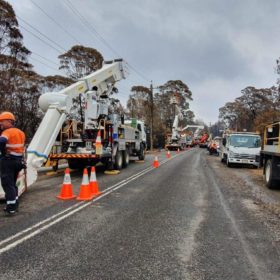
NSW to Victoria interconnector disconnected as bushfires threaten transmission
Australia’s bushfire crisis is beginning to expose a National Energy Market over-reliant on vulnerable individual elements. Does Australia’s changing environment necessitate a localised energy future?

New lithium-sulfur battery unveiled by Aussie scientists
Scientists at Monash University claim to have developed the world’s most efficient lithium-sulfur battery. They say the new device could enable an electric vehicle to drive more than 1,000km on a single charge.
‘You can’t go wrong with solar’
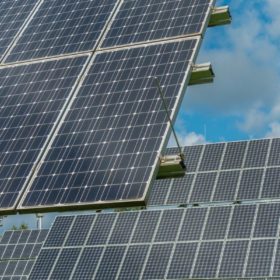
2.5 MW of solar is being deployed at three project sites in Papua New Guinea, with commercial operations likely to begin within nine months. The installations will provide power in the island province of New Ireland at lower prices, while also improving access to electricity.

Amber Electric: The year when the promise of smart grid begins to be realized at scale
As the energy landscape continues to evolve to meet the needs of the 21st century, digitalization is growing within generation, distribution and transmission. On the demand management side, Amber Electric is seeking to bring transparency to the market, passing wholesale prices directly to consumers for a $10 flat monthly fee. The Melbourne-based start-up is readying to expand its offering in 2020, as home batteries, EV chargers and other smart devices establish a firmer hold in the Australian electricity market, says Dan Adams, co-founder of Amber Electric.
A solar-powered irrigation pump with pay-as-you-go option
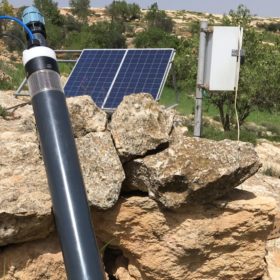
Comet-ME has developed a solar-powered submersible borehole piston pump for off-grid communities and smallholders to use for irrigation and domestic purposes. The device, compatible with PV systems from 300-900 W in size, can pump water from 45m with as little as 50 W of continuous solar power.
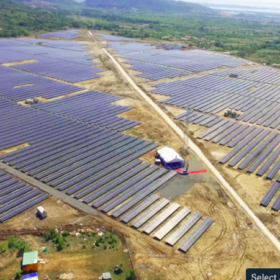
Vietnam to stop licensing large-scale solar projects
In a newly published policy document, Hanoi has urged regional governments and the country’s state-run utility, EVN, to suspend authorizations for new solar parks until further notice. Around 8.93 GW of utility-scale solar capacity is already approved for development in Vietnam, according to the Ministry of Industry and Trade.
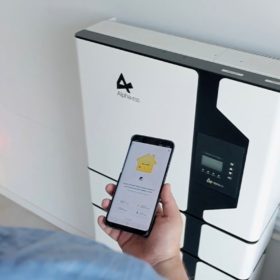
Evergen, Solar Services Group partner to drive large-scale VPP deployment
Solar and battery optimization technology provider Evergen and solar battery provider Solar Service Group have joined forces to connect thousands of residential batteries across Australia. By delivering significant benefits to consumers, the joint venture hopes to boost the uptake home batteries nation-wide.
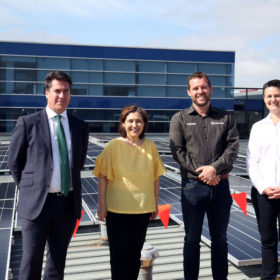
Shared solar switched on at Melbourne apartment block
A microgrid installed on an apartment block in Melbourne will provide clean and affordable electricity to 52 low-income households. It is the first site of Ovida’s Community Energy Hubs project, which will deliver shared solar PV and batteries to more multi-tenanted buildings in the city.
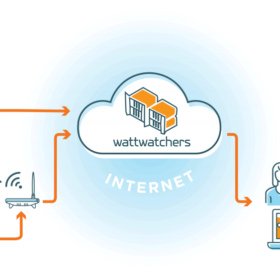
ARENA funds Wattwatchers toward more consumer empowerment
The Australian Renewable Energy Agency (ARENA) is set to fund Australian energy technology company Wattwatchers to the tune of $2.7 million. The funding will aid the development of a consumer-facing energy data hub, ‘My Energy Marketplace,’ another step forward in consumer energy empowerment.
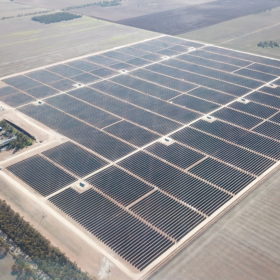
Edify Energy solar farms to use AI trading platform for energy market participation
The Australian renewables developer has deployed AMS’ AI-backed trading platform across a 438 MW portfolio of utility-scale solar farms in Queensland and Victoria. The technology will help navigate the increasing price volatility and maximize returns in the National Electricity Market.