A new spectroscopic method to understand the physical principles of organic PV
A German research team claims to have created a new visualization technique it says can enable detailed mapping of the energetic landscapes of organic PV cells on a nano scale. The technique could lead to organic cells with reduced power losses.
175 MW Finley Solar Farm reaches construction milestone
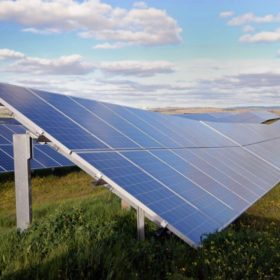
Stage 1 or an equivalent of 85 MW has been installed and tested at the Finley Solar Farm, one of the many large-scale solar developments in the Riverina region.
Stitching together the grid of the future
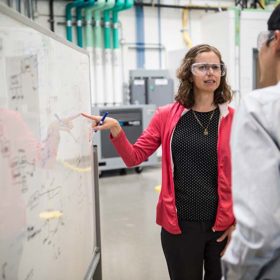
A vision of a decentralized, renewable-powered electricity grid is being brought a step closer by scientists at the U.S. National Renewable Energy Laboratory. Their project, Autonomous Energy Grids, aims to take an overarching look at the solutions that will power this grid of the future, and to fill any gaps that appear between them.
Aquavoltaics in the Philippines
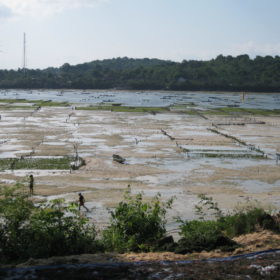
An EU funded solar-plus-storage project has been tendered in the Philippines. The United Nations is seeking bids for the system to support the seaweed industry on the island of Tawi-Tawi. Combining PV with aquaculture brings many advantages for both, including water conservation, a more controlled aquatic environment, and ecosystem restoration.
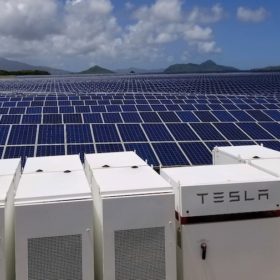
Using machine learning and cheap satellite data to design rooftop solar power
Researchers have built a tool to use cheap satellite imagery – like Google Maps – to automatically create solar designs with a 91% accuracy rate.
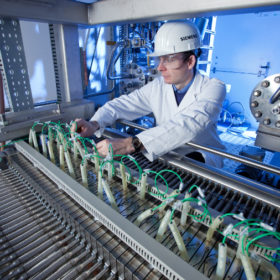
A close look at nature could lead to cheaper hydrogen
Scientists at the Australia National University have observed a key stage in the process of photosynthesis which could be copied to greatly increase the efficiency of sunlight-powered water splitting processes used to produce hydrogen.
Advanced hybrid batteries get financial shot into the arm
A technology to manufacture “honeycomb” materials for energy storage applications from priority Australian mineral resources and AI-based hybrid of lithium batteries and hydrogen fuel cells with DC loss detection system are among the winners of the funding granted in the Cooperative Research Center Program (CRC-P) latest round.
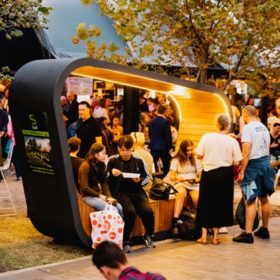
Solar-powered furniture offers off-grid connection
South Australian outdoor furniture brand Sedi has developed bespoke benches and shelter options for smart cities and regional areas.

New US study finds renewable energy storage costs need to drop 90%
Researchers in the US have published a study that brings 20 years of renewable energy (solar PV and/or wind plus storage) generation into line with historical energy-demand profiles, to ascertain at what storage cost point renewables can cost-effectively consistently meet 100% demand.
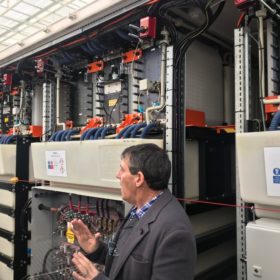
Australia’s biggest behind-the-meter energy storage officially launched
Victoria’s Monash University has unveiled the nation’s largest hybrid battery storage system as part of a microgrid that will cover 100% of power needs at its biggest campus with renewable energy.