Solar transforms NEM supply mix displacing coal
The latest figures from the Australian Energy Market Operator (AEMO) show that solar continues to eat into the share once firmly held by coal on the back of a dramatic increase in installations over the past 12 months. The trend was backed by energy storage facilities which continued to gain foothold as providers of frequency control and ancillary services, lowering overall costs in the first quarter of 2019.
How to profitably up-cycle 80 million tonnes of PV waste by 2050
New research by UNSW examines the economic barriers, the technologies and opportunities in recycling end-of-life silicon photovoltaic modules for profit.
Labor to connect 4,000 schools into VPPs in $1 billion solar program
Federal Labor has pledged to roll out solar PV and batteries at schools across Australia and create virtual power plants supporting up to 365 MW of capacity.
Simply Energy expands list of eligible batteries for South Australian VPP
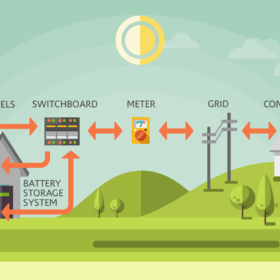
The first virtual power plant to be announced since the last year’s launch of the Home Battery Scheme in South Australia is picking up the pace with the addition of Eguana Technologies’ Evolve to the list of eligible energy storage systems.
California is learning to trust 100% residential solar power
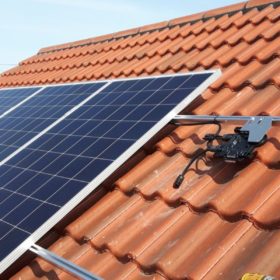
California utility PG&E has tested levels of residential solar power up to 100% penetration, and how to mitigate the effects of voltage and thermal overload via smart inverters and traditional transformer and circuit upgrades — with smart inverters shown to allow for up to 100% penetration at cost-effective pricing.
Carnegie gets $5 million lifeline, bids for liquidated microgrid arm EMC revealed
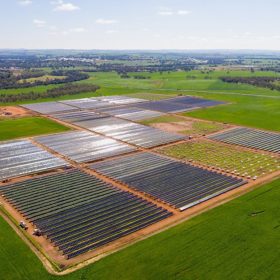
Following Carnegie Clean Energy’s voluntary administration, the administrators have revealed the bids its solar microgrid arm managed to attract. Meanwhile, a plan to restructure the company’s core wave power business has been approved by creditors, along with a decision to liquidate the EMC business.

UNSW is developing Australia’s first large-scale hybrid storage system
The University of New South Wales (UNSW), the birthplace of pioneering PV technologies, is now developing another innovative solution: a large-scale hybrid energy storage that will combine lithium-ion batteries and hydrogen fuel cells. The first system will be installed at Risen Energy’s 121 MW Yarranlea Solar Farm in Queensland.
Five-minute forecast a win for solar energy industry
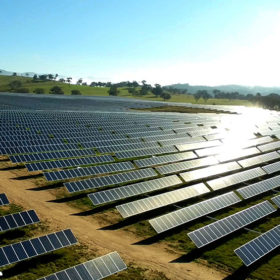
Australian researchers are developing short-term weather forecasts for solar farms to help them precisely predict output as little as five minutes in advance.
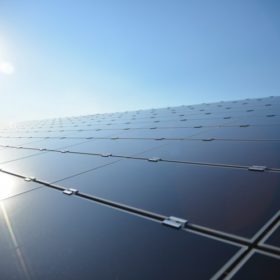
Energy platform connects small solar farms with buyers
An online platform to connect medium to small-scale solar energy producers with independent electricity buyers will launch in the coming months in South Australia.
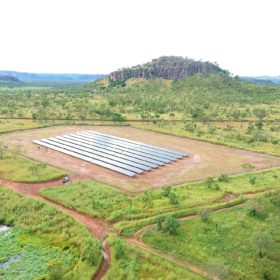
Northern Territory rolls out 10 MW of PV to power remote communities
Construction has been completed on the Solar Energy Transformation Program (SETuP), which has been touted as Australia’s largest rollout of solar power to remote communities to date.