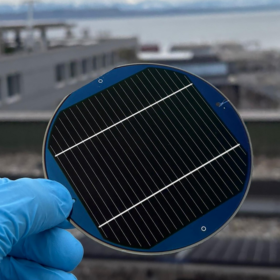
Trina Solar achieves 25.5% efficiency in n-type TOPCon solar cell
The result was confirmed by the National Institute of Metrology of China. It was achieved with a cell size of 210x210mm.
Ukraine invasion reshaping discussion about energy, pricing, renewables
Indra Overland, the head of the Center for Energy Research at the Norwegian Institute for International Affairs, tells pv magazine how the Ukraine war is irreversibly changing the global energy landscape, making massive renewables deployment a certainty. But labor issues, equipment shortages, and reliance on Chinese manufacturing remain obstacles.
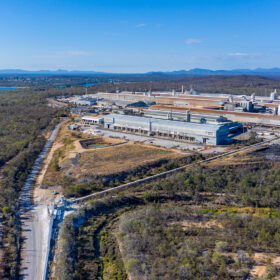
Queensland company promises to turn noxious weeds into ‘green coal’
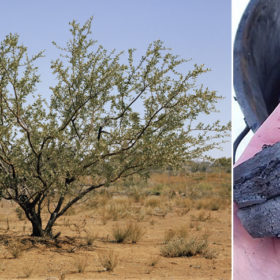
Queensland company Green Day Energy has begun trialling its proposition to convert the invasive weeds species, prickly acacia, to biomass for the purpose of generating electricity, biochar and hydrogen.
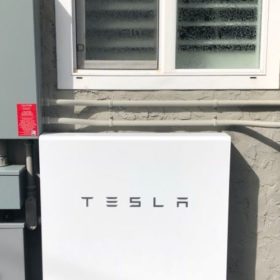
Tesla increases Powerwall prices, again
Tesla has increased the price of its Powerwall solar battery system by almost a grand, taking the total – before installation – to $13,700.
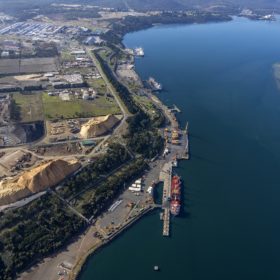
Brisbane startup aims to have green hydrogen plant in Bell Bay Tasmania producing by January
Queensland-based company Line Hydrogen is launching its inaugural $100 million green hydrogen project in the growing hub of Bell Bay in Tasmania’s north. With a solar offtake agreement in place, the startup is aiming to be in production within a year.

Australia plans to be a big green hydrogen exporter to Asian markets – but they don’t need it
Australia is vying to become a major green hydrogen export industry, particularly in the Asia Pacific, but new research from the Australian National University suggests the opportunity may be overstated.

Stimulus for green hydrogen demand crucial for the energy transition
The Berlin Energy Transition Dialogue 2022 event has shown the centrality of renewables and green hydrogen in the world’s future energy landscape. pv magazine spoke with the General Director of the International Renewable Energy Agency, Francesco La Camera, about the difficulties of creating a hydrogen economy in the absence of demand. According to him, public support and policies will be crucial to overcoming this challenge.
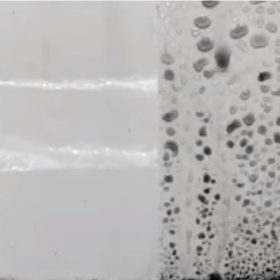
French consortium develops self-cleaning solar module coating
French chemical company Axcentive and solar module manufacturer Photowatt have developed a PV panel coating based on photoactive nanotechnology. The coating relies on a super-hydrophilic surface that makes the water spread out on the module surface immediately, thus avoiding light scattering effects upon rain.

Weekend read: The pieces that make China’s PV puzzle
Last year was a disappointing period for China’s PV industry, as high module prices restrained domestic demand and the ongoing pandemic continued to cause upheaval. This year looks more promising, even though the pieces of China’s PV puzzle have yet to fall into place. But sorting through them allows for a better understanding of the world’s largest PV market, reports Vincent Shaw, pv magazine’s China correspondent.
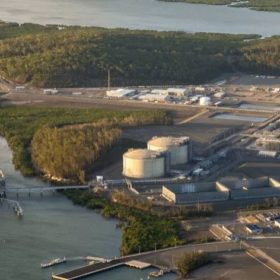
Morrison government’s $50 million gas handout undermines climate targets and does nothing to improve energy security
Tuesday night’s federal budget confirmed the Morrison government will spend $50.3 million on gas projects in the Northern Territory, South Australia and the east coast.