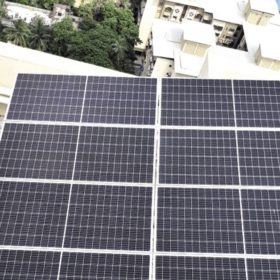
Sunday read: Up to code for decarbonisation
The International Energy Agency predicts that India will record the world’s fastest growth in energy consumption from buildings through 2040. The energy demand could create a big market for solar installers and equipment providers, particularly in the commercial and industrial sector. While building codes now include provisions for renewable energy integration, effective implementation will be key to ensuring compliance, reports Uma Gupta.
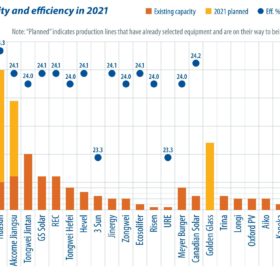
Saturday read: Looking past PERC
While the adoption of large-format wafers has driven a wave of capacity expansion for PERC, existing manufacturers and new entrants continue to evaluate TOPCon and HJT. An increasing number of HJT pilot lines and gigawatt-scale capacity expansion projects are appearing, as manufacturers see the advantages of fewer process steps, higher efficiency ratings, and better yield rates. The localisation of equipment is also a driving factor. PV InfoLink’s Derek Zhao offers an update on the latest developments and process routes for HJT.
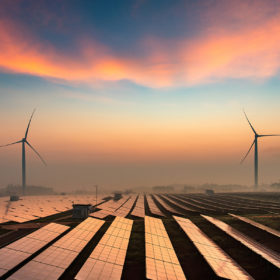
6 GW green hydrogen project powered by solar and wind proposed for SA
Kallis Energy Investments is proposing a whopping 6 GW renewable hydrogen project in South Australia, with founder Terry Kallis telling pv magazine Australia the project will not seek to connect its 3 GW of planned solar and wind assets to the already congested grid.
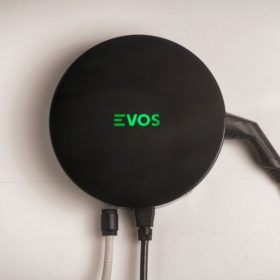
Brisbane startup unveils first Australian-made home EV charger
Brisbane-based startup Evos has unveiled its first electric vehicle charger, boasting simple installation and transportability as well as the company’s own energy management software. The charger will be available from next month.
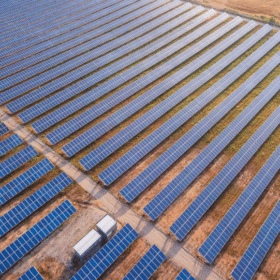
Three solar farms in NSW reach financial close
Greek company Mytilineos has reached financial close on all three of its 40 MWp solar farms in New South Wales, marking an important milestone in the company’s strategic move into the Australian market.
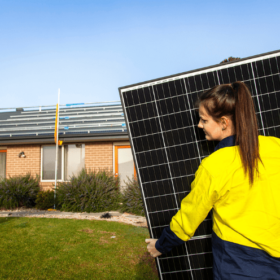
Victorian Solar Homes program reaches 1 GW of energy capacity
After a controversial beginning, the Victorian Solar Homes Program recovered and is now setting new records. From the early days when solar installers were forced to protest due to the unintended effects of the policy’s first iteration, to today when more than 165,000 homes have solar as a result of the program, it is fair to say that Victoria is headed into a bright summer.
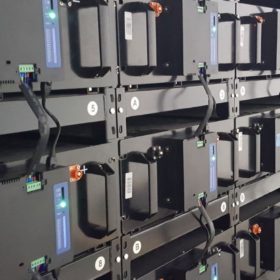
The energy storage decade has arrived, says BNEF
BloombergNEF says falling battery costs and “surging” renewables penetration make energy storage a “compelling flexible resource in many power systems.” Australia is among the predicted top markets.
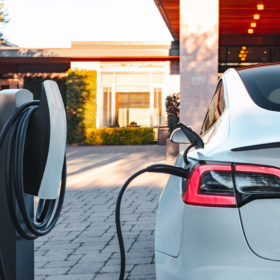
Queensland researchers examine ability of EVs to support grid
Researchers at the University of Queensland will conduct an international trial to assess if the spare battery capacity in electric vehicles could be used to accelerate the rollout of renewable energy, support the electricity network, and potentially power homes in the future.
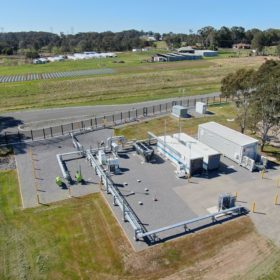
NSW first as Western Sydney green hydrogen plant starts up
In a major milestone for New South Wales, green hydrogen is now being injected into the state’s gas network for the first time with energy infrastructure company Jemena confirming its $15 million Western Sydney Green Hydrogen Hub has started making the zero-emissions fuel available for home, business and transport use.

Japan provides backing for South Australian hydrogen project
South Australia’s nascent green hydrogen industry has attracted financial support from the Japanese Government which has awarded funding to the Marubeni Corporation which is planning to export the zero-emissions fuel produced using large-scale wind and solar energy in the state to the Indo-Pacific region.