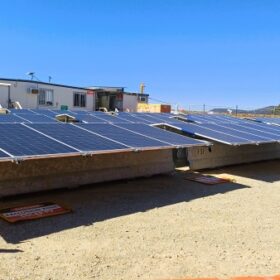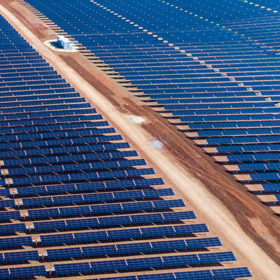
Australia could add 4 GW of rooftop solar this year
The head of the nation’s Smart Energy Council told an event organised by the Global Solar Council, that landmark could be achieved even amid Covid-19 restrictions.
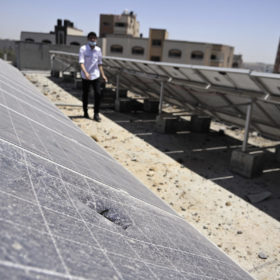
Sunday read: Solar in Gaza, PV resilience under fire
The Gaza Strip, one of the most densely populated areas in the world, is embracing solar energy as a reliable local energy source. However, its 2 million residents still only have access to electricity for just a few hours per day. Amjad Khashmann reports on damages to installed PV systems and the urgent need for new installations to support education, water, and health care.
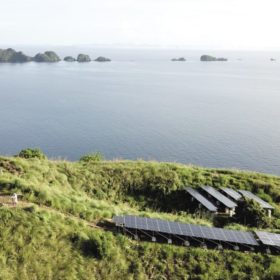
Saturday read: Southeast Asian solar markets emerging from the back of the pack
Southeast Asia could well become the global engine room of renewable energy expansion. Population and economic growth is expected across the three decades in which the world has to decarbonise, but the brimming bounty of renewables deployment will force developers to navigate the region’s systems. As it turns out, that could be a treacherous task.
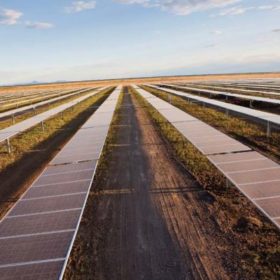
600 MW solar+battery project gets NSW government go-ahead
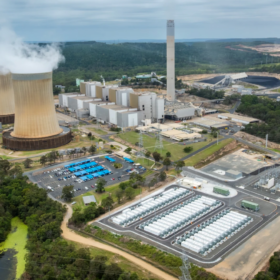
A massive solar+storage project in the New South Wales Central West tablelands has received the tick of approval from the state’s Department of Planning and Environment with construction likely to commence on the $418 million Stubbo Solar Farm in 2022.
Deciding our distributed energy future
The debate around the regulatory reform of distributed energy resources will help decide the future direction of Australia’s electricity system.
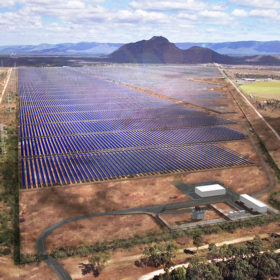
Machine learning forecast tool tipped to improve grid stability
Researchers from Melbourne’s Monash University have unveiled new machine learning technology which has already delivered a 45% improvement in the precision of power output forecasts at large-scale wind and solar farms and could potentially pave the way for increased renewable energy penetration in the grid.
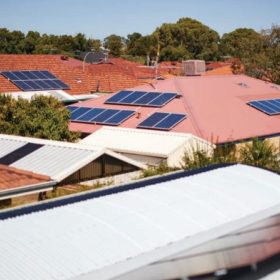
Rooftop solar rollout sparks update of WA energy plan
With 1 MW of rooftop solar entering the Western Australian energy system each week the state government has announced a multi-million dollar package which will allow for an update of its grid transition strategy which aims to accommodate a rapid shift to renewable energy.
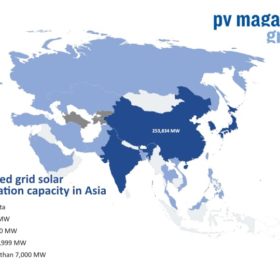
China to add 619 GW of solar this decade
Indonesia will catch the eye too over the next nine years, according to Wood Mackenzie analysts, as its market grows from 300 MW to 8.5 GW.
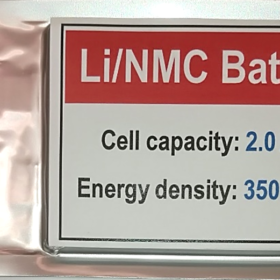
New battery chemistry tweak could double EV range
Researchers at the Pacific Northwest National Laboratory have developed a revolutionary lithium-metal battery chemistry that could allow electric vehicle batteries to almost double their capacity, while also overcoming historic setbacks.
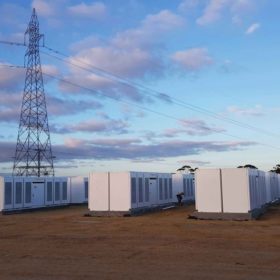
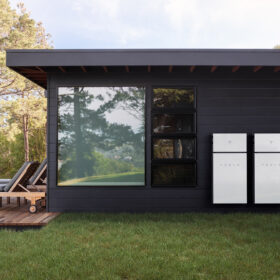
New AEMC reforms provide boost for battery storage
The Australian Energy Market Commission has unveiled new rules designed to better integrate both small and large-scale batteries into the National Electricity Market and provide financial rewards for market participants who can respond at lightning-quick speeds to provide stability when the grid is under stress.