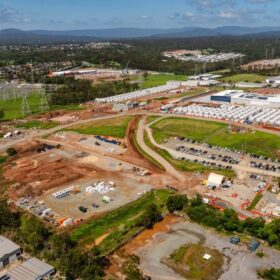
Solar could hold advantage in post-pandemic global energy sector
The International Energy Agency has acknowledged dramatic falls in energy investment caused by the Covid-19 crisis but said renewables, including PV, offered an attractive proposition to investors as the dust settled, given their enticing economics and short turnaround times.
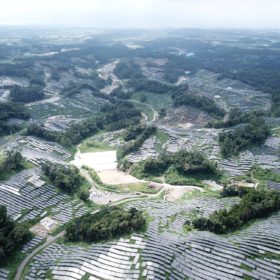
Japanese golf course becomes 100 MW solar park
A new 100 MWp solar power plant supplied with Kyocera solar modules has begun operation in Japan’s Kagoshima Prefecture. Operated by the Kyocera-backed Kanoya Osaki Solar Hills LLC joint venture, the plant is one of the largest PV facilities on the island of Kyushu. Venture partner Tokyo Century arranged financing for the project with 17 regional banks.
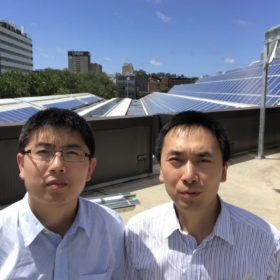
Solar forecasting evolves
Accurate self-forecasting of yield from renewable energy generators is set to help AEMO manage incoming resources. PVMaster, brings a unique experience to the field of foreseeing the next five minutes in solar production.

MagniX electric aircraft engines take to the skies
No emissions, low-cost regional flights with just eight other sanitised folk and a disinfected pilot… Yes, Covid-19 is warping our view of the future, but the successful electrically powered maiden flight last week of a Cessna Caravan aircraft, offers the potential for new models of travel supporting wider distribution of commerce in Australia.

Extreme weather and electricity reliability: Resilience is key
New research by digital services company, Accenture, finds global energy-utility executives feeling underprepared for the increasing frequency of extreme weather events caused by climate change. It’s time to expand the definition of reliability.
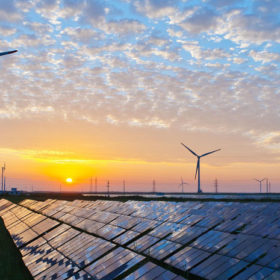
Really Australia, it’s not that hard: 10 reasons why renewable energy is the future
Australia’s latest greenhouse gas figures released on Friday show national emissions fell slightly last year. This was by no means an economy-wide effort – solar and wind energy did most of the heavy lifting.

Malaysia launches 1 GW solar tender
Sunday will herald the largest PV procurement exercise ever held in Malaysia. Half the available capacity will be directed to 10-30 MW facilities with the balance reserved for plants with capacities of up to 50 MW.
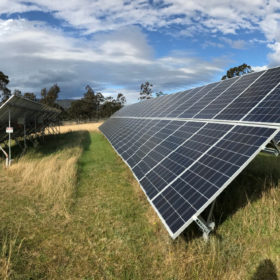
Photon Energy secures financing for two merchant solar plants in NSW
The two solar plants with a combined capacity of 14 MWp will represent the first Australian utility-scale PV projects in Photon Energy’s independent power producer (IPP) portfolio.

Renewable energy in the US surpassed coal for first time in more than a century
The coal era is officially over in the United States. Not since 1885, when coal replaced wood, have renewables taken the lead.
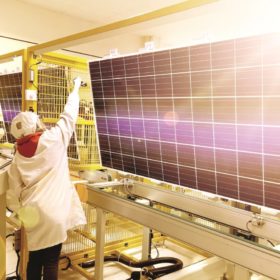
Canadian Solar sees turnover and profits surge
The Chinese-Canadian solar manufacturer reported a 41% year-over-year increase in total module shipments to 2.2 GW in the first quarter. Revenue grew by 70% to $826 million, while net profit improved significantly from $17.2 million to $110.6 million.