World’s first solar-powered passenger car on roads next year
A Dutch start-up has designed an electric vehicle that runs solely on solar energy, and aims to deliver its first models next year. The car will also be available to lease.
ShineHub selects Hanwha Q Cells for its lease-to-own model in SA
Solar ‘lease-to-own’ installer ShineHub has chosen Hanwha Q Cells as preferred solar panel provider for its Community Solar Program under the South Australian battery scheme.
Neometals commissions li-ion battery recycling pilot plant
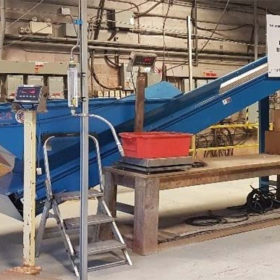
Australian lithium developer Neometals has taken its lithium‐ion battery recycling technology to the floor at a pilot plant in Canada. SGS Canada has been contracted to construct and operate the pilot at its Lakefield facility, and handle both the front-end feed preparation and hydrometallurgical processing/refining stages.
CEDA calls for strong government policy “in areas we can control”
The Committee for Economic Development of Australia (CEDA) has released its 2019 Economic and Political Overview, calling for “durable policy in energy and climate change” in a year it says will be wracked by economic uncertainties.

Vietnam mulls multi-layered FIT scheme as it kicks energy transition into gear
With its feed-in tariff set to expire at the end of June, Vietnam is considering different levels of payment, classified across three irradiation regions and involving four solar technologies. Future payments would range from $0.0659-0.0985/kWh, with the cloudy north in line for the highest tariffs and with the government likely to revise tariffs for new projects every two years.
Redflow batteries power remote Thai village
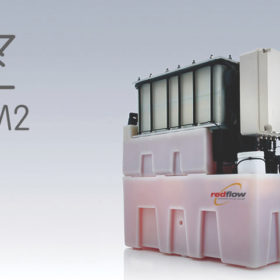
The Brisbane-based battery supplier has deployed 10 of its zinc-bromine flow batteries coupled with three li-ion batteries to store solar generated power in a far-flung village in northern Thailand.

India eyes South America’s lithium reserves for battery manufacturing
As India plans to set up large lithium-ion battery plants, the Lithium Triangle countries in South America (comprising Chile, Argentina and Bolivia) have offered to meet India’s growing demand for lithium.
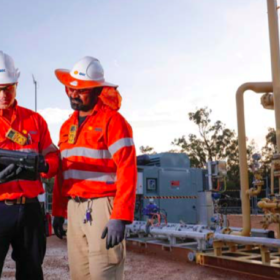
Shell unveils 120 MW Queensland PV project, to supply QGC onshore gas operations
Shell Australia has “well advanced” plans for a 120 MW utility scale PV array to supply its QGC onshore gas operations in northern Queensland. The announcement was made Shell Australia Chairman Zoe Yujnovich during a speech today, in which she pointed to an Australian “energy transition” in which “electrons will play a bigger role”.
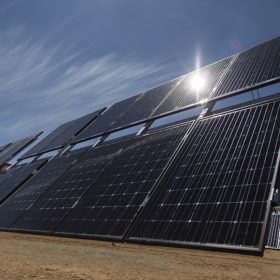
New model for calculating bifacial boost
Belgian research institute imec has developed a new simulation framework it says can calculate the expected output of a bifacial PV system. The model could help improve developer understanding of the best system configurations for bifacial, and foster confidence among investors by providing a precise prediction of energy yields.
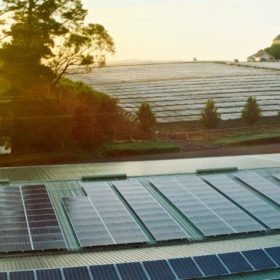
EnergyAustralia to help charities slash power bills with solar+storage
Backed by an estimated $15 million raised from the sale of renewable energy certificates, EnergyAustralia will install free solar PV and battery systems for participating charitable organizations, with the goal to connect them into a virtual power plant and slash their electricity bills by as much as 50%.