Queensland coal trips boosting solar’s sunset revenue
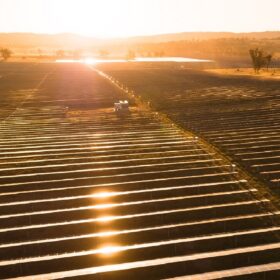
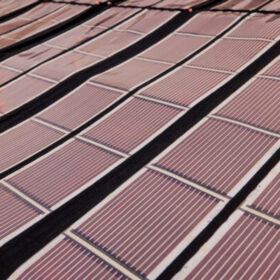
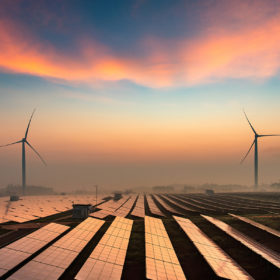
Increased demand and continual outages at gas and coal power plants in Queensland have seen a rise in the occurrence of extreme price spikes. The timing of these spikes, typically at peak hours between 5pm and 8pm, are seeing solar revenues soar just as the sun is setting.
Mapping Australia’s battery mineral waste ‘gold mine’
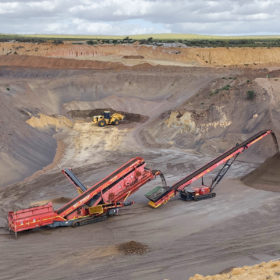
To encourage industry to consider the battery mineral opportunities currently sitting in neglected heaps around the country, Geoscience Australia and its partners are developing an Atlas of Australian Mine Waste. The public database hopes to highlight the opportunity in reprocessing mining waste for new markets.
10 GW Desert Bloom green hydrogen project attracts major Japanese partner
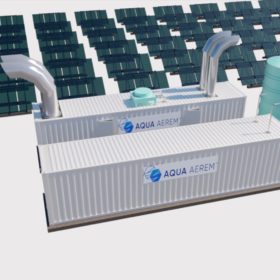
Water-from-air technology company Aqua Aerem’s Desert Bloom green hydrogen project received Major Project Status from the Northern Territory Government last year, now it has announced a partnership with Japanese energy giant Osaka Gas which not only brings the 10GW project closer to reality, but has also seen the company boost its ambitions to 20GW in light of “quickly developing demand.”
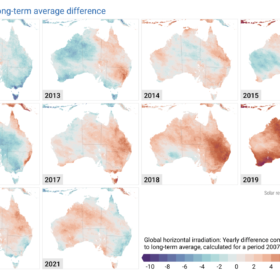
Australia’s increasingly turbulent irradiance laid bare in decade of mapping
Solar data company Solargis has released 10-year solar performance maps showing Australia’s massive variations in irradiance and the impacts of extreme weather patterns and events.
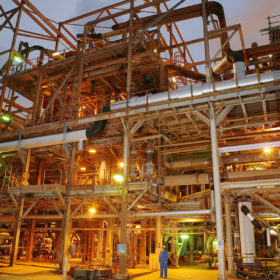
Green alumina processing pilot in WA receives major backing from ARENA
Western Australia’s Pinjarra alumina refinery, run by US giant Alcoa and Alumina Ltd, has been granted $8.6 million to test electric calcination, a process which could significantly reduce refineries’ footprints. The grants awarded add up to almost half of the pilot’s costs.
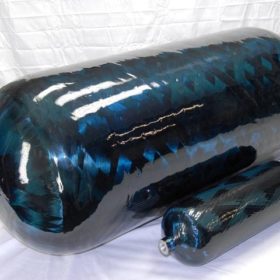
Australia’s first hydrogen storage tank manufacturing facility in planning, enabled through US partnership
Sydney company CST Composites is seeking to establish Australia’s first hydrogen vessel manufacturing facility, looking to secure its position in the rapidly growing industry through a joint venture with a US-based hydrogen storage tank manufacturer.
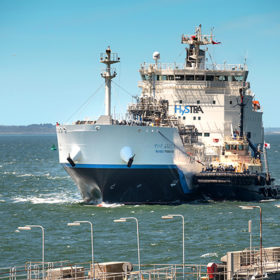
Celebrated inaugural hydrogen shipment now under investigation
Hailed as a landmark for Australia’s vision of becoming a global hydrogen exporter, the Suiso Frontier’s first shipment of liquid hydrogen from Australia is now under investigation after a flame was seen coming from the gas combustion unit’s exhaust on deck.
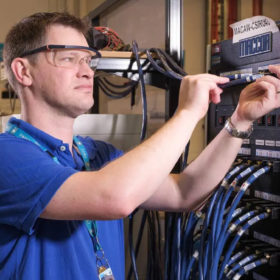
CSIRO to invest $50 million in storage tech of tomorrow
The CSIRO will invest $50 million in four new programs to drive critical breakthroughs in electric vehicle batteries and creating storage solution which could “mimic pumped hydro.”
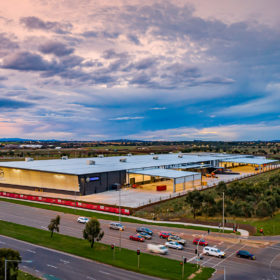
Mazda’s Melbourne facility fitted with 900kW solar system, reaching 100% carbon neutral energy use
Mazda Australia’s car part distribution centre in Melbourne has been fitted with a 900kW rooftop solar installation which is contributing to the centre, owned by Fraser Property Australia, now being 100% powered by carbon neutral energy.
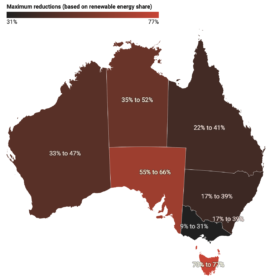
How climate-friendly is an electric car? It all comes down to where you live
If you’re thinking about buying an electric vehicle, whether due to soaring fuel prices or to lower your greenhouse gas emissions, where you live can make a huge difference to how climate-friendly your car is.