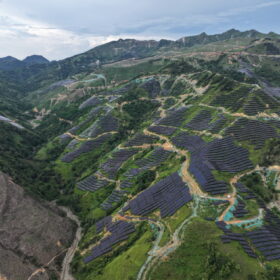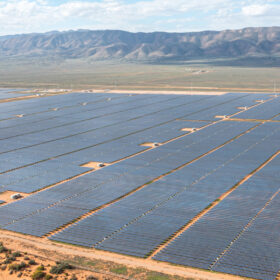
Japan’s Inpex secures 50% share in Enel’s Australian solar portfolio
Japanese oil and gas giant Inpex has struck a deal to buy 50% of Italian utilities giant Enel Group’s Australian renewable energy platform, Enel Green Power Australia, handing it joint control of a solar farms portfolio that includes 254 MW of installed capacity and another 170 MW of renewables under construction.
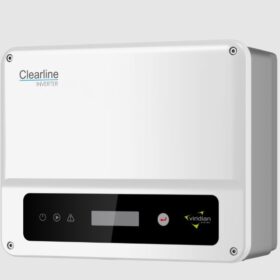
Viridian Solar presents new residential inverters
Viridian offers five versions of its new residential inverters, with power outputs ranging from 1 kW to 3 kW and an efficiency ranging from 97.2% and 97.6%. The European efficiency is 96.4% to 97.2%.
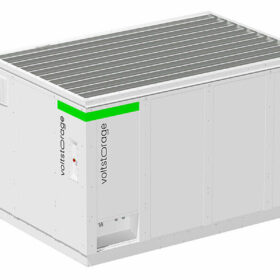
VoltStorage unveils vanadium redox flow battery for commercial use
Germany battery manufacturer VoltStorage has unveiled a containerised 50 kWh vanadium redox flow battery that is designed to optimise self-consumption in commercial and industrial PV systems.
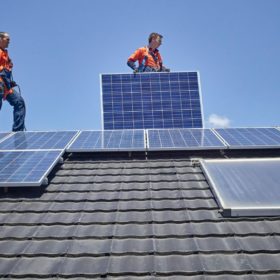
New app to calculate payback periods of rooftop PV systems
The Amortisator app, initially developed for the German market, is now available on the Apple and Google Play stores. Primarily targeting customer advisors, the app can be accessed for a monthly fee of €9.99 ($10.93).
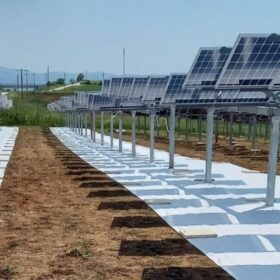
Membrane boosts bifacial solar module yield by 6.4%
German renewables developer Solar Kapital has deployed membranes at three of its utility scale PV plants in Greece and claims the technology has delivered an up to 6.4% increase in yield and the payback time of the new solution is relatively short.
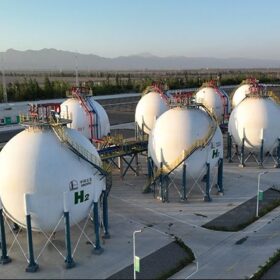
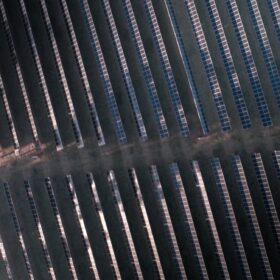
The Hydrogen Stream: China starts world’s biggest solar-to-hydrogen site
China’s Sinopec has switched on the world’s largest solar-to-hydrogen project in Xinjiang, while India has unveiled a new plan to incentivize green hydrogen and electrolyzer production.
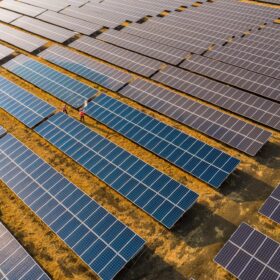
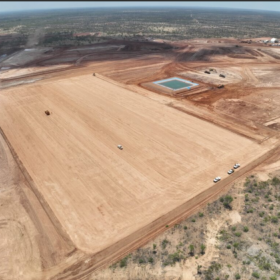
TotalEnergies, Gentari to co-develop 100 MW Queensland solar farm
French oil and gas supermajor TotalEnergies has signed an agreement with Gentari Renewables, the clean energy arm of Malaysia’s state-owned oil company Petronas, to jointly develop a 100 MW solar farm in southwest Queensland.
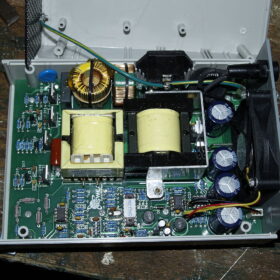
Impact of solar module soiling on grid-forming inverters
New research from Serbia claims air-polluted urban climatic conditions may not only induce maximum power point (MPP) tracking problems in PV systems but also reduce power yield by up to 30%. The scientists also said that soiling may significantly affect the functionality of single-stage inverters operating in grid-forming mode.

Solar-driven photoreactors to generate hydrogen on rooftops
Scientists led by the Karlsruhe Institute of Technology have designed panel-like photoreactors relying on a water-splitting photocatalyst that could produce hydrogen on rooftops or dedicated solar farms. They claim the photoreactors have high economic potential because of their ‘extremely’ low costs.
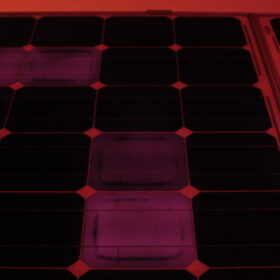
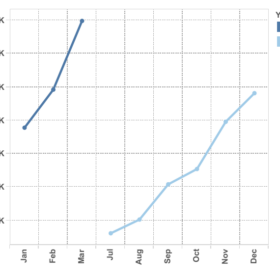
Thirty years of photovoltaic module degradation
Scientists in Europe have put together a comprehensive guide to PV module degradation, examining literature and case studies on the topic as far back as the 1990s. Their paper details the primary stress factors faced by modules in the field, the most common modes of degradation and failure, and provides clear definitions relevant to reliability, quality and testing standards. Among their key findings is that a full understanding of how combinations of different stresses over varying timeframes is still missing from methods to estimate and improve system reliability.