Sunday read: the effects of defects
Mónica LiraCantú leads a research group investigating nanostructured materials for photovoltaic energy at the Catalan Institute of Nanoscience and Nanotechnology (ICN2). Recently, her group led a project that looked deep into the crystalline structure of a perovskite solar cell, revealing new information about the formation of defects in the material and how they could be engineered to improve both efficiency and stability. pv magazine caught up with the Barcelona-based scientist to discuss the state of the art in perovskite solar cells and remaining challenges on the road to commercialisation.

Saturday read: Going full circle with battery recycling
With manufacturing ramping up year by year and policies already looking to get ahead of the large volumes of end-of-life products, the landscape for lithium-ion battery recycling is rapidly changing. pv magazine recently spoke with Mari Lundström, associate professor of chemical and metallurgical engineering at Aalto University, to find out what is needed on the research side for the effective recycling of batteries.
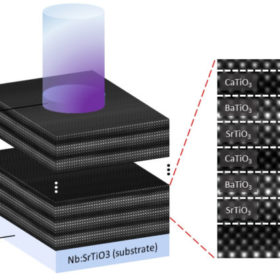
Crystal arrangement results in 1,000x more power from ferroelectric solar cells
German researchers developed a lattice arrangement of three different layers of ferroelectric crystals that created a powerful photovoltaic effect.
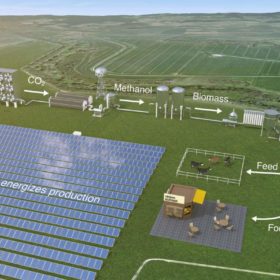
Solar-powered large scale microbial food production
Producing nutrient-rich microbes with solar PV has the potential to produce more food with fewer resources, according to a German research group that modelled the large-scale production of microbial biomass by combining ground-mounted photovoltaics, air, water, and nutrients.
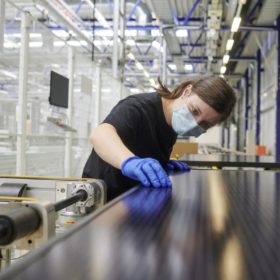
Meyer Burger plans to launch solar PV roof tiles in 2022
The Swiss group has acquired an integrated solar roof system solution from an unidentified German engineering service provider for this purpose. The aim is grow this sector from a niche market.
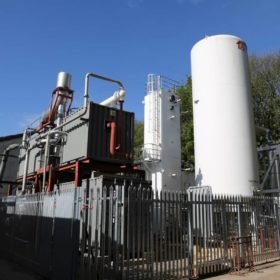
A closer look at liquid air energy storage
A British-Australian research team has assessed the potential of liquid air energy storage (LAES) for large scale application. The scientists estimate that these systems may currently be built at a cost between €300 and €600 (AU$480 to $960) per megawatt-hour and that a positive business case could be favoured by certain conditions, including a determined price structure in the energy market and the presence of a grid unable to support high levels of renewable energy penetration.
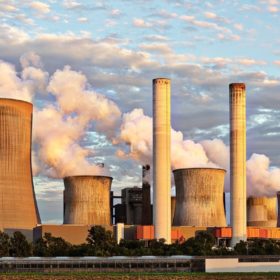
The trillions spent by G20 nations on fossil fuels from 2015 to 2019 could have paid for more than 4 TW of solar
Polluting energy sources received more than $3 trillion from the EU and 19 of the world’s largest national economies over that four-year period, despite G20 members having pledged to phase-out fossil fuel subsidy and address climate change back in 2009.
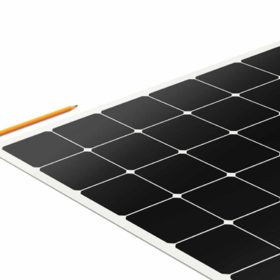
‘Stick-on’ solar panels in France secure EU funding
The TotalEnergies-controlled solar manufacturer will secure an, as yet undetermined chunk of a new €118.6 million low-carbon innovation fund to start producing its frameless, glass-free solar roofing products at Porcelette, in northeastern France.
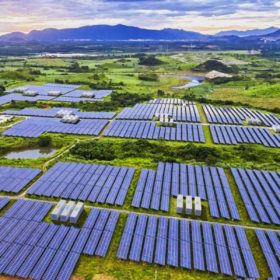
How EnergyTag plans to revamp the renewable energy certificate market with hourly timestamps
EnergyTag is an independent, non-profit, industry-led initiative that aims to accelerate the shift to carbon-free energy by defining and building a market for time-stamped renewable energy certificates. Already, corporate giants like Google and Amazon are onboard via their participation in demonstration projects in Europe and the U.S. As part of the UP Initiative’s Q3 theme on sustainable electricity supply, founder Toby Ferenczi spoke to pv magazine about the idea behind EnergyTag and how he aims to revamp the electricity market.
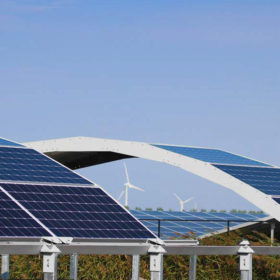
Arc-shaped PV system for agrivoltaics from Germany
The PV mounting system was developed by Germany-based Goldbeck and will initially be available in the Netherlands from 2022. The company will test the new technology in a 45 MW PV project.