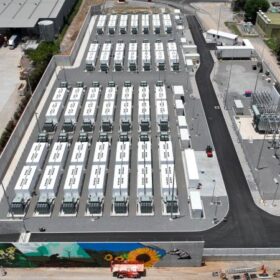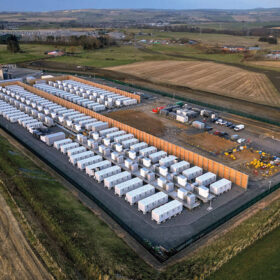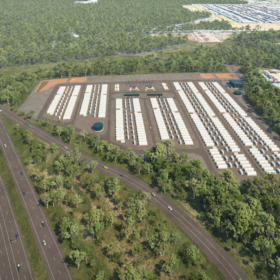
NSW Roadmap Tender 7 projects to deliver 2.1 GWh of firming capacity
The 2 GWh Tomago battery energy storage system, and a 128 MWh virtual power plant have successfully secured tenders through the NSW Roadmap Tender 7 for Firming Infrastructure.
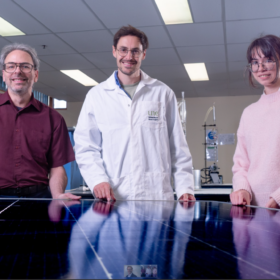
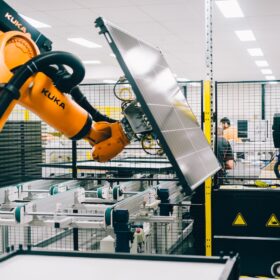
UNE accelerates silicon wafer recycling using AI computations and robotics
Researchers from the University of New England’s Australian Institute for Strategic Artificial Intelligence are using artificial intelligence and powerful supercomputers to assess potential solvents to separate silicon wafers with minimal contamination.
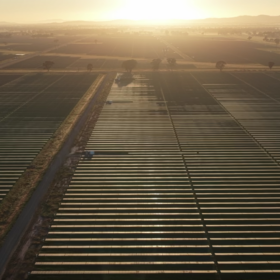
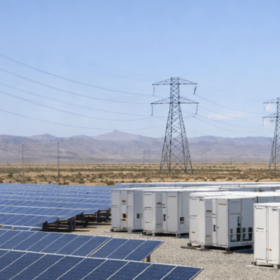
Neoen’s second-largest solar farm globally begins operation in NSW
France-headquartered grid-scale solar and battery storage system developer Neoen Australia has begun operation of its 350 MW Culcairn Solar Farm in New South Wales, one of numerous assets adding to its goal of 10 GW capacity in Australia by 2030.
NSW to prioritise critical renewable energy projects under new law
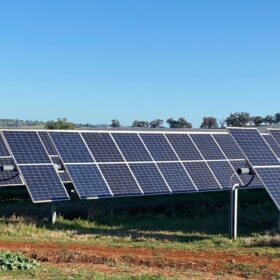
New South Wales will introduce new legislation designed to accelerate the delivery of critical solar, wind, battery energy storage, and network projects to support the state’s transition from coal-fired power to renewable energy.
Electric vehicle fleets kick-start fund closes 29 May but has $2.2 million to go
The New South Wales government’s $5 million electric vehicle fleets incentive kick-start fund allocation still has $2.2 million in the coffers, with the application date to apply closing on 29 May 2026.
Grid-scale and distributed solar break quarterly generation records: AEMO
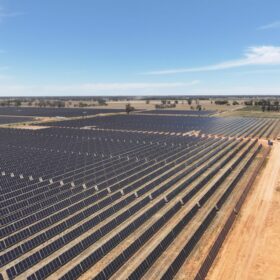
In Q1 2026, grid-scale solar generation jumped 648 MW compared to the same period in 2025, recording an all-time quarterly high of 2,706 MW output, according to new figures released by AEMO in its Quarterly Energy Dynamics Q1 2026 report.
Low-power ride-through tech keeps green hydrogen flowing in standalone PV–electrolyser
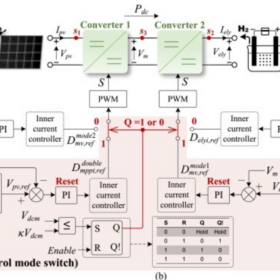
A UNSW-led research team proposed two low-power ride-through strategies for standalone PV–electrolyzer systems to maintain stability during sudden solar power fluctuations without using battery storage.
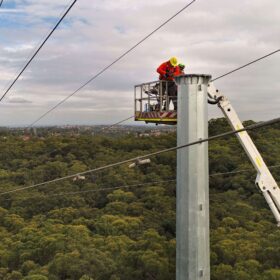
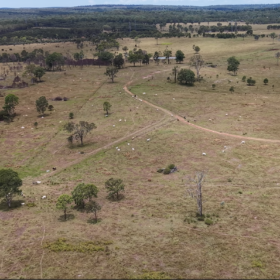
Clean energy gets thumbs up from renewable energy zone residents
Results from a poll conducted by farmer-led advocacy organisation Farmers for Climate Action, show 63% of residents living in regional Renewable Energy Zones support the shift to clean energy, and just 17% oppose.
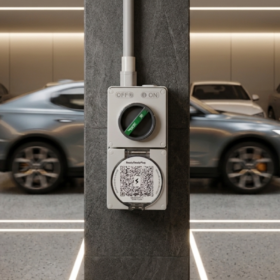
$1.5 million grant accelerates EV charger access for apartments
Electric vehicle charger designer ReadySteadyPlug has been awarded $1.5 million through ARENA’s Driving the Nation Program to help a rollout of its charging-as-a-service solution for residential apartments.
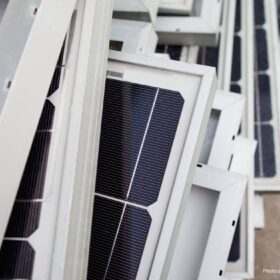
End-of-life solar panel circular economy research gets new $5 million home
Sydney researchers in partnership with industry have launched a solar panel recycling hub to improve solar panel waste circular economy technologies and resource extraction, adding another boost to Australia’s existing initiatives.