Unaccredited solar installer convicted for false claims
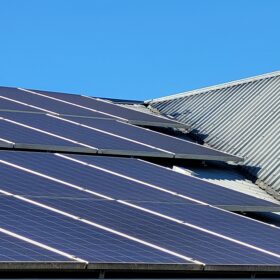
An unlicensed electrician in New South Wales has been convicted of 11 separate offences relating to fraudulent claims under the Small-scale Renewable Energy Scheme, after installing rooftop solar systems without the proper accreditation.
Sungrow battery energy storage system backs up almond farm solar array
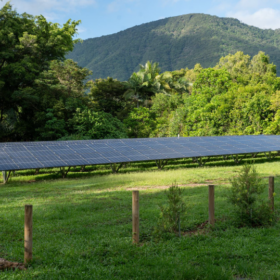
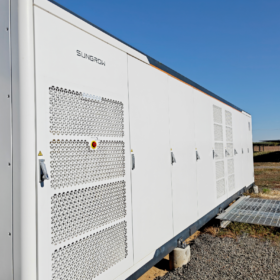
AGL Energy has included Sungrow battery energy storage system technology with a solar array in New South Wales powering an almond farm that seeks to minimise its reliance on diesel fuel or the grid.
Two utility-scale solar projects reach $130 million financial close
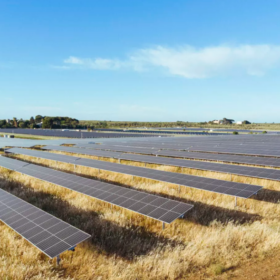
European Energy has successfully reached financial close on a long-term portfolio financing package over $130 million to support the development and construction of two utility-scale solar projects based in Victoria and New South Wales.
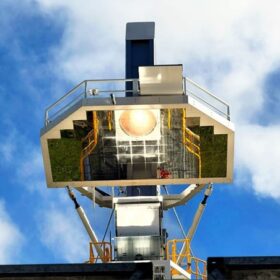
Solar-to-hydrogen efficiency boosted by CSIRO breakthrough technology
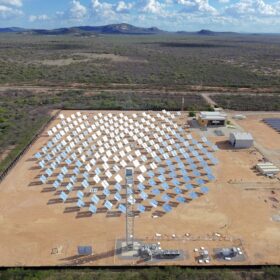
Researchers at the CSIRO have proven a new full thermochemical hydrogen production cycle – from solar input to hydrogen output – has the potential to achieve a solar-to-hydrogen efficiency of higher than 20%, 5% more than many existing systems.

Enel X launches first in 95 MW VPP solution planned for NSW
Enel X launched the first of three separate virtual power plants that will deliver a combined 95 MW capacity of demand response to help support and accelerate the renewable energy transition in New South Wales.
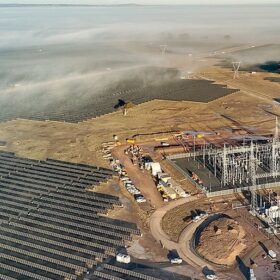
Neoen begins commissioning process for 350 MW solar plant in NSW
One of Australia’s largest solar projects has been energised with developer Neoen confirming that its 350 MW Culcairn Solar Farm in the New South Wales Riverina Murray region has entered the commissioning phase.
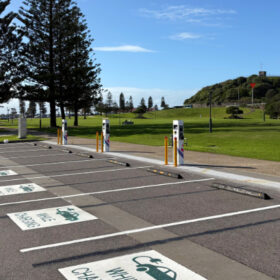
Sun-powered network keeps pace with 1,000% EV growth in four years
The installation of 34 new electric vehicle charging ports in Newcastle, powered by a council-owned solar farm, rises to meet a 1,000% surge in uptake of EVs in the city, in the past four years.
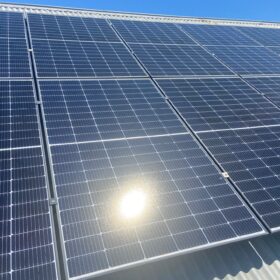
Solar electroluminescence image noise filtered by new deep learning method
University of New South Wales researchers have developed a simplified residual network-based architecture method to filter out noise from electroluminescence images of solar modules.

Report reveals Sydney potential for 21 GW renewable energy zone
A new report calls for mandated solar installations on all new residential and industrial buildings in Sydney to help transform the city into an urban renewable energy zone capable of generating three quarters of its annual energy needs.
NSW pairs increased VPP incentive with national battery rebate
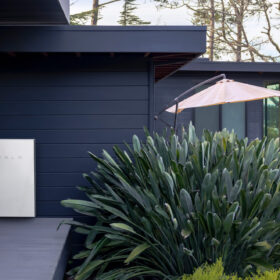
The New South Wales government has ended its home battery installation rebate, announcing it will instead provide up to $1,500 to households and small businesses that install a battery energy storage system and connect it to a virtual power plant.