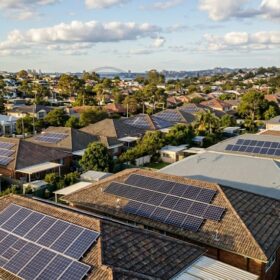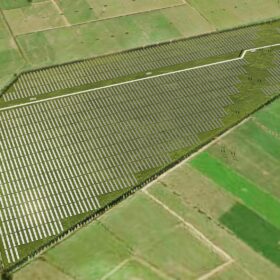
New Zealand’s largest utility-scale solar project starts generating power
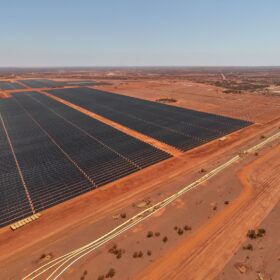
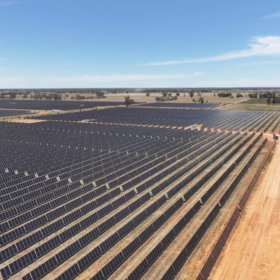
Lodestone Energy has started generating electricity at its solar farm in Kaitaia, New Zealand’s largest solar farm and first utility scale solar installation to date.
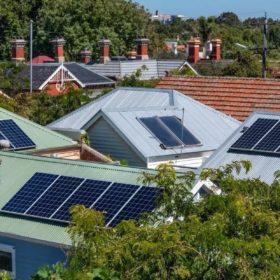
The extraordinary story of rooftop solar in Australia’s National Electricity Market
The sun is shining, the weather is sweet. In this Opinion and Analysis piece, Lumi Adisa, Director of Energy Market Analytics at NEOM and ex-Investment Director of Energy Markets at Octopus Investments Australia, presents a deep dive into the unprecedented impact of rooftop solar in the NEM. As rooftop solar continues to drive changes in the intraday demand and price trends, it is evident that customers will remain a significant part of the energy transition for years to come.
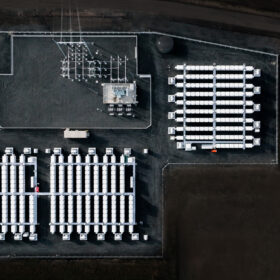
More battery projects approved in Victoria
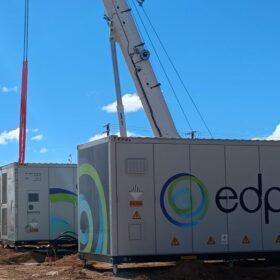
Planning permits have been granted to two large battery projects by Victoria’s planning department: the existing Elaine Battery Energy Storage System (BESS) by Akaysha Energy has been approved for expansion at its four-hour energy battery, and Flow Energy’s BESS project at Bennett’s Creek that will further transform the former coal country into a hub for 24/7 renewable energy.
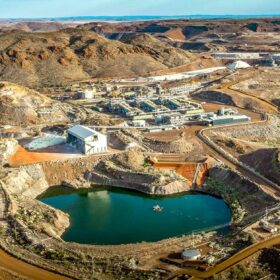
Fire at WA lithium mine sees production suspended
A fire at one of Australia’s biggest lithium mines has left it unable to process ore for the past days. The fire at Mineral Resources’ Wodgina mine in Western Australia has since been brought under control and the company says shipping will not be impacted.
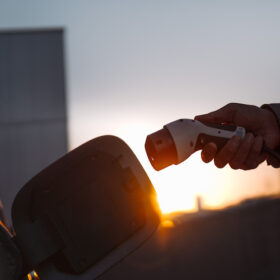
Victorian EV owners to receive road-user charge refunds, including interest
The Victorian government will repay, with interest, electric vehicle owners who paid a road-user charge later deemed unconstitutional by Victoria’s High Court.
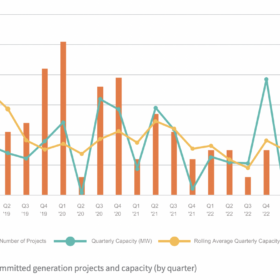
‘Worst’ year for investment in Australia’s large-scale segment, report finds
Investment in Australia’s renewable energy sector is more than 10 times lower than where it should be to reach 2030 targets, according to the Clean Energy Council calculations. Australia’s “sluggish” large-scale segment is the result of a confluence of issues, and illustrates the urgent need for the federal government’s newly supercharged Capacity Investment Scheme.

Renewables helping China to halve power prices compared to Australia, Europe
Wood Mackenzie says in a new report that China could install 230 GW of PV and wind capacity and export more than 200 GW of solar panels in 2023. Unlike Europe and United States, the country is avoiding the high curtailment of PV and wind.

Adaptation to climate change is a vital discussion we need to have
While mitigation remains the best strategy, Amy Steel argues it is now vital to start having frank discussions around climate adaption.
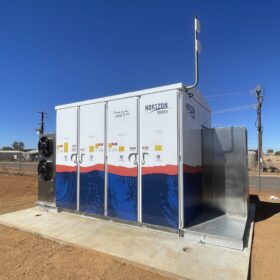
Another WA town transitions to solar and batteries
Cue, a town in Western Australia’s midwest, has installed 259 kW of solar and a 336 kWh battery system to wean itself off diesel. The installation is part of Horizon Power’s Midwest Solar Program and belongs within a much larger state-wide transformation.
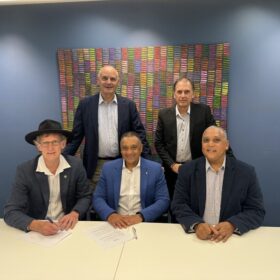
Sunshine Hydro signs 20% First Nations equity deal on flagship Queensland project
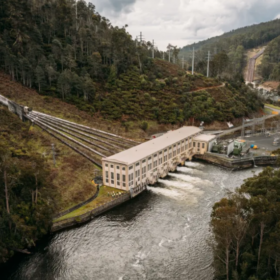
Sunshine Hydro and project partner Energy Estate have signed an agreement to give First Nations stakeholders a 20% equity option in the companies’ Djandori Gung-i Superhybrid project at Miriam Vale, Queensland. The project proposes to deliver up to 600 MW of pumped hydro capacity and up to 300 MW of hydrogen electrolysers.