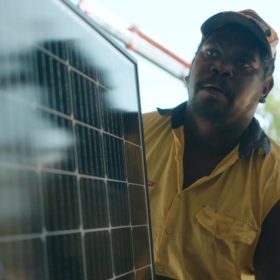
Weekend read: Power to be heard
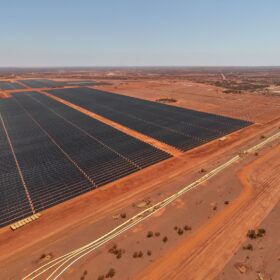
The wide-open spaces of the Australian outback make it ripe for solar development, but doing so without the true inclusion of Indigenous communities may repeat the mistakes made by resource extraction companies in the past. However, Indigenous-led companies and an innovative new initiative are looking to put power and ownership into the hands of the land’s traditional owners, reports pv magazine Australia’s Bella Peacock.
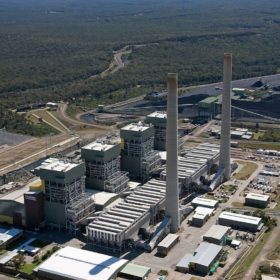
Eraring early closure sparks calls for co-ordinated approach
Origin Energy’s announcement that it is accelerating the closure of Australia’s largest coal-fired power station has triggered calls for the Federal Government to develop a nationally co-ordinated approach to manage the retirement of fossil fuel generation as well as support investment in new clean energy generation.
UK fund manager backs NT venture to generate $50 billion
The Australian arm of UK-based global fund manager Octopus Group has announced it will partner with Indigenous communities on plans for renewable energy projects it says could attract investments of as much as $50 billion over the next decade.

CEFC gives green light for specialist fund manager
The Australian government’s green bank has announced the launch of its first specialist fund manager as it looks to increase the amount of investment capital available for clean energy start-ups that can help achieve net zero emissions.
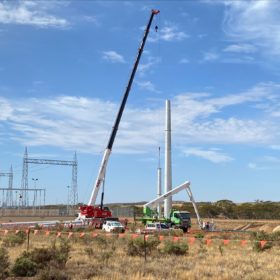
ElectraNet announces ‘major’ milestone for interstate transmission project
Major construction work on the first new electricity interconnector to be built between Australian states in 15 years has commenced with transmission company ElectraNet confirming work has begun on the South Australian section of the $2.3 billion Project EnergyConnect which will link power grids across three states, potentially unlocking gigawatts of renewable energy projects in its path.
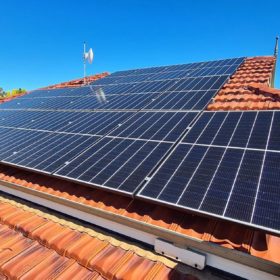
Infinite Energy pulls plug on rooftop solar and battery business
One of Australia’s largest residential and commercial solar PV retailers and installers has announced it will exit the market, declaring low margins and once-in-a-generation disruptions to the supply chain brought on by the Covid-19 pandemic have taken a toll.
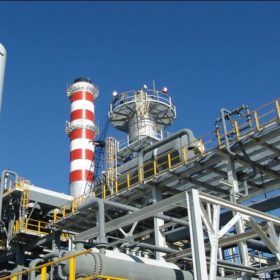
Australian duo make shortlist for 600MW NZ green hydrogen project
Two of Australia’s most prominent energy players, Fortescue Future Industries and oil and gas giant Woodside Energy have been included on a shortlist of potential development partners for a proposed 600MW green hydrogen production and export facility planned for New Zealand’s South Island.
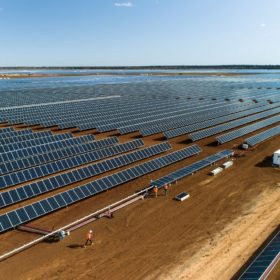
Investors float 40GW of renewable energy projects for Hunter-Central Coast REZ
Renewable energy investors have again shattered the New South Wales Government’s expectations with more than 80 clean energy projects representing more than $100 billion of potential investment registering for the Hunter-Central Coast Renewable Energy Zone.

Home battery subsidisation proposal garners widespread support
A bill which would make home batteries up to $3,000 cheaper nationwide has been tabled by Independent MP Helen Haines. Haines proposes making home batteries eligible for Small-scale Technology Certificates, the same scheme behind Australia’s thriving rooftop solar sector.

Victoria’s Solar Homes program extends with six VPPs offering ‘guaranteed benefits’ and extra protections
The Victorian government will be expanding its Solar Homes rebate program into the world of Virtual Power Plants (VPPs), announcing on Tuesday that households who install a battery and sign up to the pilot before July 2022 will receive a rebate of over $4000.