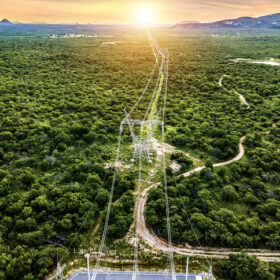
Iberdrola wins bid to develop VNI West transmission project
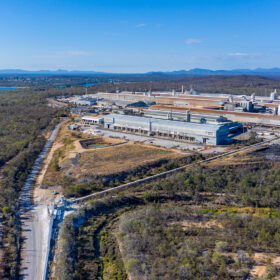
Spanish energy company Iberdrola, which has a total installed capacity in Australia of 2.3 GW, has been selected to develop the Victoria to New South Wales Interconnector West, or VNI West transmission line.
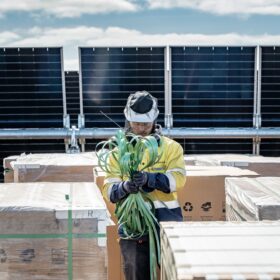
Apple’s 1 million MWh per year target boosted by PPA with European Energy
European Energy has signed a power purchase agreement with United States technology company Apple for electricity supply from the 108 MWdc Lancaster solar park in Victoria, putting Apple on track to achieve 1 million MWh per year generation in Australia.
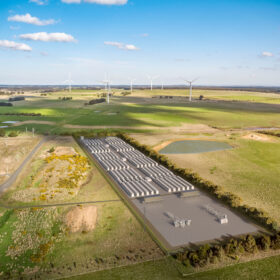
Akaysha Energy closes $460 million construction financing for Elaine BESS
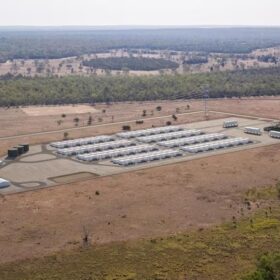
Akaysha Energy has closed $460 million construction financing for its 311 MW / 1,244 MWh Elaine BESS in Victoria, where works have also begun, with financing underpinned by a 15-year virtual tolling agreement with Snowy Hydro.
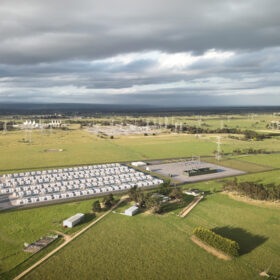
Eku Energy wins development approval for 1,200 MWh BESS in Victoria
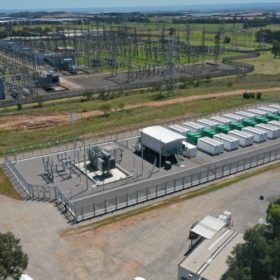
United Kingdom energy storage developer Eku Energy has been granted development approval by the Victorian government for its 300 MW / 1,200 MWh Tramway Road battery project in the southeastern Gippsland region of the state.

Hybrid Meadow Creek solar and 1 GWh BESS project approved despite protests
The hybrid 322 MW / 1 GWh Meadow Creek Solar Farm and utility battery has secured planning and environmental approvals from the Victorian government despite community opposition from the Rural City of Wangaratta.
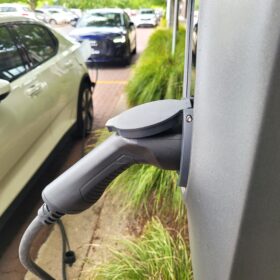
Victoria trials kerbside EV chargers for network constraint management
A ring-fencing waiver has been issued to electricity distributors CitiPower, Powercor and United Energy, to enable a kerbside electric vehicle charging trial in Victoria until mid-2031, which will include at least 5% vehicle-to-grid chargers.
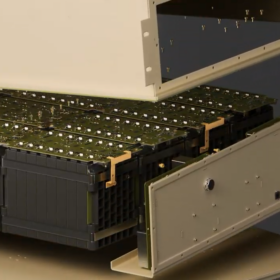
Relectrify next-gen storage system fast tracked with $25 million ARENA backing
Victoria-headquartered battery technology company Relectrify has received $25 million ARENA backing to help deploy it’s CellSwitch inverterless technology, which promises to deliver 20% more energy over a battery system’s lifetime.
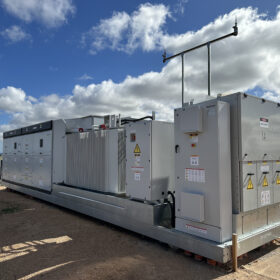
Ingeteam named inverter supplier for Victorian Winton North hybrid project
Clean energy technology company Ingeteam will supply inverters for the 227 GWh European Energy Australia Winton North hybrid project currently under construction in Victoria.
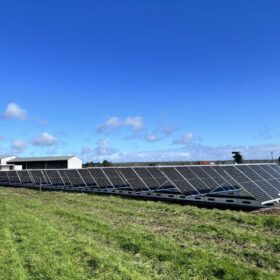
Victorian manufacturer launches solar microgrid system in US
Victoria-based microgrid manufacturer PHNXX has broken into the United States market, teaming with microgrid system and software manufacturer Paired Power to launch a portable solar-powered stand-alone power system that can be installed and generating electricity within a single day.
Livium secures boost for battery and solar panel recycling strategy
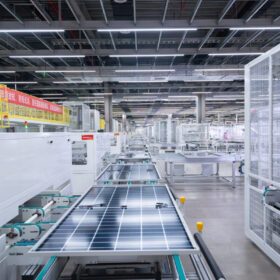
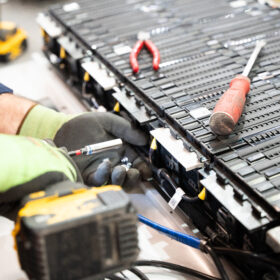
Australian clean energy technology recycling solutions company Livium has completed a $4.5 million capital raise to fuel its expansion strategy, including driving battery collection growth and accelerating its solar panel recycling plans.