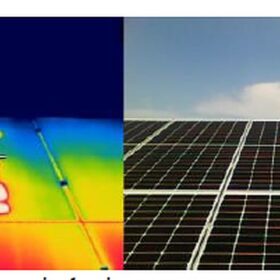
Combination of half-cut, bifacial solar cell designs may contribute to hotspot formation
Scientists in Spain tested PV modules under partial shading conditions, aiming to better understand the formation of performance-damaging hotspots. The study reveals a potential issue particularly affecting half-cell and bifacial modules, which may cause accelerated performance loss and is not covered by current testing/certification standards.

Esy Sunhome unveils residential lithium iron phosphate battery
The Chinese manufacturer said its new LiFePo4 battery is IP66-rated and has a lifecycle of more than 6,000 cycles. It comes with a 10-year warranty.
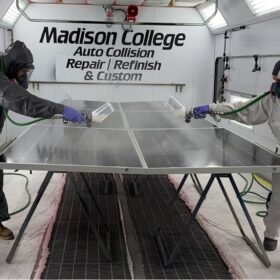
Novel thin-film anti-soiling coating increases solar module yield by over 3%
A group of scientists in the United States saw ‘encouraging’ results after testing the commercialisation of novel coating materials in field tests, with the coating only increasing a panel’s total cost by 1.4%.
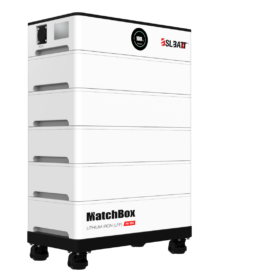
Bslbatt introduces high-voltage battery for residential PV
China’s Bslbatt says its new batteries feature individual battery modules with voltages of 102.4 V and a capacity of 52 Ah. They can be stacked in series with two to seven battery modules.
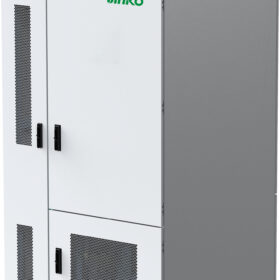
JinkoSolar introduces all-in-one battery solution for C&I solar
JinkoSolar has launched an all-in-one battery solution for commercial and industrial (C&I) solar applications. It includes a new outdoor cabinet that integrates battery packs, a management system, a power conversion system, and firefighting equipment. The system offers 215 kWh of battery capacity and up to 100 KW of rated power output.
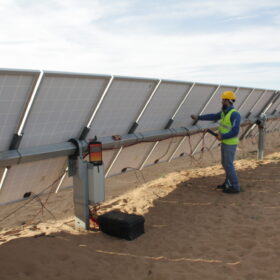
New method to take PV plant measurements in the field
Spanish researchers claim to have established new measurement methods to assess the performance degradation of PV modules without the need for removing and reinstalling the tested PV modules from their operating positions. The new approach is claimed to increase productivity in PV plant quality control activities.
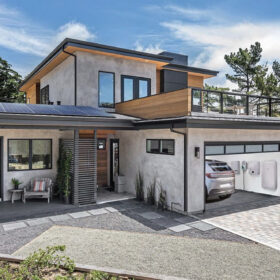
Weekend Read: the solar-battery-EV dream
For those who combine solar, batteries, and electric vehicles (EVs) at home, driving on sunshine is a realistic goal. However, there are many factors to consider when analysing the economic payoffs, as well as the technical possibilities and limitations of such systems.
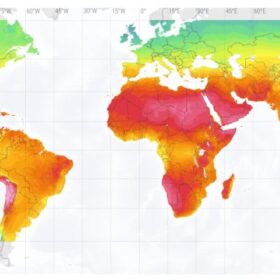
New model for day-ahead solar forecasting in areas with limited data
South Korean researchers have developed a long-term solar irradiance prediction method based on a reinforcement learning algorithm. They claim that the new model is able to forecast solar radiation for more than a year using just two weeks of solar radiation learning.
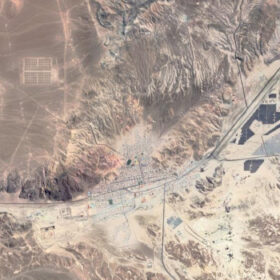
The race for 100% solar
With utility scale solar installations accelerating, Philip Wolfe, founder of PV data consultancy Wiki-Solar, drills into the data to highlight some interesting variations in relative progress around the world.
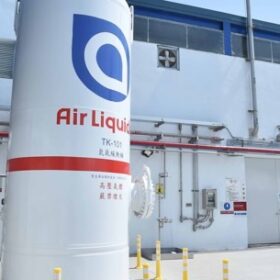
Iridium alternatives for PEM electrolysers being developed by Mattiq
Mattiq says it is evaluating “millions of combinations” of different alternatives to iridium for PEM electrolysis, while Hystar, Air Liquide, and Trillium Energy Solutions have revealed plans for the North American hydrogen market.