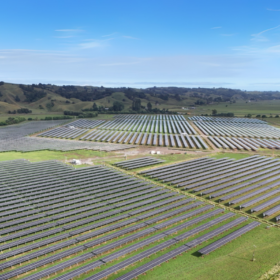
Lodestone powers up 69 GWh agrivoltaic solar farm in New Zealand’s north
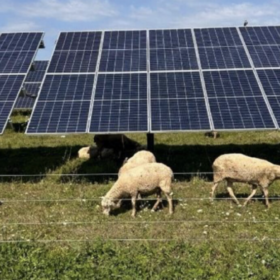
Lodestone Energy has flicked the ‘on’ switch to it’s utility-scale agrivoltaic solar array on the North Island of New Zealand, making it the first in the country to connect directly to the national grid.
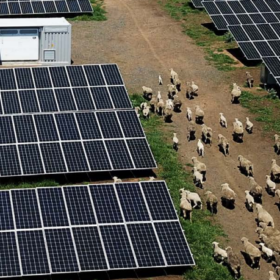
Agrivoltaics improve agricultural yield in arid regions: UTAS global study
University of Tasmania researchers have examined the benefits, or not, of agrivoltaic systems in three countries and found the technology can most improve agricultural productivity in arid and semi-arid regions.
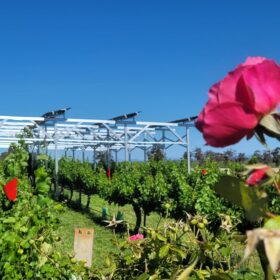
20 kW university vineyard agrisolar array tests crop yield and panel efficiency
Victoria-based renewables company Greenwood has answered the call from the University of Melbourne to install 48 solar panels at its Dookie Campus’ working vineyard, to aid research into the impact of deploying agrivoltaics on crop yield.
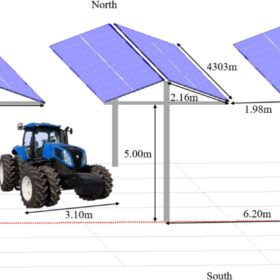
UK researchers trial agrivoltaics with large-scale hydrogen production in Australia
United Kingdom scientists have simulated how a 1 GW off-grid agrivoltaic facility may be used to fuel hydrogen fuel electric cell vehicles across Africa, the USA, China, Europe and Australia showing the proposed combination could provide a levelised cost of hydrogen ranging from $6.05/kg to $12.61/kg.
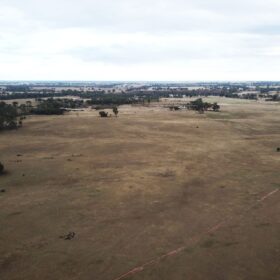
Edify lands federal approval for Victorian solar and storage project
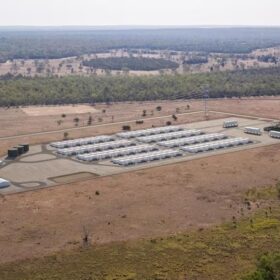
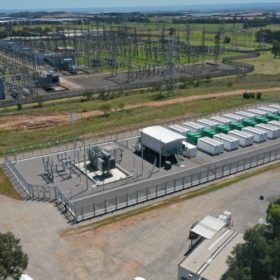
Renewables developer Edify Energy has secured federal government approval for a 250 MW solar farm and 200 MW / 800 MWh big battery planned for central Victoria.
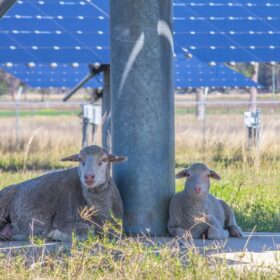
Farmers and regional communities forecast to reap billions from clean energy shift
Payments to farmers and landholders hosting large-scale renewable energy projects across Australia’s main electricity grid are expected to top $1 billion by 2030 and could reach up to almost $10 billion by 2050.
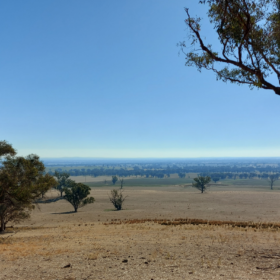
Elgin Energy progresses early stage of proposed 125 MW solar and BESS
The Australian arm of London-headquartered Elgin Energy is currently in the project planning stages of a proposed 125 MW agrivoltaic solar farm and 500 MWh battery energy storage system 10 kilometres south of Morven, 560 kilometres southwest of Sydney.
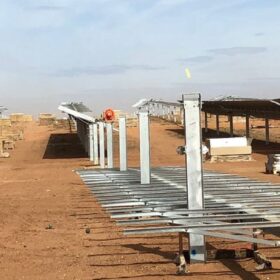
TotalEnergies secures IPC approval for solar farm and big battery project
French energy company TotalEnergies has won approval from the New South Wales Independent Planning Commission for a 320 MW solar farm and 320 MW / 780 MWh battery energy storage system to be built in the state’s New England region.
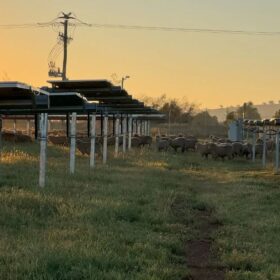
Study showcases potential of solar farms to complement agricultural practices
A study on the potential benefits of co-locating solar energy generation and sheep grazing shows those that graze in the shade of solar panels may produce better quality wool than those on traditional agricultural properties.
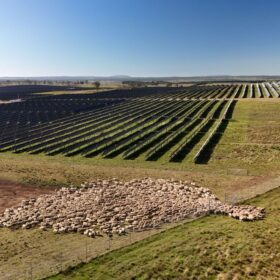
Key to unlocking Australia’s renewable energy potential
Critics of renewable energy projects are quick to argue that building solar and wind farms on productive farming and grazing land has a deleterious effect on Australia’s agricultural production.