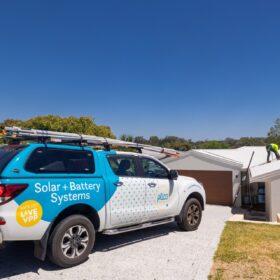
Energy transformation stirring across suburbia
Much like death and taxes are life’s guarantees, so are warmer days and nights with the Bureau of Meteorology’s long-range forecast predicting Australia to have an 80% chance of above-average temperatures this Autumn.

Warehouse rooftop solar and batteries could unlock 28 GW
An inert uptake of rooftop solar and battery storage by commercial and industrial business in New South Wales is a 7 GW opportunity missed, and nationally, 28 GW, says Nexa Advisory.
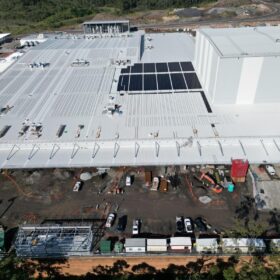
Drinks manufacturer to harness solar power at Queensland facility
International beverage company Suntory Oceania has started work on a 3.2 MW rooftop solar install that will help power its new $400 million manufacturing and distribution facility in Queensland.
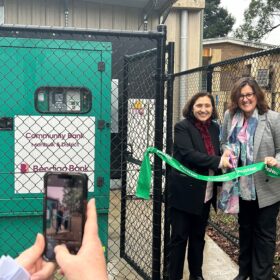
Victorian town turns to solar and storage for energy security
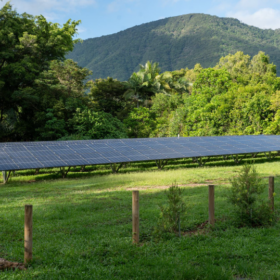
A solar-powered microgrid has been launched in the Victorian town of Monbulk as part of a $7.5 million state government program designed to better protect communities in fire and storm-prone areas against prolonged blackouts caused by extreme weather events.
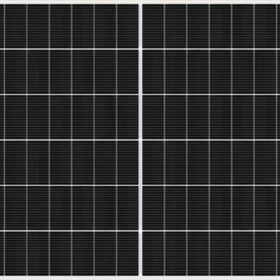
REC launches 640 W heterojunction solar module with 22.5% efficiency
REC has developed a new series of heterojunction solar panels with efficiencies up to 22.5% and an operating temperature coefficient of -0.24% per degree Celsius.
Digital exchange aims to change game for residential solar and batteries
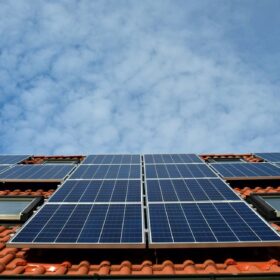
The Australian Energy Market Operator has begun consultations with industry to develop a common digital platform in a bid to make the orchestration of rooftop solar, batteries, grid-connected electric vehicles and other consumer energy resources easier.
Perfect recipe for accelerating residential battery uptake emerges
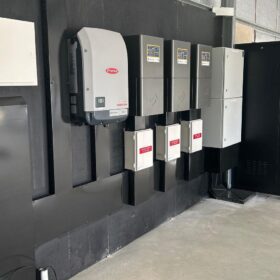
There are signs that Australian residential battery installations are set to rapidly increase. The appetite among the general public is there, and the conditions for growth are in place. In addition, fees for homeowners and small businesses exporting solar energy to the grid are coming our way.

Report lists strategic recommendations to boost BIPV rollout
A new report from the International Energy Agency’s Photovoltaic Power Systems Programme presents a suite of strategic recommendations aimed at taking building integrated photovoltaics from niche market to mainstream.
Ausgrid backs community battery to boost network stability
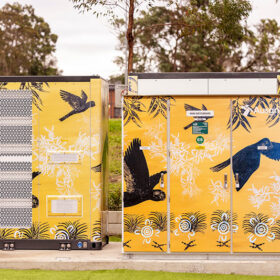
New South Wales distributed network provider Ausgrid has powered up its third battery energy storage system under the federal government’s $200 million Community Batteries for Household Solar program.
Rooftop PV market faces profit squeeze as sales slow
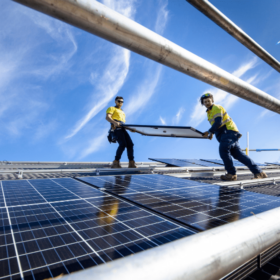
Rooftop PV is the fourth largest source of electricity generation in Australia, providing about 11% of the country’s power supply, but solar industry analyst SunWiz has cautioned the market to brace for a challenging period.