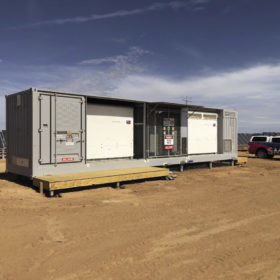
Long read: Collaborative digital fixes for the energy transition
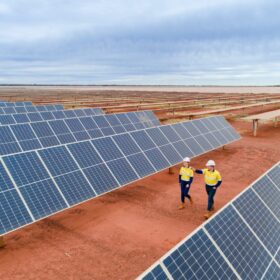
Straddling two state borders, the West Murray region in southeastern Australia has become a microcosm of technical challenges that can plague the energy transition. Faced with serious curtailment of solar farms in this electrically remote region, a remarkable inverter-based technical feat may have changed the game.
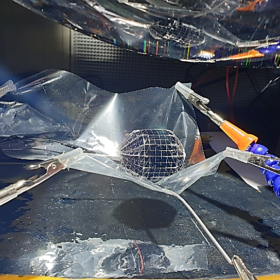
Spherical monocrystalline solar cells with 18.93% efficiency
The spherical 3D cells can reportedly generate around 101% more power than conventional flat solar cells. Measurements have also shown that the spherical cells provide a 10% lower maximum temperature compared to flat cells, while accumulating less dust.

Solar proves a sanctuary from Covid-19 energy bill shock
Nationwide analysis from Natural Solar’s live monitoring systems shows a 105% increase in Aussie household electricity in Q1 2020 as compared to 2019, a spike resulting from the lockdown implications of the Covid-19 pandemic. However, many Australians, like the 100% of Mulpha’s ‘Smart City’ buyers in Sydney’s North-West, will be buffeted from bill spikes thanks to home solar and energy storage systems.
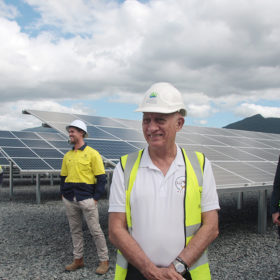
Cairns isn’t letting water or solar go to waste
Cairns Regional Council is nearing the completion of four mini solar farms across its Wastewater Treatment Plants, a development that will significantly reduce emissions and save on the electricity bill.

Another billion-dollar quarter for JinkoSolar
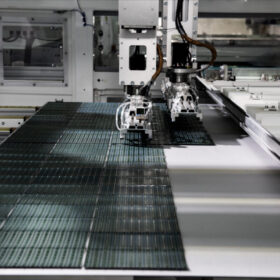
Despite the challenges to both the manufacturing and shipment of its products during the period, JinkoSolar today reported that it shipped 3.4 GW of modules in the first quarter of 2020, bringing its revenue for the quarter just over the billion dollar mark.
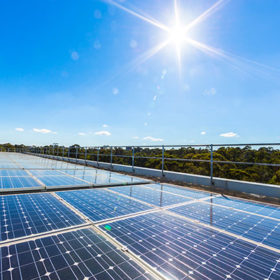
Monash researchers propose new approach to energy management in microgrids
Monash University researchers have developed an energy exchange framework to better manage distributed energy resources, which they say will help consumers lower their power costs. The applicability of this perspective is demonstrated through the university’s landmark on-site microgrid.
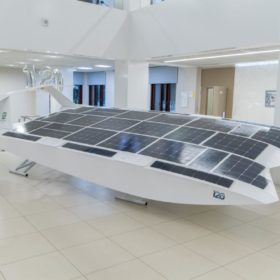
World’s first self-drifting solar boat
The pilotless, high-speed solar boat, now under development by Russian scientists, purportedly has unlimited power reserves. It could be used for marine patrols, search and rescue operations, and cargo delivery, they said.
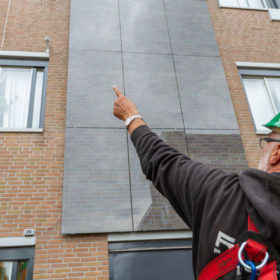
Facade solar panels with ‘mimic design’
Dutch startup Solar Visuals and the Netherlands Organisation for Applied Scientific Research (TNO) have developed new “mimic design” facade modules that reproduce the features of building surfaces. Lenneke Slooff-Hoek, a senior scientist for TNO, told pv magazine that the panels can be made in any size or color at 13% efficiency, adding that they have a partly transparent colored layer made of small dots.
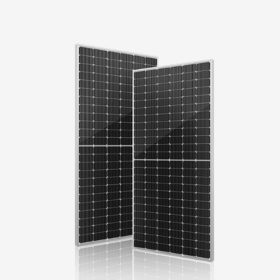
Seraphim signs module supply agreement in Australia
Chinese solar manufacturer Seraphim has strengthened its local distribution network in Australia on the back of a 50 MW high-efficiency solar modules supply deal with Raystech Group.

Solar Trees grow in Townsville
Townsville in North Queensland is set to receive two new ‘solar trees’ as part of a beautification project designed to connect the city’s new stadium precinct with its CBD as the regional city looks to boost its economic recovery from the impacts of Covid-19.