




From pv magazine USA
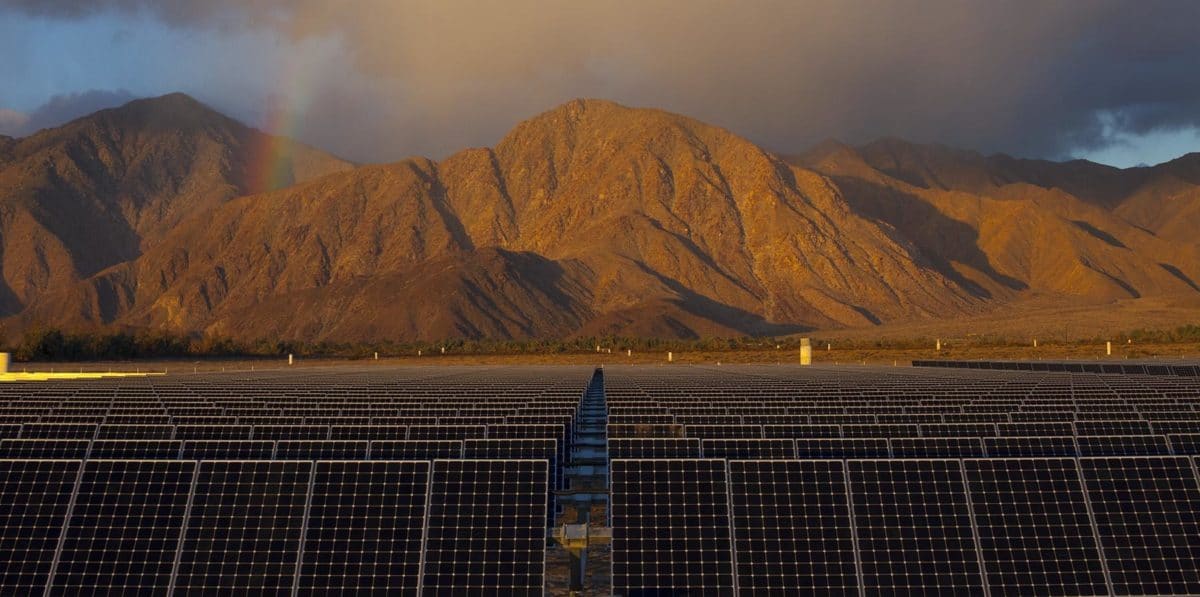
Recent studies have proposed using solar-plus-storage microgrids to minimise public safety concerns from power shutoffs (PSPS) during the wildfire season for communities located in wildland-urban interfaces, such as California and much of the US west coast.
A comprehensive assessment of microgrids had not been performed to evaluate the potential to enhance resilience for up to 46 million Americans living next to forests, or a wildland-urban interface, where wildfire risk is acute.
To address this research gap, a study by the Lawrence Berkeley National Laboratory looked at a novel modelling framework and assessed the potential of solar and batteries for districts where power can be turned off based on wildfire warnings.
LBNL’s modelling framework consists of:
- Clustering algorithms that identify communities based on building footprint data, fire hazard severity, and renewable energy potential;
- A building simulation model to quantify the energy demand;
- An energy system optimisation model to assist the microgrid.
LBNL defines a microgrid as a controllable and localized energy grid that could be disconnected from the regional grid and operate independently.
An optimization tool was introduced to model microgrids in forest-bordering regions, and subsequently, an assessment was performed focusing on seven localities in California with different climate conditions.
To continue reading, please visit our pv magazine USA website.
This content is protected by copyright and may not be reused. If you want to cooperate with us and would like to reuse some of our content, please contact: editors@pv-magazine.com.


I thought the point of a micro grid was that you wouldn’t need a public safety power shut off!