




The Australian Energy Market Operator (AEMO) has released the 2025 Transition Plan for System Security outlining key points and the investments required to maintain system security in the National Electricity Market (NEM) over the next decade.
AEMO Chief Executive Officer Daniel Westerman said the expanded report provides technical information to navigate the next 10 years of the transition to meet system security requirements and consumer needs.
“The Transition Plan for System Security aims to help guide the sector through the next phase of the energy transition, focusing on the key transition points and actions needed to keep Australia’s main power system stable and secure,” he said.
“The report outlines the steps required to replace the system security services provided by coal plants that are retiring and unlock the growing potential of renewable energy, including rooftop solar, to help deliver a smooth transition for consumers,” he said.
Westerman said 10 coal-fired power stations have closed since 2012 and half of the remaining fleet is projected to retire in the coming 10 years, as well as several large gas generators.
These power plants are being replaced by a pipeline predominantly made up of inverter-based resources (IBR), such as solar, batteries, and wind generation, including a large amount of distributed solar and batteries.
“Australia’s energy system is changing rapidly. Coal-fired power stations are retiring and being replaced with a combination of renewable energy, storage and gas-powered generators,” Westerman said. “Australian consumers continue to invest in rooftop solar at a world leading pace and they are now adding home batteries and electric vehicles.”
Westerman said that flood of intermittent generation can sometimes create a challenge for how the system operates, adding that it is essential that the NEM remain both reliable and secure.
“To be reliable, there must be enough generation to meet consumer needs at any point in time,” he said. “To be secure, the power system must operate safely within its defined technical limits, withstand disturbances, and be able to restart in the event of a widespread outage.”
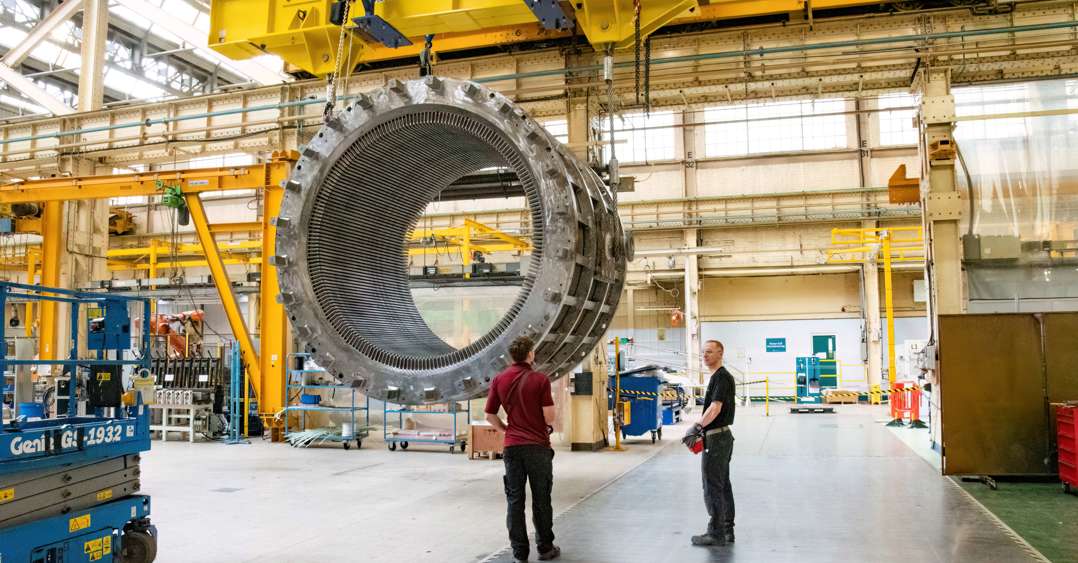
Key to AEMO’s plan is the timely delivery of synchronous condensers capable of providing both system strength and inertia.
The market operator also highlighted the need for grid-forming battery energy storage systems to deliver a wide range of system security services in the NEM such as frequency control, voltage stability and some aspects of system strength.
AEMO also warned that there is a need for increased emergency distributed PV backstop capacity, particularly in Queensland, to keep the grid stable during periods of low demand.
These “backstop” measures would give the market operator the ability to switch off or turn down rooftop solar systems in “rare, but plausible” operating conditions.
“The last decade has seen significant effort to support the transition to greater amounts of large-scale renewables, including improved performance standards and new operational approaches to maintain system security and reliability,” the report reads. “A similar concerted effort is required to ensure consumer energy resources are effectively integrated in a way that supports the secure and reliable delivery of electricity to all consumers now and into the future.”
Westerman noted that industry and governments already have actions underway to manage the identified transition points and said AEMO will continue to work collaboratively to signal and support the required investments and reforms needed to maintain system security.
“For decades, system security services have been a by-product of coal-fired power generation,” he said. “As these aging generators withdraw and retire, replacement services must be delivered on time to support higher levels of renewable energy produced by residential rooftops and commercial scale generators.”
This content is protected by copyright and may not be reused. If you want to cooperate with us and would like to reuse some of our content, please contact: editors@pv-magazine.com.



L’AEMO non ritiene necessaria anche una quota di Nucleare per garantire una adeguata potenza di un corto circuito in rete e dare stabilita’ alla rete ?