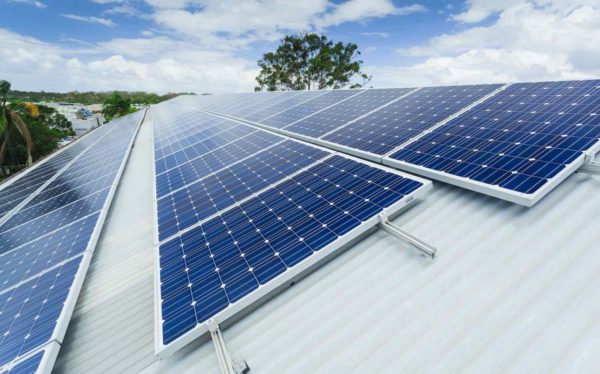





The Queensland government has launched its $26.3 million (USD 17.5 million) Supercharged Solar for Renters program which provides eligible landlords with rebates of up to $3,500 to install rooftop solar systems on their rental properties anywhere in the state.
Eligibility requires that landlords must live in Australia, own a rental property which is currently rented out, and not live in the rental property themselves, plus, have tenant consent (and body corporate consent where applicable).
The property must be a house, duplex, or townhouse, or a secondary dwelling such as a granny flat. It must be currently rented out with an eligible tenancy agreement (lease) in place, be renting for $1,000 or less per week, and have its own electricity meter.
Properties are ineligible if they already have a rooftop solar system installed (working or not) or are part of the embedded network.
The eligibility criteria are intended to provide solar savings without changing other rental conditions.
Suppliers, panels and inverters are subject to conditions such as being Clean Energy Council (CEC) approved. The system must have a capacity of at least 3 kW, a generation signalling device (GSD), be designed by a system designer accredited by Solar Accreditation Australia (SAA), and be installed by qualified persons holding relevant SAA accreditation, Queensland electrical contractor and worker licencing.
Queensland Treasurer, Minister for Energy and Minister for Home Ownership David Janetzki said it’s a win-win-win, easing costs for renters, enhancing property values for landlords, all while supporting renewable energy adoption in Queensland.
Queensland Conservation Council campaigner Stephanie Gray said a recent Energy Consumers Australia (ECA) survey found that approximately 70% of renters avoid heating and cooling their homes, with 40% saying they can’t keep their homes comfortable without using a lot of energy.
“As we transition our energy system it’s vital that all Queenslanders are able to access the benefits of affordable solar energy, particularly so everyone can afford to keep their homes within a safe temperate range,” Gray said.
Solar Citizens Chief Executive Officer Heidi Lee Douglas said better targeting towards lower income households together with energy efficiency upgrades (like blinds, draft controls and appliances like heat pumps) would see people who can least afford high energy bills benefit even more.
“Solar Citizens has started a national conversation on how to unlock solar for renters to generate solutions across the country for 1 in 3 Australians who rent,” Douglas said.
This content is protected by copyright and may not be reused. If you want to cooperate with us and would like to reuse some of our content, please contact: editors@pv-magazine.com.



By submitting this form you agree to pv magazine using your data for the purposes of publishing your comment.
Your personal data will only be disclosed or otherwise transmitted to third parties for the purposes of spam filtering or if this is necessary for technical maintenance of the website. Any other transfer to third parties will not take place unless this is justified on the basis of applicable data protection regulations or if pv magazine is legally obliged to do so.
You may revoke this consent at any time with effect for the future, in which case your personal data will be deleted immediately. Otherwise, your data will be deleted if pv magazine has processed your request or the purpose of data storage is fulfilled.
Further information on data privacy can be found in our Data Protection Policy.