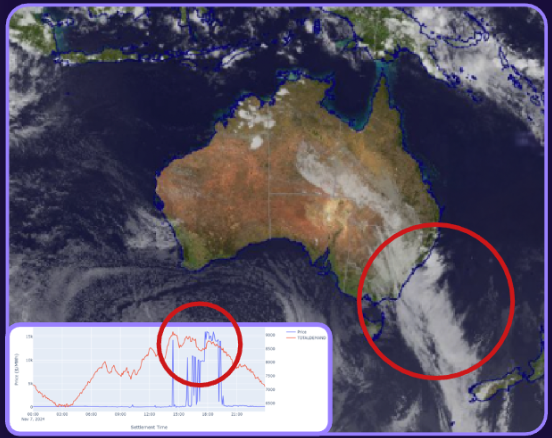





Melbourne-headquartered solar energy forecasting company Solstice AI research shows a 10% improvement in weather / solar forecasting accuracy would generate an extra $38 million (USD 25 million) per year in profit for utility solar, and worldwide, $9.5 billion.
Using artificial intelligence (AI) to identify rooftop solar panel location, orientation and capacity across extended regions, Solstice AI is combined with cloud movement forecasts to predict solar generation with a high degree of accuracy.
The data can help stakeholders make more accurate price bids, avoid forecast error penalties like Frequency Performance Payments (FPP), maximise yields, take advantage of price spikes caused by unexpected cloud cover, and manage exposure to market volatility.
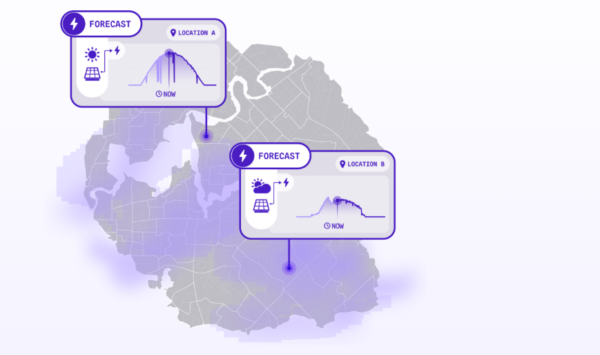
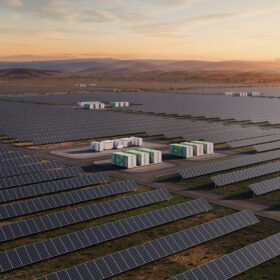
Image: Solstice AI
Melbourne University Research Fellow and Solstice AI Founder Dr Julian de Hoog said the technology coming to market today can transform solar from a variable resource into a predictable and manageable component of the energy system — a foundational requirement for the renewable energy transition.
“The financial cost of forecasting failure is already in the billions and will reach $80 billion by 2030,” de Hoog said.
“All stakeholders in the solar ecosystem can benefit from better forecasting. For solar farms, it’s a route to maximising yield and market revenue. For traders and gentailers, it’s an essential part of managing their portfolio’s exposure to solar volatility.”
“Market operators like the Australian Energy Market Operator (AEMO) need to balance supply and demand, and virtual power plants (VPPs) need to aggregate and coordinate thousands of rooftop systems,” de Hoog said.
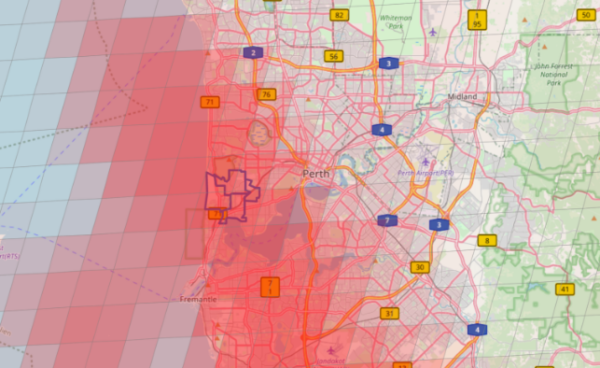
Image: Solstice AI
Findings from the Solstice AI research is published in The Great Solar Opportunity: How new technologies and data-driven approaches are unlocking the next era of solar energy report, which outlines how a 10% improvement in weather/solar forecasting can boost utility scale solar farm yields by an extra $38 million per year.
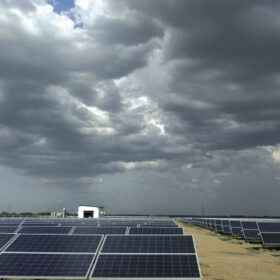
The report notes many stakeholders use generic cloud cover forecasts, but lack a deeper understanding of cloud height, thickness, temperature, movement, moisture content and how they interact with the local geography, which can have a major impact on solar generation
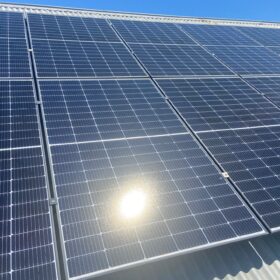
“Large regions throughout Australia have ~10% more solar capacity than is recorded in official government databases like consumer energy resources (CER) and distributed energy resources (DER) – used by the likes of AEMO, National Electricity Market (NEM) and energy traders,” the report says.
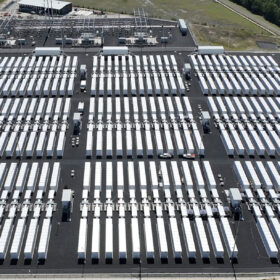
Battery energy storage systems make a disproportionate amount of revenue during extreme price spikes and in 2024 in just 2% of the year were seen to generate more than a third (36%) of their annual revenue.
“The annual value of improved solar forecasting for these providers is in the hundreds of millions of dollars every year,” the report says.
Solstice AI believes the global solar forecasting opportunity by 2030 is approximately $80 billion per year or more, growing quickly in line with accelerating global solar energy growth.
This content is protected by copyright and may not be reused. If you want to cooperate with us and would like to reuse some of our content, please contact: editors@pv-magazine.com.


2 comments
By submitting this form you agree to pv magazine using your data for the purposes of publishing your comment.
Your personal data will only be disclosed or otherwise transmitted to third parties for the purposes of spam filtering or if this is necessary for technical maintenance of the website. Any other transfer to third parties will not take place unless this is justified on the basis of applicable data protection regulations or if pv magazine is legally obliged to do so.
You may revoke this consent at any time with effect for the future, in which case your personal data will be deleted immediately. Otherwise, your data will be deleted if pv magazine has processed your request or the purpose of data storage is fulfilled.
Further information on data privacy can be found in our Data Protection Policy.