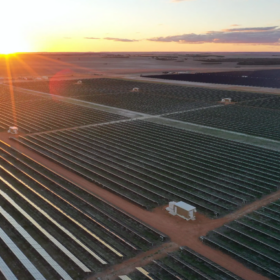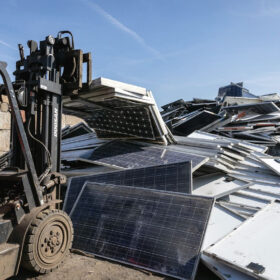
PV module recycling gains momentum as waste volumes surge globally
A comprehensive new report from IEA PVPS Task 12 reveals how countries around the world are managing the growing volumes of end-of-life solar modules, implementing regulations and scaling recycling infrastructure to handle the expected increment in PV waste over the coming decades.

Mercedes unveils car with 20% efficient ultra-thin solar coating
Mercedes-Benz has unveiled a prototype car with a silicon-free, 20%-efficient nanoparticle solar coating that powers the vehicle even when off and uses modules thinner than a human hair.
Aquila, FNSF energise Far North solar farm
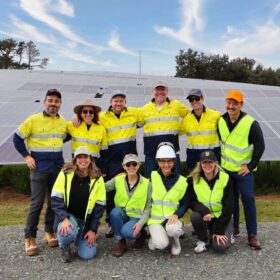
Another PV power plant has commenced operations in New Zealand with development partners Aquila Clean Energy APAC and Far North Solar Farm officially launching the 20.8 MWp Pukenui Solar Farm in the country’s far north.
Livium secures boost for battery and solar panel recycling strategy
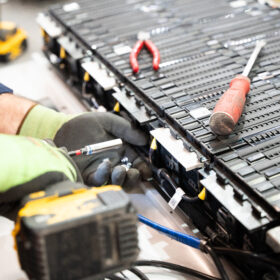
Australian clean energy technology recycling solutions company Livium has completed a $4.5 million capital raise to fuel its expansion strategy, including driving battery collection growth and accelerating its solar panel recycling plans.
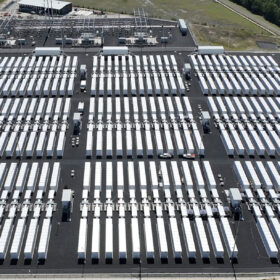
Market backs big batteries as coal exit continues
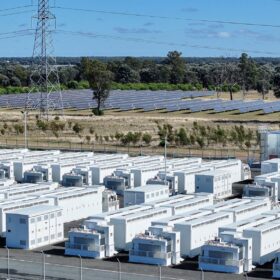
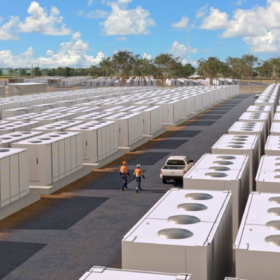
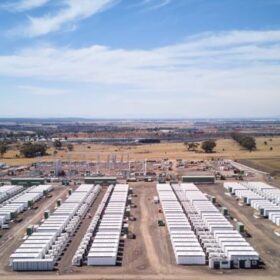
Utility-scale batteries are rising to the challenge of guaranteeing network reliability as the clean energy transition continues, with Australia having now surpassed the United Kingdom to become the third-largest market for large-scale battery energy storage systems globally, behind China and the United States.

Australian solar pioneer wins top UK engineering prize
Pioneering solar researcher Martin Green has received arguably one of the world’s top awards for engineers and scientists in recognition of his achievements in photovoltaics and driving the global shift to renewables.
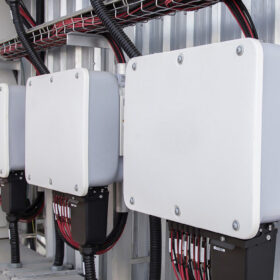
Improving solar inverter design with silicones
Inverters must withstand the high levels of heat generated when operating, otherwise system performance and reliability could be at risk. Cody Schoener of Dow Performance Silicones argues using silicone-based materials for inverters can improve thermal management and fire protection, while offering thermal stability, environmental resistance, electrical isolation and support for operational efficiency.

Solar tracker repowering emerges as key to sustaining older arrays
Aging utility-scale solar projects are driving interest in tracker repowering, while asset owners weigh costs against gains in performance and longevity.

Singapore approves 1 GW hydropower import project from Malaysia
Singapore has conditionally approved a 1 GW hydropower import project from Malaysia’s Sarawak state, with first deliveries expected around 2035.
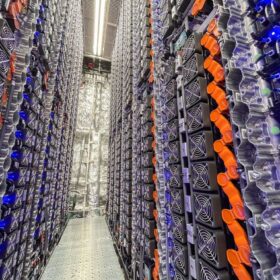
Incat starts energisation process for world’s largest electric ship
The world’s largest battery-electric ship has reached a new milestone with shipbuilder Incat Tasmania confirming that one of the vessel’s four battery rooms is now receiving electrical charge ahead of sea trials later this year.