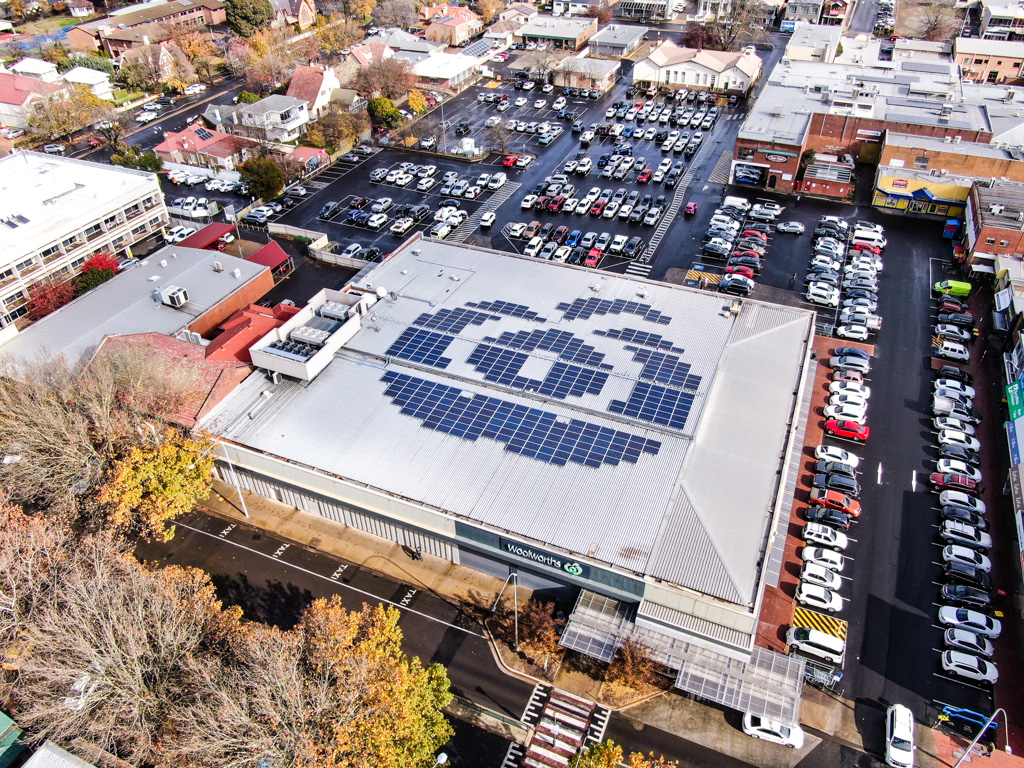





Australian retail giant Woolworths Group has announced it is 100% powered by renewable electricity across its superkmarkets, distribution centres, BIG W stores and support offices in Australia and New Zealand.
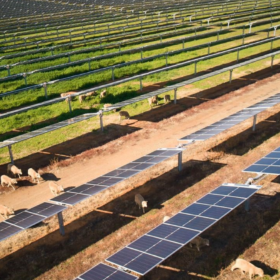
The largest solar system at 2.5 MW is located at Heathwood, Queensland, 32 kilometres south of Brisbane on a Woolworths distribution centre roof, with a 5 MW system under construction in New South Wales (NSW) at the Eastern Creek – Sydney Chilled and Fresh distribution centre.
Woolworths Chief Group Public Affairs, Communication and Sustainability Officer Simon Lowden said since December 2025, every supermarket, BIG W store, distribution centre, and other Woolworths Group facility across Australia and New Zealand has been running on renewable electricity from a mix of on-site solar and contracts or certificates to cover grid consumption.
“For example, across 14 of our distribution centres, we host some of the largest rooftop solar installations in the country, making us one of the biggest commercial solar operators in Australian retail,” Lowden said.
“This on-site generation meaningfully reduces grid demand during peak hours, giving us energy independence where it matters most and putting less pressure on the network that communities rely on.”
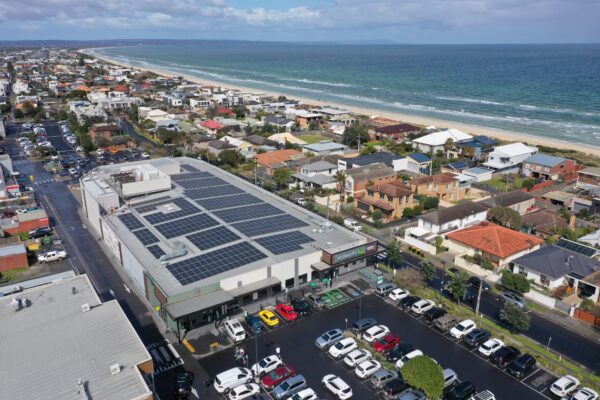
Image: Woolworths Group
A Woolworths representative told pv magazine that the solar systems have predominantly been installed by Solgen (now AGL), although other installers were involved in the 338 installations.
The majority of systems, 285, have been installed on Woolworths supermarkets, and range from 60 kW to 480 kW, depending on store size and available roof space, with the average system at approximately 200 kW capacity.
Eleven systems are larger than 1 MW and installed on the company’s distribution centre sites.
The company’s current rooftop solar program began in 2015 and has been rolled out continuously since 2018, though its first solar installations occurred in 2011.
Module and inverter types are varied as technology has advanced over the period but generally are categorised as Tier 1 equipment.
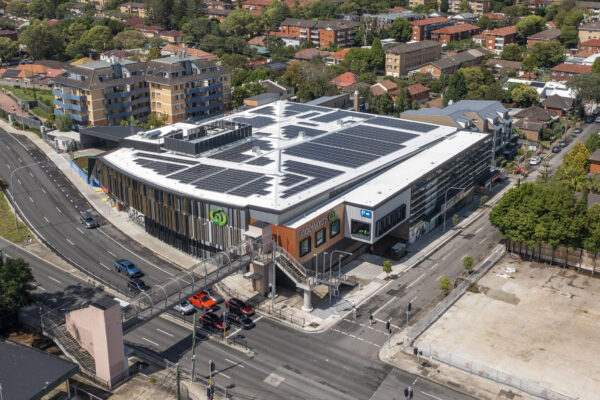
Image: Woolworths Group
Electricity requirement sources
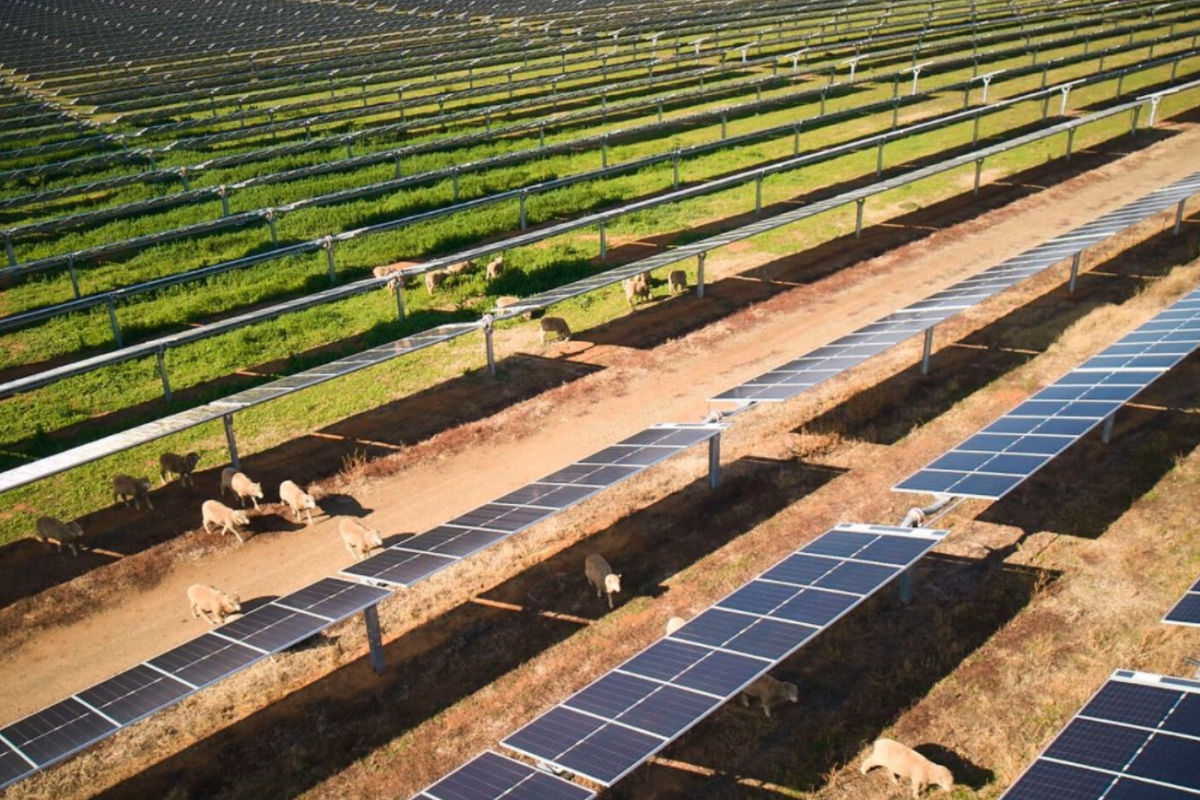
In addition to its on-site solar power system network that generates enough electricity to power 17,000 homes, the Group also sources more than two-thirds of its electricity requirements through partnerships and contracts across Australia and New Zealand to leverage a mix of wind and solar.
The partnerships are complemented by contracts that support renewable electricity investment through the supply of large scale generation certificate (LGC) arrangements which match the Group’s consumption.
For its electricity sourced from third parties, the Group has prioritised investment in new renewable electricity projects rather than existing infrastructure to increase capacity in the national grid.
The milestone is projected to deliver a reduction of over 74% in operational emissions, moving Woolworths closer towards its goal of a 80% reduction in absolute scope 1 and 2 GHG emissions by 2030 (from a 2023 base year).
Energy efficiency
The Group says it is reducing consumption by implementing network-wide initiatives, including refrigeration upgrades, more efficient equipment, LED lighting, store infrastructure retrofits, and by optimising the design and construction of new distribution centres.
Complementing these initiatives, is real-time monitoring through the Group’s Energy Management Centre which pinpoints peaks, identifies patterns and provides targeted intervention when unexpected consumption spikes are identified.
“We have an opportunity to make a meaningful contribution to the country’s clean energy future, which is why we have intentionally prioritised renewable projects rather than drawing on existing supply,” Lowden said.
“Our energy decisions have real weight in shifting the grid toward renewable sources. By contracting directly with renewable electricity generators and supporting new build assets, we believe that’s the way for a business like ours to add capacity.”
This content is protected by copyright and may not be reused. If you want to cooperate with us and would like to reuse some of our content, please contact: editors@pv-magazine.com.



By submitting this form you agree to pv magazine using your data for the purposes of publishing your comment.
Your personal data will only be disclosed or otherwise transmitted to third parties for the purposes of spam filtering or if this is necessary for technical maintenance of the website. Any other transfer to third parties will not take place unless this is justified on the basis of applicable data protection regulations or if pv magazine is legally obliged to do so.
You may revoke this consent at any time with effect for the future, in which case your personal data will be deleted immediately. Otherwise, your data will be deleted if pv magazine has processed your request or the purpose of data storage is fulfilled.
Further information on data privacy can be found in our Data Protection Policy.