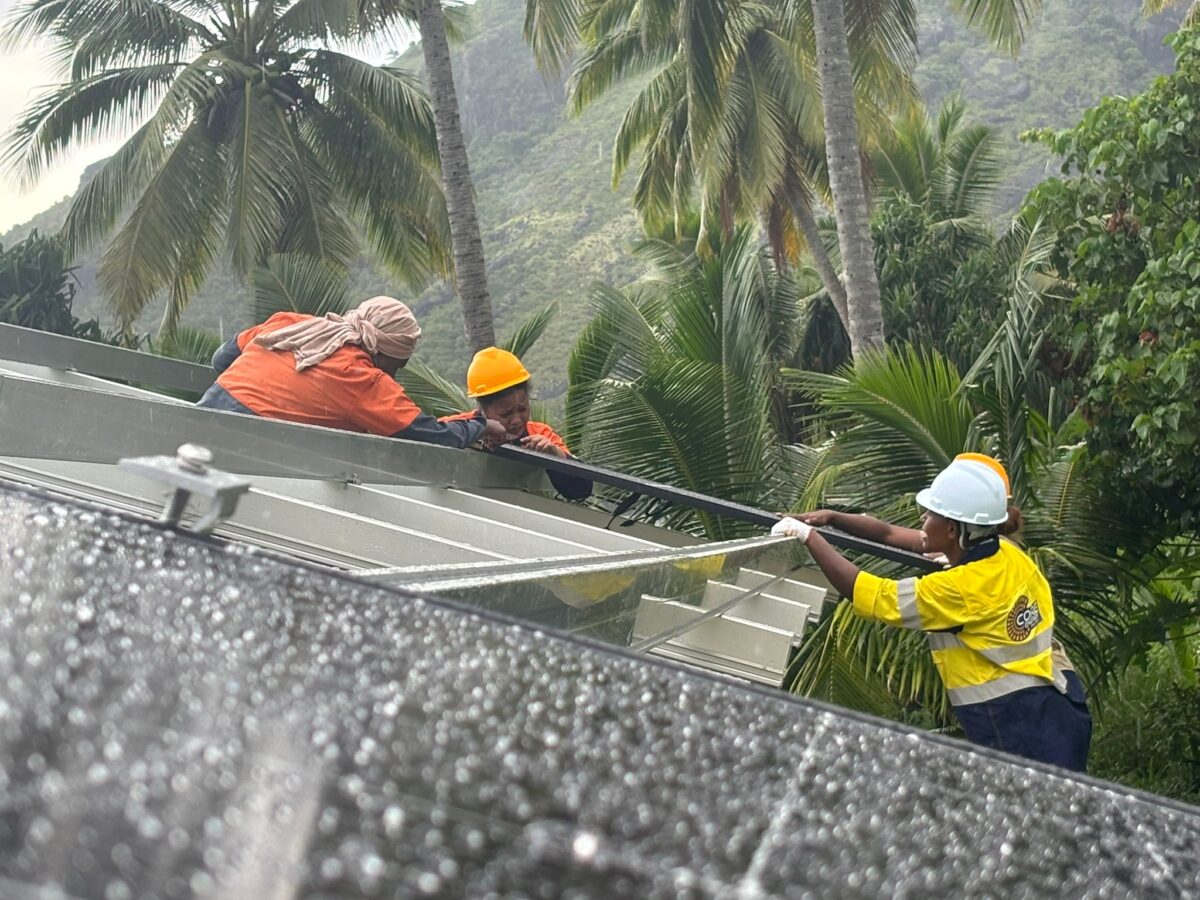





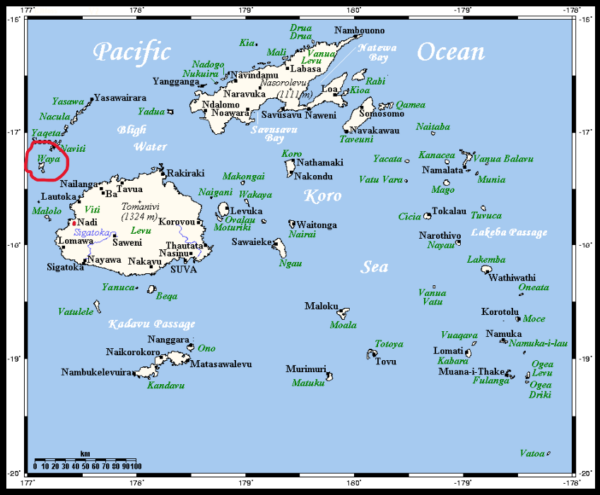
University of the South Pacific (USP) students worked with professional Australian solar technicians to design, engineer and install a 40 kWh microgrid at the Ratu Naivalu Memorial School on Waya Island, Fiji, which previously was 100% reliant on diesel energy.
Located approximately 60 kilometres and two hours by sea northwest of Fiji’s capital Nadi, the team of 10 solar tech and 10 students provided clean power and connectivity to four school buildings, three hostels and 10 teachers homes.
The installation included an 18 kW rooftop and ground mounted solar array using Trina panels with Clenergy racking, 40 kWh Briggs and Stratton lithium battery energy storage system and SMA inverters, and is the result of a collaboration between project lead organisation Its Time Foundation, REnew Pacific, ClenergyESS, SMA Australia and DPA Energy.
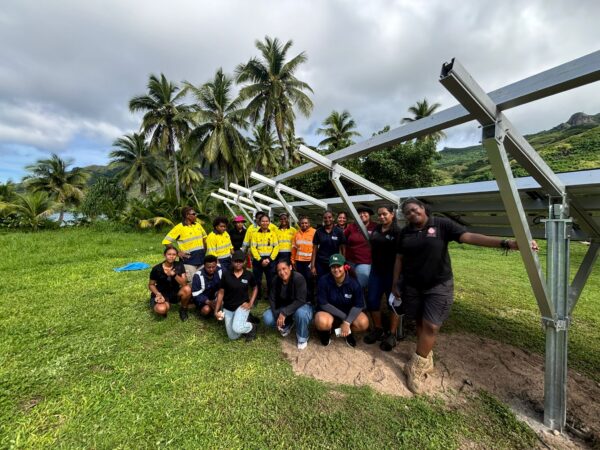
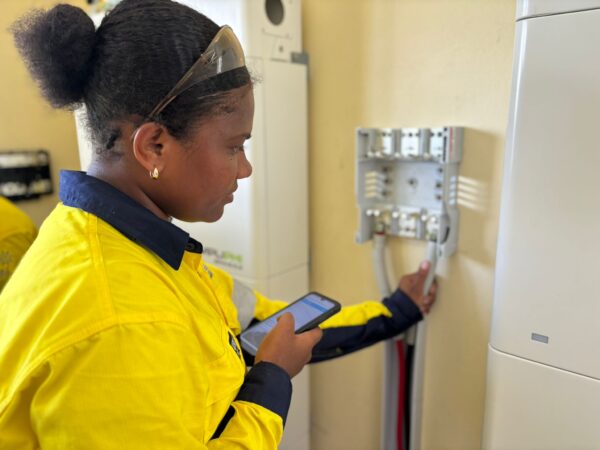
The team of women installers and engineers came from Fiji and Tonga, assisted by a group of third and fourth year female engineering students from the USP.
Australian Women in Solar Energy (AWISE) co-founder and accredited solar installer and electrician Lily Pejkic participated in the project, and assistance in the final stages were AWISE Director Lauren Hamilton, Canberra Institute of Technology (CIT) Trade Skills Director Fiona Dace Lynn, and Women in Construction and Trades (WICAT) in Fiji Projects Director Julianne Verma.
“For all the women, this project represented a great opportunity to show they could engineer, install and electrify a system on their own,” Hamilton told pv magazine.
“Many mentioned they’re typically not given an opportunity to work on site usually, as the men in their companies are, so it was an opportunity to network with like–minded women.”
“Now, rather than feeling alone in a male-dominated industry, they have over 20 women they know, and at the start of their careers this is valuable and will have a lifelong impact,” Hamilton said.
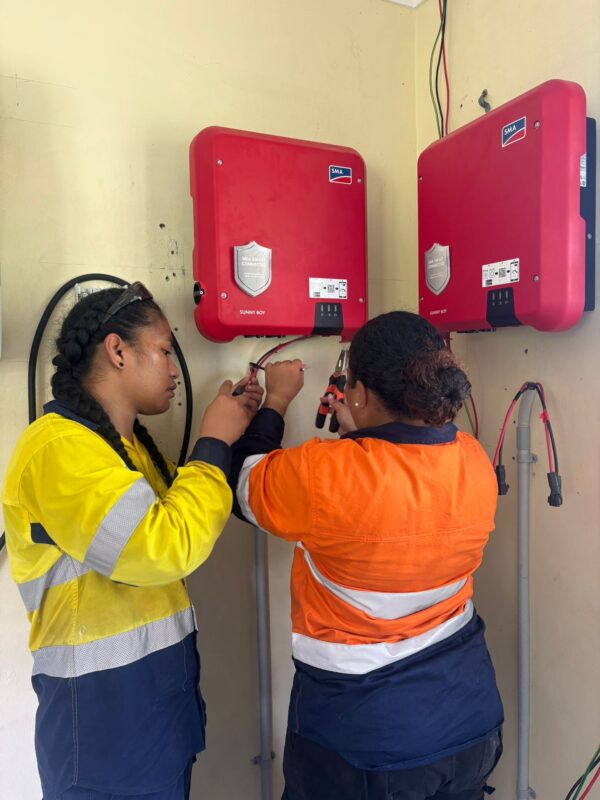
Image: Its Time Foundation
Partipicants also expressed a sense of pride that they designed and built and entire system themselves.
“I found this an inspiring experience. The conditions were tough that these women worked in, although very beautiful, and not only did they not complain, they embraced it and worked collaboratively, and with a lot of laughter,” Hamilton said.
Women’s Capacity Building Workshop
Following the installation, a Women’s Capacity Building Workshop was conducted where industry challenges in both Fiji and Australia were discussed.
“These include imposter syndrome, being overlooked for promotion or given administrative/officer manager work even though they’re qualified engineers,” Hamilton explained.
“Issues such as being disrespected or even bullied on site were raised, but what was interesting is that there seemed to be more women ‘on the tools’ in Fiji than in Australia, where the quoted figures of 35%+ of the clean energy workforce being female is almost entirely women in offices, and often in auxiliary roles such as sales, marketing, HR, finance and management.”
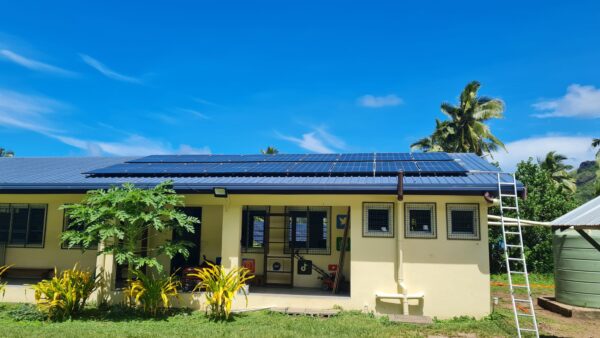
Image: Its Time Foundation
This content is protected by copyright and may not be reused. If you want to cooperate with us and would like to reuse some of our content, please contact: editors@pv-magazine.com.


By submitting this form you agree to pv magazine using your data for the purposes of publishing your comment.
Your personal data will only be disclosed or otherwise transmitted to third parties for the purposes of spam filtering or if this is necessary for technical maintenance of the website. Any other transfer to third parties will not take place unless this is justified on the basis of applicable data protection regulations or if pv magazine is legally obliged to do so.
You may revoke this consent at any time with effect for the future, in which case your personal data will be deleted immediately. Otherwise, your data will be deleted if pv magazine has processed your request or the purpose of data storage is fulfilled.
Further information on data privacy can be found in our Data Protection Policy.