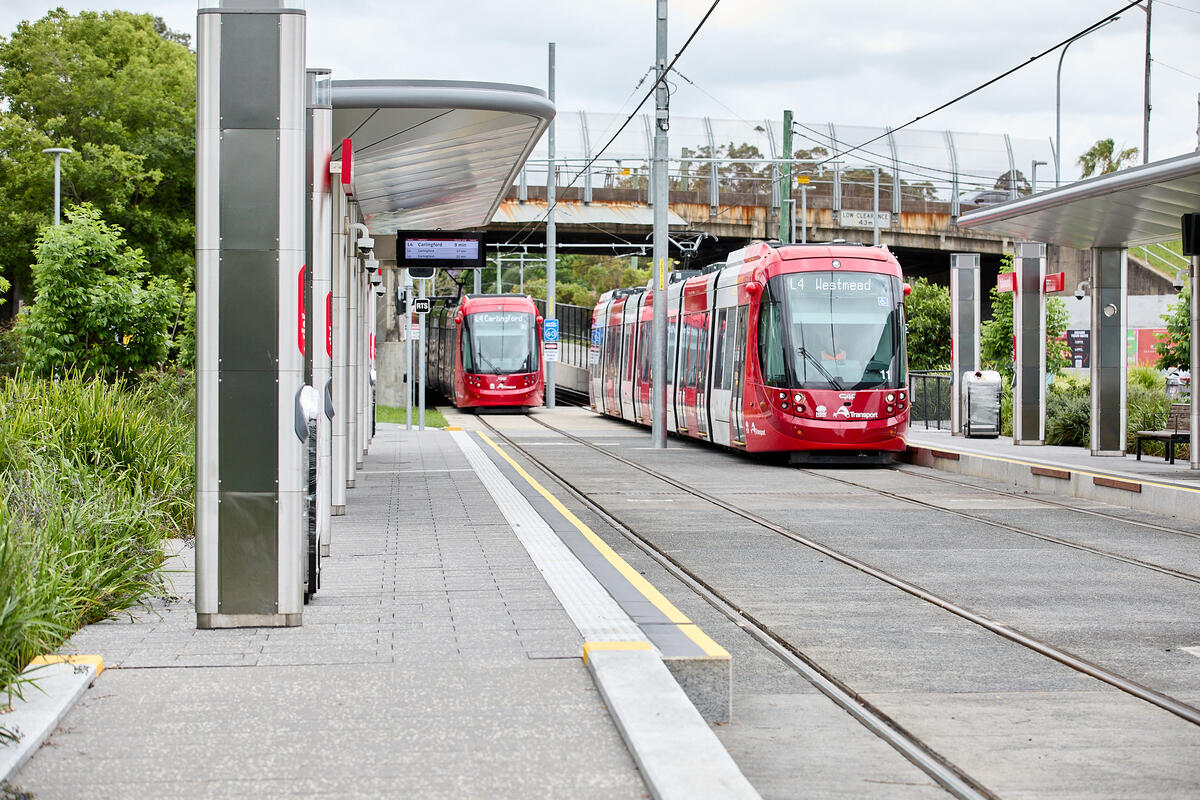





The New South Wales (NSW) goverment’s transport services and infrastructure agency Transport NSW has signed a seven year, $1.9 billion (USD 1.3 billion) contract with federal government-owned Snowy Hydro retail arm Snowy Energy to power all its public transport operations with clean power.
The deal covers all electric trains, light rail, and electric buses including Sydney Metro, Sydney Trains, Sydney Light Rail, Parramatta Light Rail, Newcastle Light Rail, Zero Emissions Buses, Port Authority of NSW, and Western Harbour Tunnel.
Snowy Energy was awarded the deal to run from 1 July 2027 to 2034, following a two-year review and competitive tender process.
Snowy Hydro Chief Executive Officer Dennis Barnes said the contract shows demand for renewable energy solutions is growing at pace.
“There has been growing interest from businesses and government agencies across the country that are looking for innovative ways to decarbonise their operations,” Barnes said.
“Transport for NSW is a large energy user and they are leading the way in their efforts to reduce emissions. We were able to provide a tailored approach that meets their unique needs and secures long-term renewable matched energy from sources such as the Uungula Wind Farm right here in NSW.”
NSW Minister for Transport John Graham said Transport NSW uses almost as much electricity as all other government agencies in NSW combined.
“It’s important we use our buying power responsibly and get the best possible deal for taxpayers, which is what we have achieved,” Graham said.
“We are planning for a sustainable future as our network continues to grow, with new Sydney Trains fleets, more metro services, thousands of emissions-free buses, and Light Rail across the city and Parramatta.”
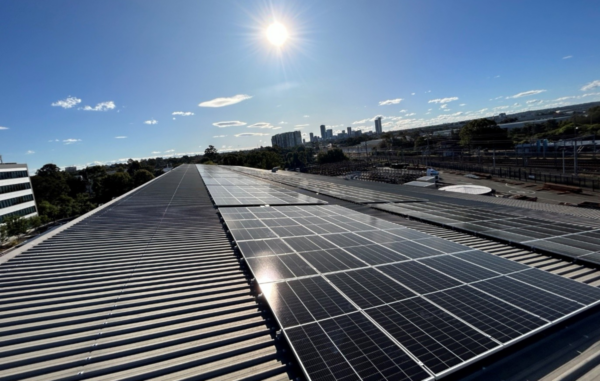
Image: Transport for NSW
NSW Transport for NSW Secretary Josh Murray said other significant reductions in energy demand has been achieved through initiatives like the 885 kW rooftop solar at the new Sydney Trains’ Mortdale train maintenance facility and the Clyde engineering hub.
“At Mortdale alone, 2,000 solar panels have been installed, generating 1,317 MWh of clean renewable electricity and avoiding around 870 tonnes of carbon emissions per annum, while reducing the amount of electricity that needs to be bought from the grid.”
This content is protected by copyright and may not be reused. If you want to cooperate with us and would like to reuse some of our content, please contact: editors@pv-magazine.com.


By submitting this form you agree to pv magazine using your data for the purposes of publishing your comment.
Your personal data will only be disclosed or otherwise transmitted to third parties for the purposes of spam filtering or if this is necessary for technical maintenance of the website. Any other transfer to third parties will not take place unless this is justified on the basis of applicable data protection regulations or if pv magazine is legally obliged to do so.
You may revoke this consent at any time with effect for the future, in which case your personal data will be deleted immediately. Otherwise, your data will be deleted if pv magazine has processed your request or the purpose of data storage is fulfilled.
Further information on data privacy can be found in our Data Protection Policy.