





Yindjibarndi Energy Corporation (YEC) announced it has signed a memorandum of understanding (MOU) with BHP to explore potential large-scale power solutions that could support the miner’s operational energy needs in Western Australia.
YEC, a joint venture between the Yindjibarndi Aboriginal Corporation and Philippines-based renewable energy developer ACEN, said the non-binding agreement will see the two parties explore a range of potential power supply and infrastructure options, including scalable renewable power solutions aligned with BHP’s future energy requirements.
The areas of collaboration will include exploring power generation, transmission and infrastructure solutions to support the decarbonisation of BHP’s Pilbara iron ore business.
YEC Chief Executive Officer Craig Ricato said the collaboration recognises the company’s growing role as a renewable energy developer and independent power producer capable of supporting large, complex industrial energy systems in the Pilbara.
“As an Indigenous-led energy developer, our role is to bring together Country, capability and capital to support long-term regional decarbonisation and electrification,” he said. “We will continue to work collaboratively with traditional owner groups across the Pilbara to help ensure these opportunities deliver shared, enduring economic and social benefits for Indigenous communities.”
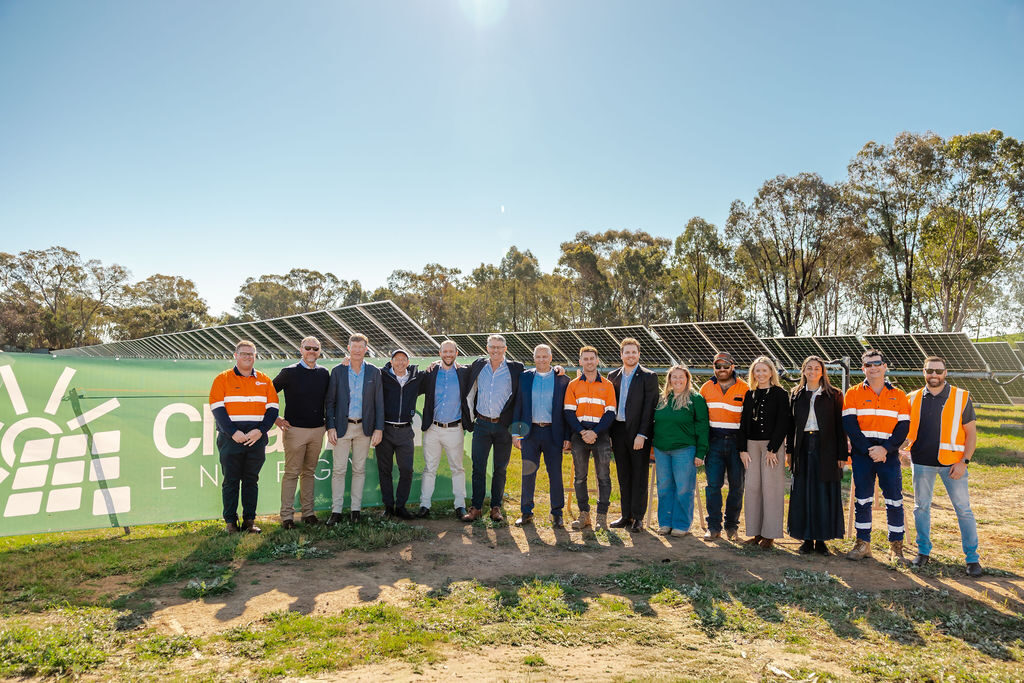
The announcement follows the signing earlier this month of a 30-year power purchase agreement between YEC and miner Rio Tinto for the Jinbi Solar Project, which is being built on Yindjibarndi country.
For BHP, the announcement comes as the miner’s decarbonisation strategy comes under increasing scrutiny with doubts surfacing about it meeting its pledge to reach net zero by 2050.
An investigation by the ABC and The Guardian reports that a May 2025 internal memo to senior executives confirmed that BHP’s sense of urgency to source renewables had “diminished” and its goal of achieving net zero in the Pilbara by 2050 had a “low probability of success.”
The report shows that BHP effectively shelved plans for a 50 MW solar and 20 MW battery project at its Jimblebar mine shortly after it was approved and funded by the board in mid-2023.
It also revealed a planned 500 MW solar, wind and battery project will not proceed in its current form and has been given no capital funding until 2031, missing its initially targeted 2027 start.
BHP, the mining industry’s largest diesel user, had also planned to replace its fleet of diesel trucks with electric haulage trucks beginning in 2027-28 but documents show it has continued to acquire diesel haulage trucks for long-term use.
Daniel Heal, vice president of Western Australia nickel and operational decarbonisation at BHP, said the agreement with YEC is an important step in exploring practical, large-scale energy solutions.
“Partnerships like this are key to unlocking the next phase of decarbonisation in the Pilbara,” he said. “Working with YEC allows us to explore practical, on-the-ground solutions that bring together energy capability, local knowledge and a shared commitment to long-term outcomes for the region.”
This content is protected by copyright and may not be reused. If you want to cooperate with us and would like to reuse some of our content, please contact: editors@pv-magazine.com.



By submitting this form you agree to pv magazine using your data for the purposes of publishing your comment.
Your personal data will only be disclosed or otherwise transmitted to third parties for the purposes of spam filtering or if this is necessary for technical maintenance of the website. Any other transfer to third parties will not take place unless this is justified on the basis of applicable data protection regulations or if pv magazine is legally obliged to do so.
You may revoke this consent at any time with effect for the future, in which case your personal data will be deleted immediately. Otherwise, your data will be deleted if pv magazine has processed your request or the purpose of data storage is fulfilled.
Further information on data privacy can be found in our Data Protection Policy.