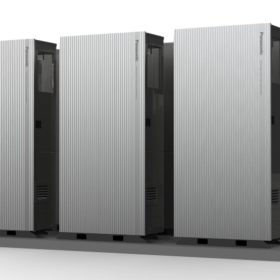
Panasonic launches 5 kW fuel cell system for commercial applications
The system has dimensions of 834×417×1,766 mm and weighs 205 kg including the design panel. It achieves an electrical efficiency of 56% and can be connected with a hot water storage unit.
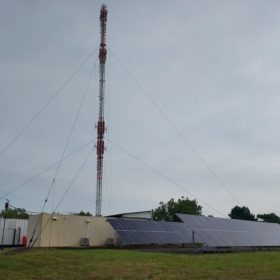
Solar-plus-hydrogen for air traffic control
A 19.8 kW PV system is powering a telecommunications antenna at a French air control centre. When it produces more energy than needed, the surplus is used to produce hydrogen which is then utilised to produce new electricity via a fuel cell system and provide power to the antenna during a period of up to five days. For short-term storage, lithium-ion batteries are used.

Saturday read: Keys to urban solar
Buildings are considered to be a major driver of emissions. In addition to the predicted billions of square meters of space that will be built across the world over the next decade, most developments standing today will still be around in 2050. Thus, retrofitting existing structures is seen as a key sustainability target. In the fourth quarter of 2021, pv magazine’s UP Initiative will focus on the role that solar and energy storage can play in greening the world’s urban spaces.
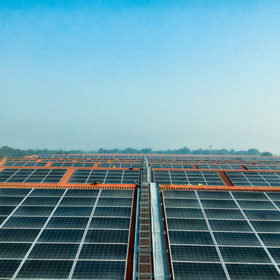
India added a record 521 MW of rooftop solar in Q2
The addition of 521 MW between April to June was India’s highest ever rooftop solar capacity installed in a single quarter.
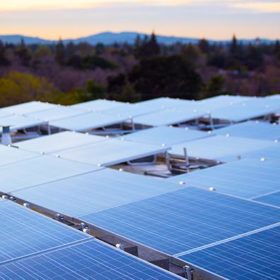
Price increases hit US solar
Price increases, supply chain disruptions, and a series of trade risks are threatening the U.S.’s ability to decarbonise the grid, warned SEIA president and CEO Abigail Ross Hopper.
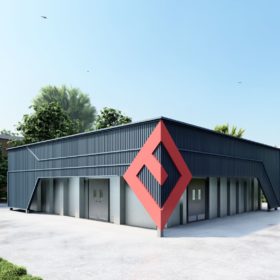
Off-grid solar-powered data centre headed for regional Victoria on expansion path
Queensland-based data centre operator Edge Centres has announced its first off-grid 100% solar-powered centre for Victoria, taking the new company’s centre total to five as it forges ahead with plans to transform regional Australia.
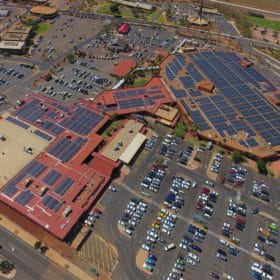
Rural Victorian medical centre joins the solar carpark push
East Grampians Health Service, located abut 200 kilometres west of Melbourne, will install a 174 kW system on the roof of its carparks after receiving funding from the Victorian government’s Building Works package.
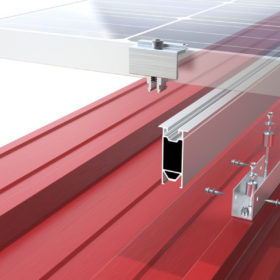
New mounting system for rooftop PV, from Austria
The mounting structure relies on a 5.8m long support rail that does not lie on the roof but is connected directly to a purlin placed below with self-drilling support screws.
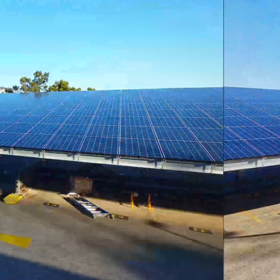
Solar carpark now powering Wollongong’s council
Wollongong council’s administration building is now being powered, at least partially, through a 200 kWp+ solar carpark.
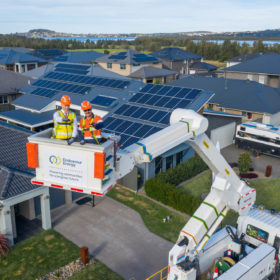
Solar could supply 77% of Australia’s electricity demand by 2026
Australia’s solar uptake is now forecast to reach 8.9 GW by 2025, on top of the 14 GW already installed, according to the Australian Electricity Market Operator.