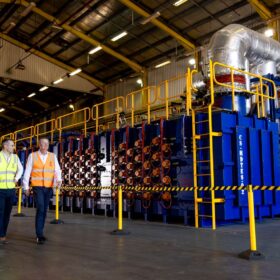
Elon Musk wins SolarCity lawsuit, avoids $2.8 billion judgment
Business magnate Elon Musk has avoided what would have been the largest judgment in US history on an individual executive.
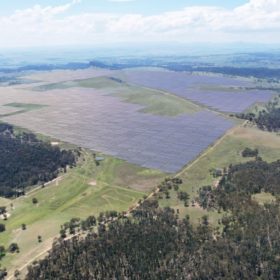
Maoneng reveals plans for 950MW solar-battery project
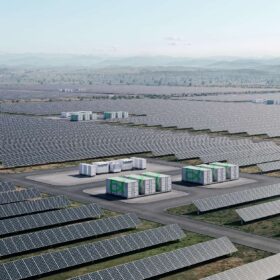
Australian energy developer Maoneng has unveiled ambitious plans to build an almost 1GW solar PV farm and battery energy storage facility in regional New South Wales.
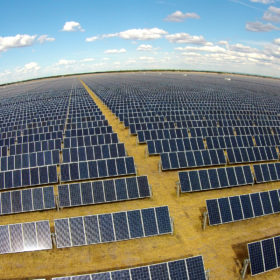
Origin Energy buys up 900 MW Yarrabee Solar Farm
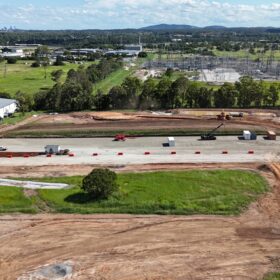
Origin Energy’s ambition to accelerate the growth of its renewable energy portfolio saw progress this week with the acquisition of the pre-construction 900 MW Yarrabee Solar Farm. Origin’s new renewable expansion strategy took shape after conceding in 2021 that its fossil fuel business was haemorrhaging under the strain of low renewables prices.
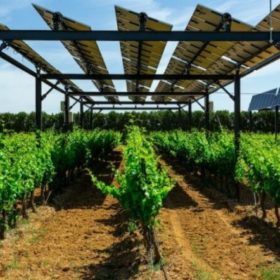
France defines standards for agrivoltaics
France’s environmental agency Ademe has released a set of new guidelines that clearly define “agrivoltaics.”

Photovoltaics vs. nuclear power on Mars
Solar might be more efficient than nuclear energy to supply power for a six-person extended mission to Mars that will involve a 480-day stay on the planet’s surface before returning to Earth, according to new US research.
Solar panel glut causing messy ‘false economy’
Global solar supply chain issues and the Chinese energy crisis which hit in the second half of last year have, ironically, led to a “massive” oversupply of solar panels in Australia, according to major distributors. The tension between increased global panel costs and the glut of them within Australia has led to some messy pricing and strange market dynamics on the ground.
180 MW solar farm and possible battery unveiled for Queensland’s Western Downs
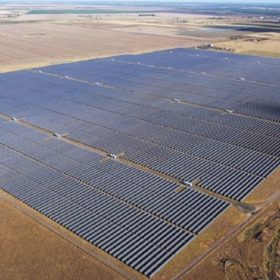
Developer Renewable Energy Partners has announced plans for a 180 MW solar PV project, possibly with a battery storage system, in the Western Downs region of Queensland.
Over half of Australian solar installers move into storage as top industry brands named
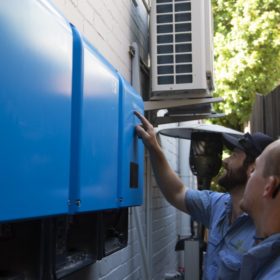
The amount of solar installers offering storage solutions grew considerably in 2021 and promises to surge again this year, according to an annual survey by EUPD Research. The research centre has also released the top three 2021 brands for solar modules, inverters and storage in the Australian market, offering insights into where companies are buying equipment and which segments are seeing the most growth.
Full extent of Sun Cable megaproject revealed
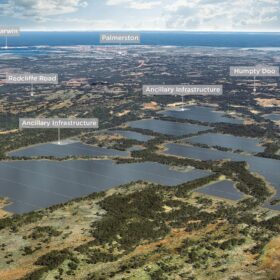
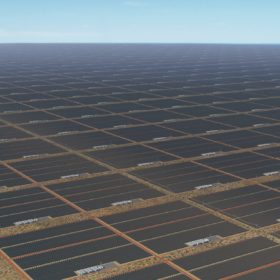
Singapore-based Sun Cable has submitted its Environmental Impact Statement to the Northern Territory Environment Protection Authority. The document reveals the full extent of the project’s enormity, specifically a 17-20 GW solar farm tied to 36-42 GWh of battery energy storage, which is set to be transmitted by subsea cables to Singapore.
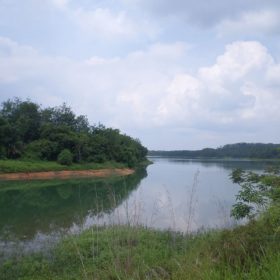
Malaysia’s water reservoir to host 150 MW floating solar plant
The floating facility will be built by Japan’s Shizen Energy and will sell power under unspecified conditions to local utility Syarikat Air Melaka Bhd (SAMB).