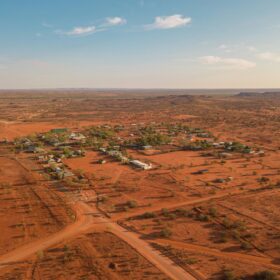
Research questions why microgrids are not ‘the norm’ in remote Australia
Researchers from four Australian universities have released a new paper questioning why solar microgrids are not ‘the norm’ in remote Central Australia, while energy insecurity prevails in very remote Aboriginal households.
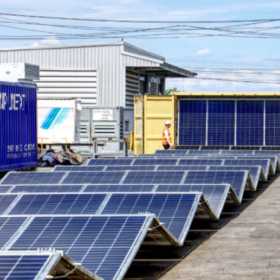
Remote hybrid solar and battery system targets replacement of diesel power
A Western Australia-based hybrid solar and battery system developer has demonstrated its hybrid units deployed in remote locations for businesses and communities can potentially replace around 150 litres of diesel per day.
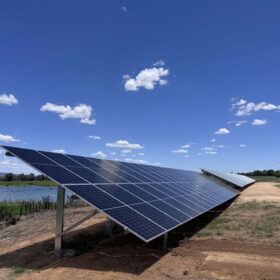
Smooth sailing for solar installation at Cowra water treatment plant
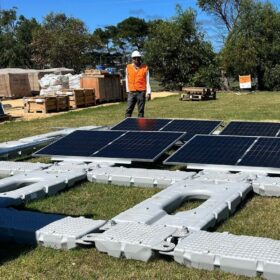
Residential and commercial solar installatoin company, Mondiaux Solar has completed its first 100 kW ground mounted solar system with a 27 kW rooftop system to power a water treatment plant for the regional New South Wales town of Cowra.
Year in review: Solar and storage trends in 2024
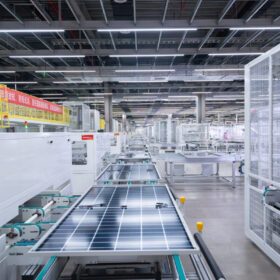
In five key trends, pv magazine looks back over a year that saw PV module prices fall lower than many thought possible, while demand was restrained by grid congestion, among other challenges. Energy storage has had a strong year and geopolitics is seeing solar and battery manufacturing enter new regions as competition drives technical innovation.
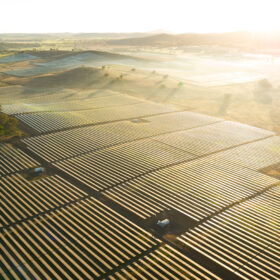
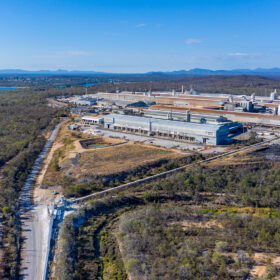
Goulburn River solar farm NEM connection works announced by Transgrid arm Lumea
The commercial arm of Transgrid, Lumea, will connect one of New South Wales’ largest solar farms to the grid, providing a major boost to the state’s transition to renewables with enough clean energy to power nearly a quarter of a million homes.
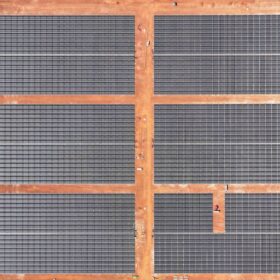
Total renewable energy capacity CER approved in 2024 almost double of 2023
The Clean Energy Regulator has released the November 2024 large-scale renewable energy target market data showing that 4,156 MW from 506 power stations was approved in 2024, with 510 MW in November 2024 alone, up from a total of 2,206 MW in 2023.
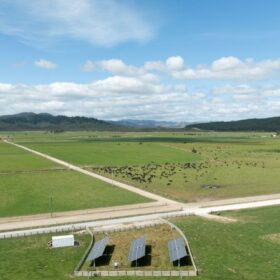
Kiwi joint venture plans New Zealand’s biggest solar farm on North Island
Aotearoa New Zealand’s Nova Energy has partnered with gentailer Meridian Energy to build the 400 MW Te Rahui solar farm, to become the country’s largest, while more solar projects are expected to quickly come on line following the government’s passing its fast-track approvals bill into law.
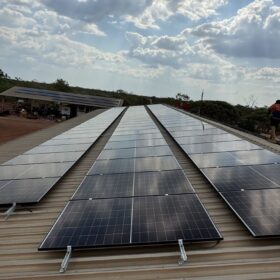
Remote businesses swap diesel generation for off-grid clean energy subscriptions
An alliance of clean energy companies are establishing off-grid solar arrays and battery storage units in remote communities to enable local businesses to source reliable renewable energy by subscription.
Kiwi developer’s 20 MW solar array to power 2,000 homes from 2025
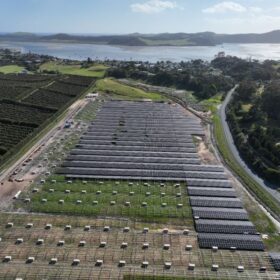
Aotearoa New Zealand developer Far North Solar Farm has 70% of modules installed at its 20.8 MW Pukenui solar farm, earmarking early 2025 to start generating electricity.
Four key lessons the renewable industry should take away from 2024
There are four key Lessons the renewable industry to take away from 2024, cover storage, solar, and everything in between