Renewables surge to record share in NEM
The share of renewables in Australia’s main electricity grid has reached a new high, with rooftop and grid-scale solar, wind and hydro combining to deliver more than 70% of the total underlying demand on Wednesday.
GoodWe launches specialised carport solar panel in Australian market
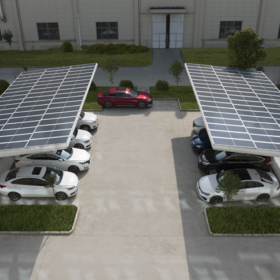
Chinese company GoodWe will now be offering specialised carport solar panels to the Australian market, which it says are designed to overcome issues around water drainage and wiring.
AEMC proposes raising price caps to ensure market reliability over energy transition
The Australian Energy Market Commission (AEMC) has proposed increasing price caps on the country’s main electricity market. This is meant to allow investors to respond to fill gaps created by ageing coal generation.
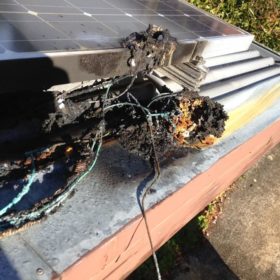
Substantial increase in solar fires caused by DC isolators recorded in state data
Data shows a sharp increase in the number of fires caused by the DC isolators that separate the grid from solar panels. ABC News gathered state-by-state data revealing a dramatic increase in fire incidents in the last 12 months.
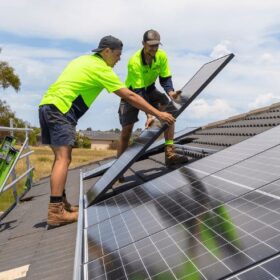
Adding rooftop solar to social housing tenants brings equality, savings
Modelling from UNSW and the Australian PV Institute has found governments investing in rooftop solar for state-owned and NGO-owned social housing would save low-income tenants money, deliver returns within just a handful of years, and support the grid with new generation.
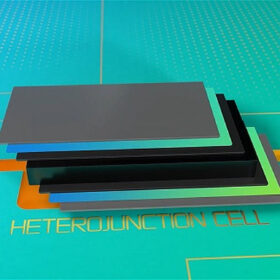
REC launches 470 W heterojunction solar panel with 22.6% efficiency
REC has developed a new series of heterojunction solar panels with efficiencies up to 22.6% and an operating temperature coefficient of -0.24% per degree Celsius.
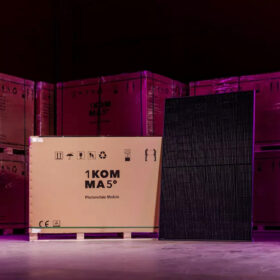
German ‘ethical, low carbon’ solar panel range hits Australian market
1Komma5°, a German startup aggressively expanding in Australia, has now begun taking Australian orders for its own line of “ethical, low carbon” solar panels.
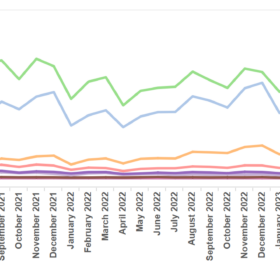
‘First time’: solar system prices trend into new territory, leads diverge from customers proactivity
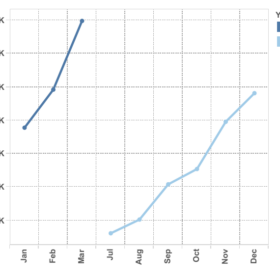
For the first time, 10 kW solar systems have now become cheaper than the 6.6 kW range on a per kilowatt basis, SunWiz analysis has found. Plus, solar lead generation is up even though fewer customers are proactively searching for systems.
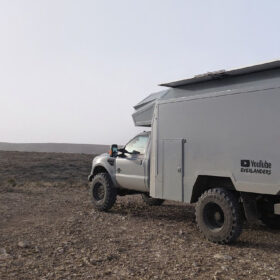
Weekend read: 100% solar offgrid, 100% on wheels
Jason and Kara are Canadian overlanders from the “Everlanders” channel on YouTube. Overlanding is self-reliant travel on the road, driving to remote places across international borders. pv magazine caught up with Jason between legs of their latest road trip.
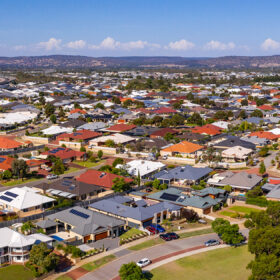
WA looks to modernise electricity sector rules
The Western Australia government has introduced new legislation to parliament as it seeks to integrate distributed energy resources such as small-scale solar and residential batteries more efficiently into the state’s electricity grid.