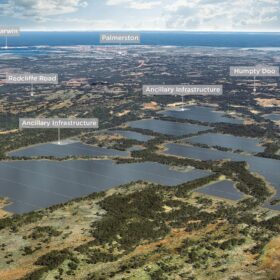
Canadian Solar lands NSW approval for 250 MW solar farm and 600 MWh battery
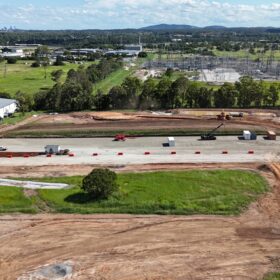
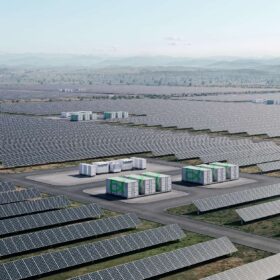
The New South Wales government has given final planning approval for a 250 MW solar farm and 150 MW / 600 MWh battery energy storage system being developed by Canadian Solar in the state’s Southern Tablelands region.
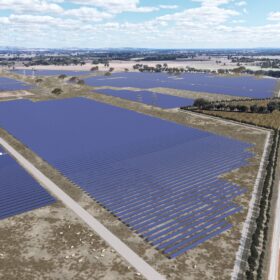
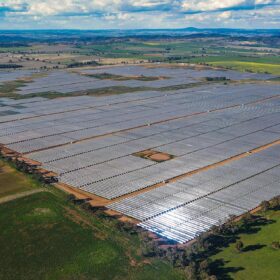
1.4 GW of new renewable generation gets go-ahead for construction
Investment in large-scale renewable energy generation continues to trend upwards in Australia with more than 1.4 GW of new solar and wind projects, worth $3.3 billion, reaching financial commitment in the third quarter of 2024.
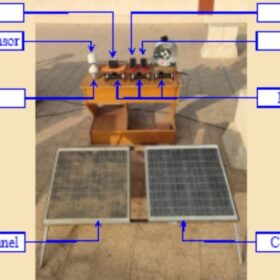
Anti-soiling coating increases PV panel current in arid regions by 64.7%
Scientists in Egypt have created an anti-soiling coating for solar panels by mixing ethanol, deionized water, ammonium hydroxide and tetraethyl orthosilicate. They tested a coated panel outdoors for ten months and found that the panel showed a 64.7% higher current compared to reference modules without coating.
Denmark-backed renewables developer plans multiple solar and battery projects
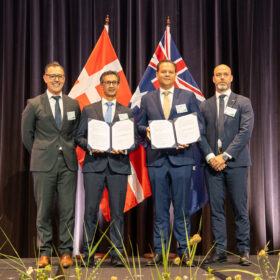
A 2 GW+ solar and battery project near the New South Wales outback town of Cobar is one of multiple projects planned by new Australian subsidiary, called Voyager Renewables, of Danish clean energy investment company, Copenhagen Infrastructure Partners.
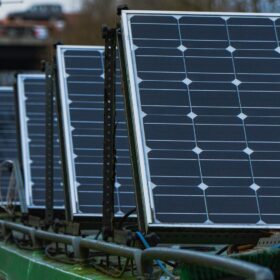
Research shows tilt angles over 30 degrees delay solar module thermal failures
A Chinese-Italian research team has analysed the influence of different tilt angles on the thermal failure of the photovoltaic facades or roofs in fire conditions, finding that when the tilt angle exceeds 30 degrees, the time to failure increased significantly.
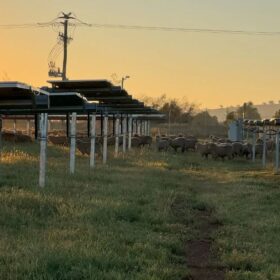
Study showcases potential of solar farms to complement agricultural practices
A study on the potential benefits of co-locating solar energy generation and sheep grazing shows those that graze in the shade of solar panels may produce better quality wool than those on traditional agricultural properties.

Trina targeting Australian-made solar modules by 2027
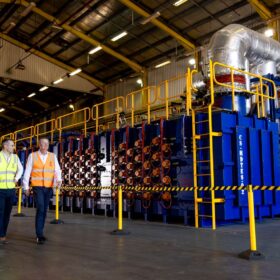
Chinese manufacturing giant Trinasolar says it could be making panels in Australia as soon as 2027 as part of its joint-venture plans with Sydney-based PV innovator SunDrive Solar.
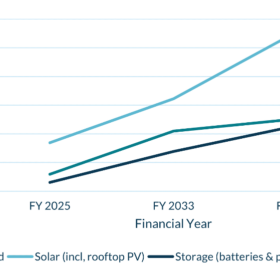
Cornwall tips 150 GW renewables boost for NEM within two decades
Australia’s main electricity grid is predicted to increase its solar, wind, and energy storage capacity by more than 150 GW by 2043 according to new projections published by energy market consultancy and research group Cornwall Insight.
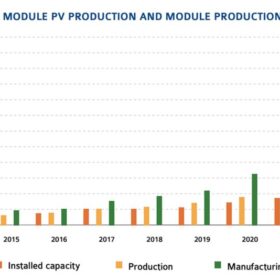
Solar manufacturing facing substantial pressures, says IEA-PVPS
The International Energy Agency Photovoltaic Power Systems Programme says in its latest report that 2023 was a record-breaking but tumultuous year for solar development. It says the manufacturing industry faces pressure from supply-demand imbalances, with overcapacity causing prices to collapse.
Utility-scale solar additions hit 46.8 GW since start of 2023, says Wiki-Solar
PV data consultancy Wiki-Solar says the world’s top solar developers have added nearly 50 GW of new solar capacity since early 2023, raising their cumulative capacity to 146.7 GW – more than one-fifth of the global total.