Jinko posts strong increase in shipments for 2017, but lower profits
Last year, the Chinese module maker shipped 9.8 GW, and achieved revenue of $4.0 billion. Both gross and net profit, however, declined due to lower ASPs, higher polysilicon prices and increased output from OEM partners.
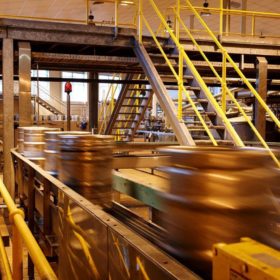
Corporate PPAs continue to surge as CUB signs 12-year PPA with BayWa r.e.
Major Australian brewer Cartlon United Breweries (CUB) has signed a 12-year PPA with BayWa r.e. to purchase 74,000 MWh a year from the 112 MW Karadoc solar farm in Mildura. The move will cut emissions and reduce power costs for the brewer.
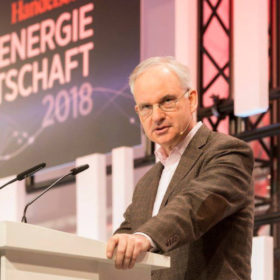
Eon plans to take majority share in Innogy
Eon has announced plans to take over a 76.8% stake in the German utility, RWE’s renewable energy spin-off, Innogy. The acquisition is part of a far-reaching agreement between the two, which envisages redistributing operations so that RWE focuses on the renewable energy business, while energy networks and customer solutions would be the responsibility of Eon.
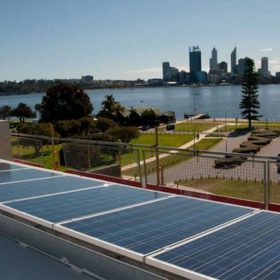
Report: Full retail contestability plans for WA on hold
Western Australian households and small businesses may have to continue to rely on Synergy for their electricity. Media reports indicate that the WA Labor Government is backing away from plans to introduce full retail contestability (FRC) for residential and small commercial electricity consumers.
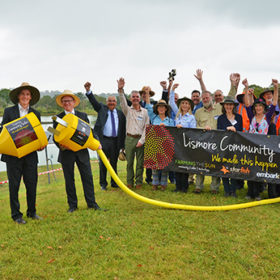
Study: Australian community renewable energy “new, but growing”
A new study led by University of Queensland researchers has revealed that community renewable energy projects are growing in Australia. Falling technology costs are empowering groups of people ordinarily unable to become ‘prosumers’ to get involved in the energy market.
Chile’s energy regulator to use Blockchain
The Chilean National Energy Commission will become the country’s first public entity to use Blockchain technology. The new program will begin in March.
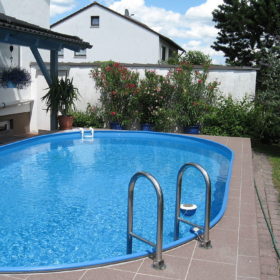
Smart swimming pool pilot wins $2.5 million ARENA grant
A New South Wales energy management company has won ARENA’s funding for a smart swimming poll pilot project, which holds a promise to both manage peak demand and save pool owners up to 30% of their household electricity use.
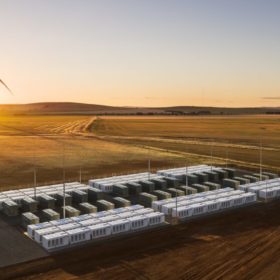
South Australia to host another big battery near Snowtown
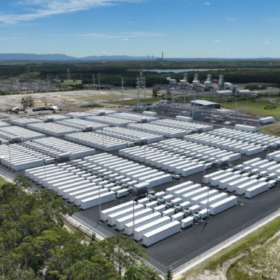
With all eyes still on the world’s largest lithium-ion battery at the Hornsdale wind farm, South Australia now readies to raise the game with its first big battery built in conjunction with a solar farm.
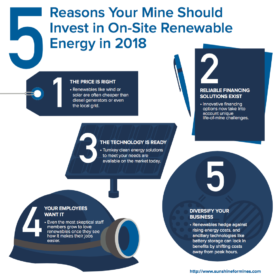
5 reasons your mine should invest in on-site renewables in 2018: Key lessons learned from the first 1 GW installed
Rocky Mountain Institute As of 2016, approximately 1 gigawatt of renewable energy capacity has been installed on mine sites globally, and current projections show that number reaching more than 1.4 GW in the next five years. What’s causing this shift in the mining industry? And does your company risk getting left behind? What can you do now to keep […]

US solar tariffs to have little impact on Australian module prices
Australian PV project developers and rooftop installers are unlikely to benefit from module price declines as a result of U.S. solar tariffs. GTM Research analysis reveals that while the tariffs will likely cause an American solar market decline of 11% in 2018, it will not leave Chinese suppliers scrambling to find buyers.