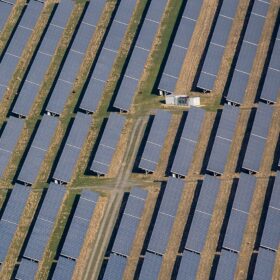
A terawatt of solar module capacity expected within 16 months
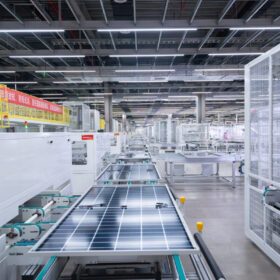
Clean Energy Associates projects that major Chinese manufacturers will achieve a global solar module manufacturing capacity of 1 terawatt by the end of 2024. Furthermore, this capacity is projected to hit that same mark within China’s borders by 2025.
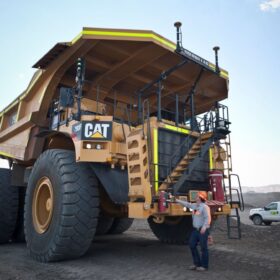
Report exposes Australia’s biggest fossil fuel subsidy and how mining industry could be better served
A new report by Climate Energy Finance has revealed Australia’s diesel Fuel Tax Credit Scheme disincentivises growth in future industries and will cost taxpayers $37 billion (USD 23.8b) in lost tax revenue by 2030. The report also illustrates how capping these rebates represents a multifaceted advantage for Australian manufacturing of low and zero-emission mining vehicles.

Overcapacity hammering solar stocks
BloombergNEF Senior Analyst Jenny Chase and Aurora Energy Research Renewables Lead Rebecca McManus speak with pv magazine about financial market trends for solar companies and the role of overcapacity as a driver of turbulence in the industry.

Zen Energy garners $54m in fresh debt funding
The $54 million (USD 34m) raise for Zen Energy, managed by Western Australian Property developer Hesperia and ASX-listed Income Asset Management, is the first tranche of around $150 million that Zen Energy is aiming to raise for its pipeline of projects.
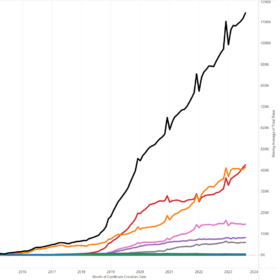
Australia’s large-scale segment stagnates
The figures for large-scale certificates registrations across most of Australia this year are dismal, despite the nation adopting a far brighter policy landscape. “There’s a very large discrepancy between rhetoric and what’s actually occurring,” Sunwiz managing director Warwick Johnston tells pv magazine.
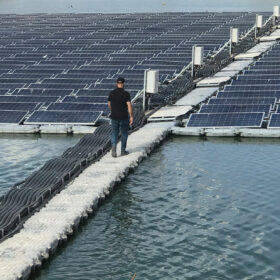
Philippines to build new 100 MW floating solar power farm
Zonal Renewables plans to construct a new 100 MW floating solar project on a 90-hectare fishpond in the Philippines, in Cadiz, Negros Occidental province.
Malaysian oil-backed company targets up to 8 GW in Australia, latest international player to invest multi-billions
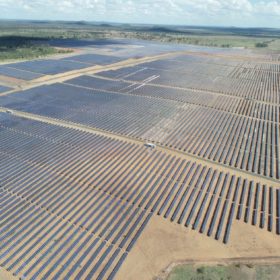
Gentari, a subsidiary of Malaysian state-owned oil company Petronas, plans to build between 5 GW to 8 GW of solar, wind and battery projects in Australia by 2030. The ambition follows its acquisition and rebranding of Wirsol Energy, which marked the Malaysian company’s entry into the Australian renewable energy market.
‘No transition policy is going to be realised with current strategies’: shifting focus to existing grid’s untapped 10 GW
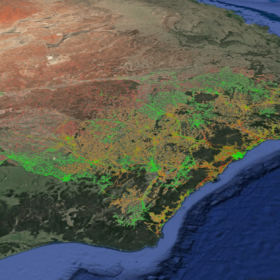
New digital modelling technology has made visible 10 GW of untapped capacity in Australia’s existing electricity networks. “That 10 GW number is probably achievable without any meaningful incremental cost investment,” Neara cofounder Jack Curtis tells pv magazine Australia. “This is something that’s really only come into awareness of policy makers, and even the private sector, in past six months.”
How to build, finance product stewardship scheme for solar panels
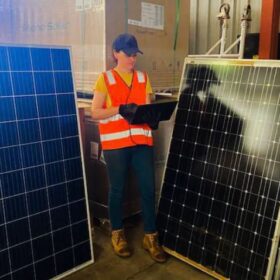
Researchers in Australia have provided a series of recommendations to set up regulatory frameworks for PV module recycling and reuse. They said that, as a rule of thumb, landfill bans, tracking of the panels’ serial numbers, and a clear definition of ownership should always be included in the legislation for end-of-life solar products.
Thermal storage company approved to build renewable and agriculture precinct in central NSW
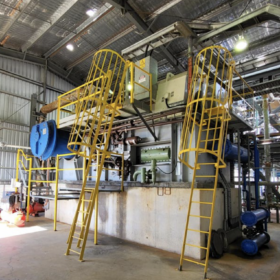
Australian thermal storage company, Graphite Energy, has received development approval for a $29 million (USD 18.6 million) sustainable energy precinct in Lake Cargelligo, in the mid-west of New South Wales.