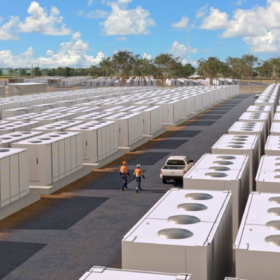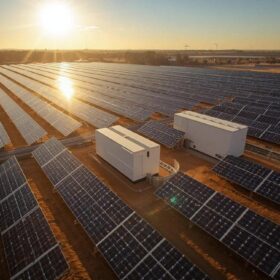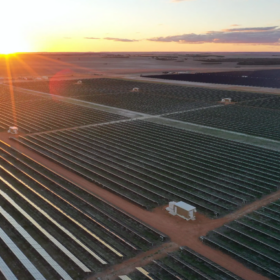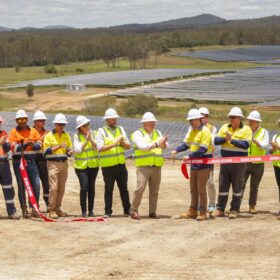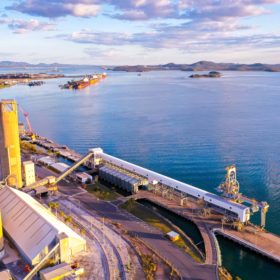
Moah and Moah hybrid energy projects from Energy Estate
A couple of years ago Central Queensland, at the heart of coal country and the nexus of manufacturing opportunity, became a beacon to energy advisory firm Energy Estate and international renewables developer RES. Moah Creek Renewable Energy Project, the first stage of their gigawatt-scale firmed renewable energy project is about to be introduced to the community.
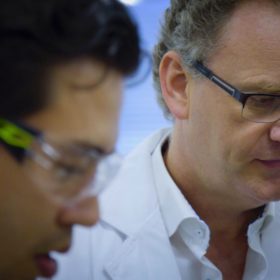
How zinc-bromide innovators Gelion found a way to cheaply manufacturer batteries in Australia
Sydney-founded battery company Gelion Technolgies today announced its partnership with lead-acid battery manufacturer Battery Energy Power Solutions. The news reflects a significant adjustment of the company’s battery design and business strategy, which is seeking to leverage industry shifts.
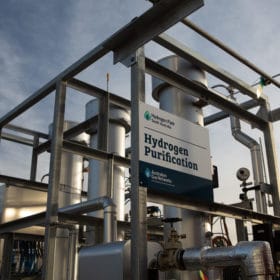
Two new hydrogen platforms launch to couple industry with customers
Two hydrogen platforms have launched in Australia to connect hydrogen producers with consumers, ultimately trying to catalyse projects and the industry more broadly. The first, NERA’s HyCapability, maps hydrogen capability across Australia, while the other focuses on New South Wales and the developments of its hydrogen hubs.
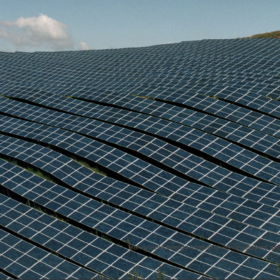
New net-zero-pursuing investors change Australia’s renewable-energy development game
Imperatives meet opportunity. Corporate and utility goals for sustainability are driving a new group of investors to pick up the Australian renewable-energy resource and run with it. A new PwC report outlines how the new investor-developer partnerships could work.
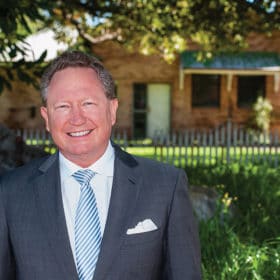
Australian firm partners with JSW Energy on green hydrogen projects in India
Australia-based Fortescue Future Industries has partnered with JSW Energy arm on green hydrogen production and application in India.

Victorian council to pass solar system’s savings on to community group
Mildura Rural City Council will install a solar system with up to 99 kW of capacity at its Mildura South Regional Sporting Precinct, which is currently under construction. A spokesperson for Mildura Council told pv magazine Australia 50% of the system’s savings will be provided to a local group to deliver its ongoing sustainability programs for the community.
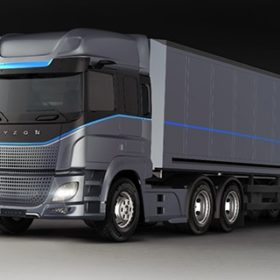
Aussie-headed fuel cell vehicle company inks deal with zinc giant, laying ‘foundation for an emissions-free future’
Hydrogen vehicle maker, Hyzon Motors, has signed an agreement to deliver five fuel cell-powered heavy-duty trucks to Ark Energy Corporation, the Australian subsidiary of the world’s largest zinc, lead, and silver producer, Korea Zinc Ltd.
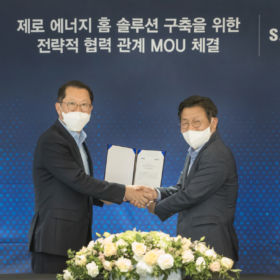
Q Cells, Samsung sign ‘zero energy home’ partnership
Q Cells and Samsung have agreed to combine their hardware and software platforms to develop ‘zero energy homes,’ with on-site energy production and use.
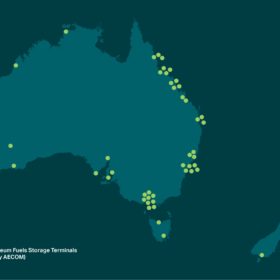
Overlooked sites ideal for burgeoning renewable industries identified by AECOM
Global infrastructure developer AECOM has run analysis on every petroleum fuel refinery and storage & import terminal in Australia and New Zealand as a novel means of locating sites well suited to future renewable development and hydrogen industries. “Some sites that were really suited to a wide range of end uses and those were our so-called ‘unicorn sites,’” AECOM’s Craig Bearsley told pv magazine Australia.
Q Cells, Samsung sign ‘zero energy home’ partnership
Q Cells and Samsung have agreed to combine their hardware and software platforms to develop ‘zero energy homes,’ with on-site energy production and use.