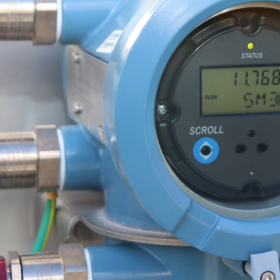
Western Australia gas utility achieves 10% renewable hydrogen blend milestone
Western Australian gas utility ATCO Australia has achieved a network distribution blend of up to 10% solar powered electrolyser-made renewable hydrogen to 3,000 homes.
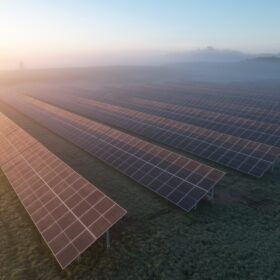
Trinasolar develops agrivoltaic site with Kiwi clean energy solutions companies
China-headquartered solar and energy storage solutions company Trinasolar is developing a dual-use site with New Zealand-based engineering, procurement and construction company Kiwi Solar and commercial solar solutions company Trilect.
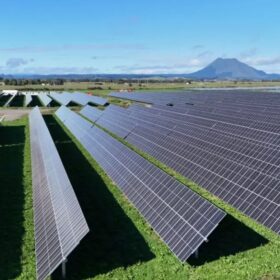
NZ to step up approvals process for large-scale PV projects
Ten large-scale solar farms planned for New Zealand’s North and South islands are among 22 renewable energy projects with a combined capacity of 3 GW that have been listed for inclusion in the government’s “one-stop shop” fast-track approvals process.
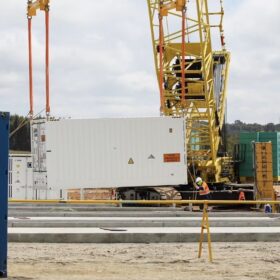
Synergy’s 2000 MWh Collie battery powers toward 2029 closure of local coal mines
Western Australian government-owned utility Synergy has installed the first 80 of 640 containerised battery units assigned to its Collie battery energy storage system, located 16 kilometres northeast of coal mining town Collie and 200 kilometres south of Perth.
Home solar and battery installs wanted by most Australian households: survey
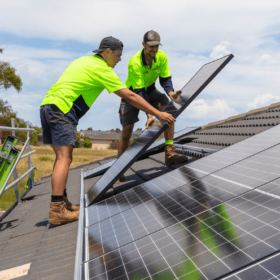
A new household energy survey suggests 68% of home and property owners would spend up to $10,000 on rooftop solar and residential battery installation costs if it meant they could save $2,000 a year on bills.

Sydney tech company signs digital twin modelling deal with USA utility
Sydney-headquartered climate-tech platform Neara has signed a deal with United States energy provider CenterPoint Energy, to use artificial intelligence and machine learning modelling capabilities, to improve the utilty’s extreme weather infrastructure resilience.

Horizon taps Pacific to power Exmouth with 80% renewables
Remote power supplier Pacific Energy has signed a multi-year agreement with West Australian regional energy provider Horizon Power to supply the popular tourist town of Exmouth with up to 80% renewable energy every year for the next 20 years.
Historic coal mining city makes switch to 100% renewables
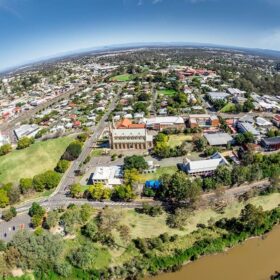
The historic Queensland coal mining city of Ipswich has made the shift to renewables with state-owned owned energy company CleanCo striking a deal to power the local council’s infrastructure with 100% renewable energy.

120 MW solar farm in far north New Zealand gets green light
New Zealand-headquartered utility Meridian Energy has been granted resource consent to build a 120 MW solar farm in Tai Tokerau Northland, 140 kilometres north of Auckland and is Stage 2 of its Ruakākā Energy Park.
Australian’s clean energy optimism high but future reliability a concern: survey
A 10-country, intergenerational survey has found Australians are willing to adopt renewable energy initiatives, but worry about its affordability, reliability, and understanding about clean energy, particularly among older generations.