16.3 tonnes of valuable material recovered by Livium battery recycling project
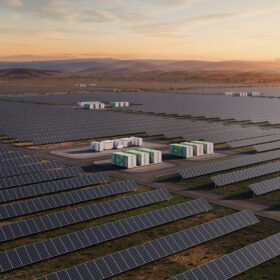
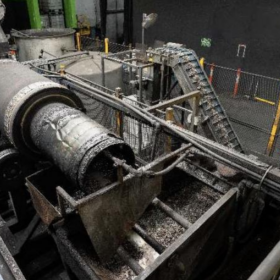
Livium has completed a battery recycling project for Synergy’s Alkimos Beach community battery energy storage system in Western Australia, processed through a domestic end-to-end recycling pathway.
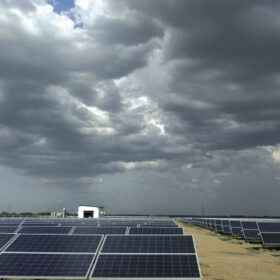
South Korea’s first agrivoltaics law leaves half of farmland off-limits
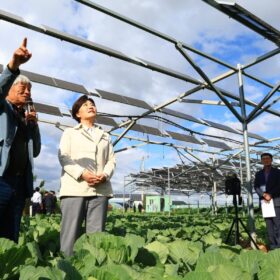
South Korea’s National Assembly has passed the country’s first dedicated agrivoltaics legislation, enabling dual use of agricultural land for solar power generation, but the law excludes zones covering nearly half of the country’s farmland, according to a Seoul-based nonprofit group focused on energy transition.
Home battery subsidies favour wealthy, call for fairness
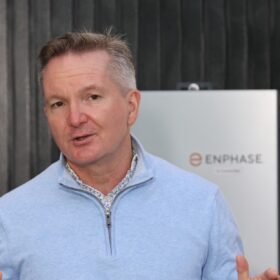
Australia is in the grip of a record-breaking battery rush. Last week Energy Minister Chris Bowen announced that more than 380,000 home batteries have been installed since July last year. That’s over 100,000 more than the total installed between 2020 and mid-2025. The reason for the rush: government subsidies, which cut the upfront cost by about 30%.

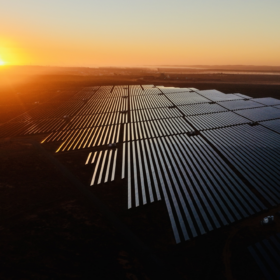
Genex modifies Bulli Creek Stage 1 from 775 to 300 MW solar, adds 1.7 GWh BESS
Genex has announced plans to reconfigure the first stage of its 2.5 GW Bulli Creek multi-stage development in Queensland, from a 775 MW solar farm to 300 MW, adding a 425 MW / 1,700 MWh battery energy storage system.
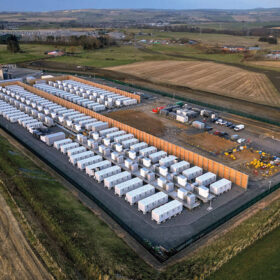
Grid-forming tech on centre stage as search for system resilience steps up
Maintaining grid stability becomes more challenging as the share of intermittent renewables grows in the electricity generation mix, but system resilience is essential to continued solar deployment. Grid-forming inverters offer a solution, and their capabilities are increasingly being tested and relied upon in key energy markets globally.
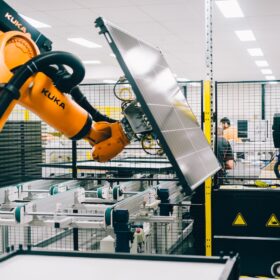
Federal Budget cuts almost $2 billion from clean energy programs
The Australian government has in its latest Federal Budget stripped almost $2 billion from programs designed to accelerate the rollout of new clean energy systems.
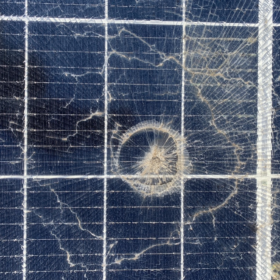
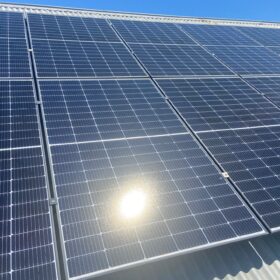
Recycling is missing piece in Australia’s solar success story
In our collective enthusiasm for renewable energy, Australia now has installed millions of solar panels and inverters on roughly one in three homes. This is one of the most impressive renewable energy stories in the world and a case study in how effective it can be as an investment across the nation.
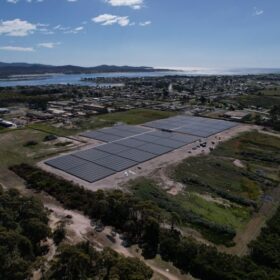
Asian investment fund fires up Climate Capital growth plans
Hong Kong-headquartered private equity firm Gaw Capital Partners has joined forces with Australian renewables developer Climate Capital as it seeks to advance an estimated $200 million pipeline of solar and storage projects.
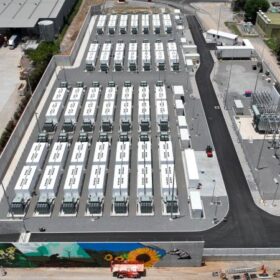
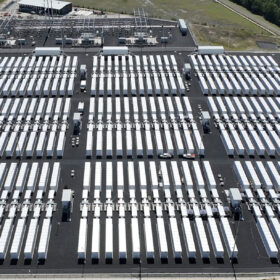
BloombergNEF confirms energy storage has reached the 100 GW era
The energy storage industry has reached the 100 GW era, with BloombergNEF’s Energy Storage Market Outlook for 1H 2026 confirming that 112 GW was installed globally in 2025.
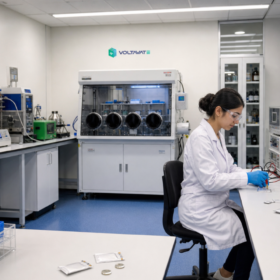
Voltavate plans Melbourne facility to transform battery manufacturing
Australian battery technology startup Voltavate will build a new base in Victoria to advance its novel approach to battery manufacturing and accelerate the transition from laboratory development to real-world production.