Trina Solar scoops recognition for environmental standards
Technical innovation and solar module production at scale bring with them the opportunity to integrate environmental responsibility. One major manufacturer is reaping returns on its investment.

510,000+ Victorian homes now saving with solar
After a rocky start the Victorian Labor Government’s ambitious Solar Homes program gets the rebate recipe right and celebrates a major milestone in the push to have 50% renewable energy in its grid by 2030.
Weekend read: Big, and then bigger
Throughout 2020, a fast-moving story played out in PV module technology, with the introduction of larger wafers and subsequently larger module formats seeing the industry break into two camps, backing either 182 mm or 210 mm wafers. It remains to be seen whether one or the other will become a new industry standard, and both sizes will likely be plentiful on the market for the next few years at least. pv magazine takes a look at how we got to this point.
Microgrid powers ahead with embedded network plan
Electricity retailer Microgrid Power is starting from scratch but plans to have a “substantial” portfolio of embedded solar PV networks, ranging in capacity from 100-300 kW each, established across Australia by the end of 2021.
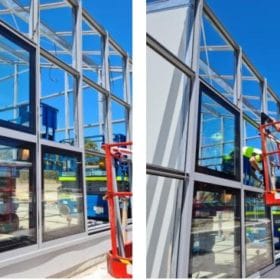
ClearVue’s solar glass installation gets green light
Western Australia-based solar glass developer ClearVue has commenced installation of its transparent solar PV glazing panels at what will be the world’s first clear solar glass greenhouse.
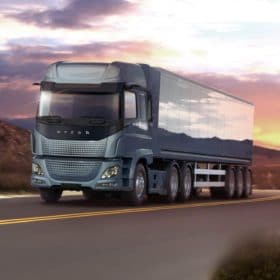
Pure Hydrogen signs MoU to build refuelling network
Australia’s Pure Hydrogen – a division of ASX-listed Real Energy – has partnered with U.S.-based Hyzon Motors to develop a chain of hydrogen refuelling stations in Australia.
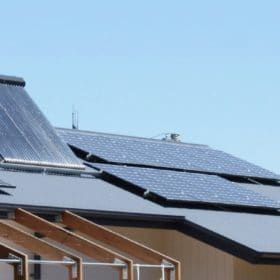
ACT’s rooftop solar boomed in 2020
The Australian Capital Territory’s latest Feed-in Tarrif report found that Canberrans are increasingly contributing to their territory’s 100% renewable energy supply thanks to the increasing uptake of rooftop solar.
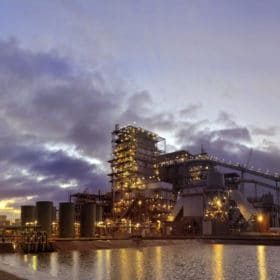
How Australia can phase out coal power while maintaining energy security
The end of coal-fired generation in Australia is inevitable. Zero marginal cost, zero emissions energy is now a reality. Wind and solar are cheaper sources of new electricity than coal in most cases, putting significant pressure on the profitability of the inflexible, ageing coal generators. The only questions are when coal-fired power stations will close and how well Australia will manage that phasedown.
Complementary hybrid PV systems can reduce reliance on storage
Looking back over years of research into the topic of hybrid systems based on different combinations of solar, wind, hydro and other renewables, an international group of scientists found strong potential for strategies to exploit complementarity between the different sources integrate more intermittent renewables onto regional and national grids. The scientists present a series of conclusions and recommendations that aim to push research in hybrid renewables forward.
AGL continues march towards 850 MW of large-scale battery storage
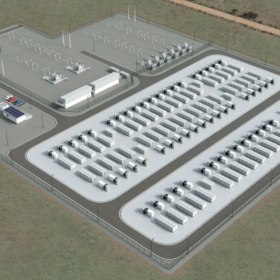
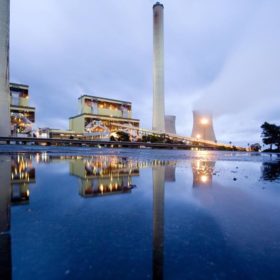
AGL remains on track to add at least 850 MW of new large-scale battery storage to its portfolio by 2024 after securing energy storage technology companies Fluence and Wärtsilä to supply up to 1 GW of grid-scale battery storage.