Tesla announces Australian telecom executive to replace Musk as board chair
No, Rupert Murdoch’s son will not be running the world’s largest EV maker.
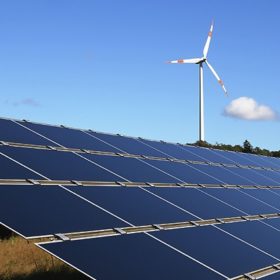
AEMO: Record quarter for renewables as large-scale solar floods electricity market
The amount of large-scale solar capacity that commenced generation during the third quarter of 2018 was higher than the NEM’s entire large-scale solar capacity at the start of the year, reports the Australian Energy Market Operator (AEMO). In other news, Western Australia has pass the 1 GW solar milestone, while South Australia has seen record levels of curtailment.
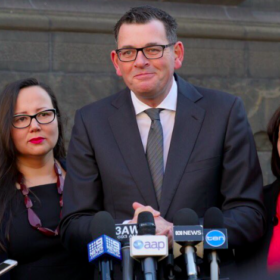
50% VRET by 2030 pledged
Half of Victoria’s energy could come from renewable energy source, as the Labor government has vowed to expand the state’ renewable energy target from 40% in 2025 to 50% in 2030, if re-elected.
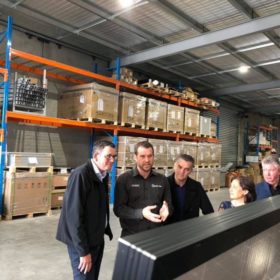
Victorian Labor unveils solar renter scheme
Victorian renters could be able to access rooftop solar power in a new scheme for renters unveiled by Labor leader Daniel Andrews and Lily D’Ambrosio. The announcement, made at Gippsland Solar in the LaTrobe Valley today, would provide $82 million in rebates over 10 years, targeting an initial 50,000 homes.

Democrats control the House. Now what?
The new Democratic majority in the House will still need to deal with a Republican Senate and president, and is unlikely to take bold action.
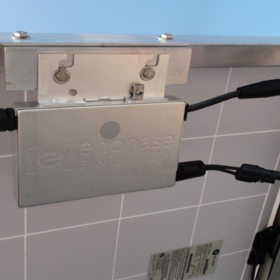
Enphase sold out into 2019, with improved margins
Enphase’s 3rd quarter results saw revenues at $78 million with an estimated $10 million sales shortfall due to a component shortage, as the company shipped 204 MW of inverters. Future speculation saw an international play on the IQ8, the SunPower partnership, and energy storage driving growth.
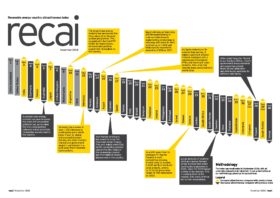
“Political upheaval” causes Australia to slip one place in EY renewables index
Australia has slipped from fifth to sixth place in EY’s biannual RECAI, citing “political upheaval” and the appointment of Angus Taylor as federal energy minister. The 52nd edition of the index, released today, has seen little movement among the top 10 countries, with Germany, the UK and Australia all falling one position.
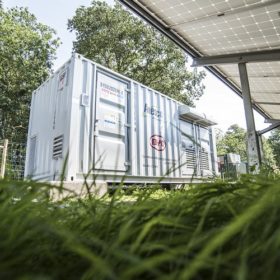
BNEF: Australia among leaders in $1.7 trillion energy storage market
Bloomberg New Energy Finance has significantly increased its forecast for global deployment of behind-the-meter and grid-scale batteries from now to 2040. The research company sees Australia among nine markets that will be driving this trend, as the economic case for batteries becomes unstoppable.
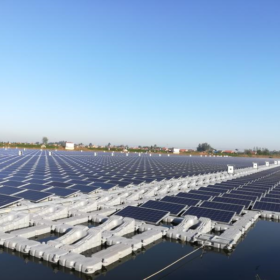
SMA supplies Myanmar’s largest PV project, 20 MW Chinese floating array
German inverter supplier SMA has picked up two landmark projects in the APAC region. The 50 MW Minbu Solar Park in Myanmar, the largest solar array in the country, will deploy SMA’s Sunny Central platform, while string inverters from SMA’s Chinese subsidiary Zeversolar have been installed at a 20 MW floating project in Jiangsu.
Canadian Solar privatization plans on ice
Last December, the company’s CEO made a proposed transaction offer to acquire Canadian Solar. Mulling the offer, a special committee has now advised the company’s board to cease its review of the proposal, highlighting that it could not find sufficient certainty in the CEO’s ability to secure the funding for the transaction. Following the news today the CEO has withdrawn his offer.