Sale of Sun Cable mega project attracts multiple bids
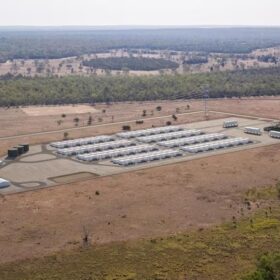
The sale of renewable energy developer Sun Cable, which is aiming to deliver the world’s biggest intercontinental solar and storage project in northern Australia, has received initial takeover offers from multiple investors, including prospective buyers that aren’t existing shareholders in the project.
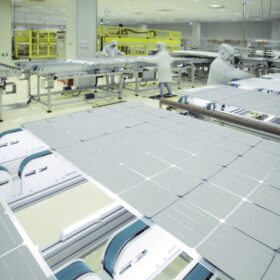
Longi reveals plans to open 5 GW solar module factory in US market
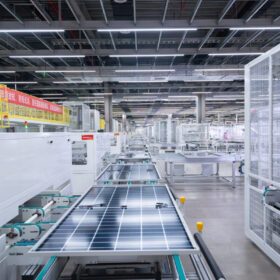
Chinese manufacturer Longi Solar is working with PV developer Invenergy to build a 5 GW per year solar module manufacturing facility in the US state of Ohio.
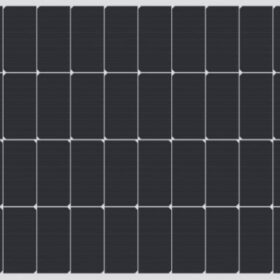
GoodWe releases 375 W BIPV panels with 17.4% efficiency
GoodWe will initially sell its new 375 W building-integrated PV (BIPV) modules in Australia and Europe. They measure 2,319 mm × 777 mm × 4 mm and weigh 11 kg.

Indonesian utility PLN seeks equity partners for large scale PV, wind projects
Indonesian state-owned utility PLN is seeking expressions of interest for several ground-mounted, floating solar projects and wind farms. The call includes an invitation to set up solar module factories in Indonesia to meet domestic content requirements.
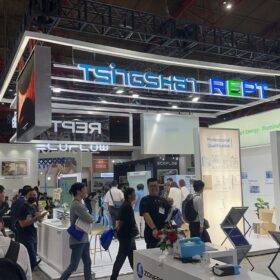
Key takeaways from Solartech Indonesia 2023
The Jakarta-hosted Solartech tradeshow showed the Indonesian renewable energy landscape’s potential, despite the small size of its solar market.
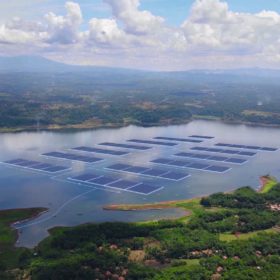
Weekend read: Floating the solar dream
Indonesia is a coal-dependent country in which conventional power grids are problematic. The archipelagic nation is turning to floating PV (FPV) to help accelerate its energy transition. Sorta Caroline takes a look at the state of play for water-borne solar and the problems that still need to be overcome.
PV product prices resume downward trend, says TrendForce
TrendForce says polysilicon will be 3.2% cheaper in March than in February. This will lead to lower wafer, cell and module prices and will effectively spur installation demand.

Philippines launches tender for 25 MW solar plant
The Bases Conversion and Development Authority (BCDA) of the Philippines is seeking proposals for the lease of a 37-hectare area for solar deployment in Tarlac province.
Australia singled out as key investment market for Asian majors
Executives from Gentari, the clean energy subsidiary of Malaysia’s state-owned oil company Petronas, and Japan’s biggest steelmaker, Nippon Steel, are eying Australia for future investments in renewables projects and green-steel manufacturing.
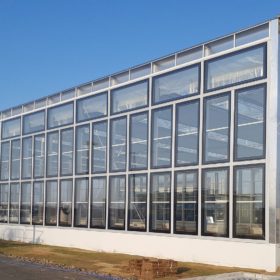
ClearVue secures chance to test solar window tech in Hong Kong
Western Australian solar window company ClearVue Technologies has won a tender to complete a study of its electricity generating glazing technology, which will be installed at a Hong Kong government department’s headquarters as part of a fully-funded field trial.