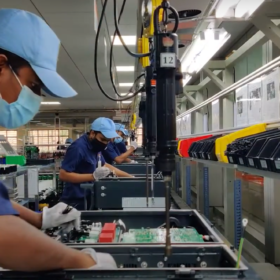
Sungrow mulling another new inverter factory outside of China
Sungrow told pv magazine at the recent Intersolar South America event in Sao Paulo that its cumulative delivered capacity in Latin America now stands at 9 GW, with 6 GW of the total delivered to Brazil alone.
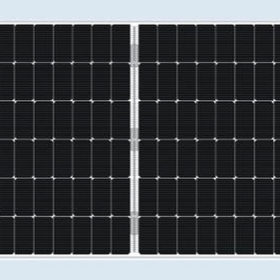
Yingli unveils n-type TOPCon solar panel with 22.0% efficiency
Yingli’s 156-cell Panda 3.0 PRO module has a temperature coefficient of -0.30% per degree Celsius and is available in wattages ranging from 590 W to 615 W, with a bifaciality of more than 90%.
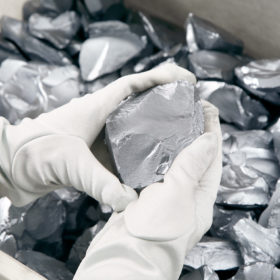
Polysilicon price relief in 2023 as industry scales to 500 GW
Clean Energy Associates says solar wafer pricing will fall by 23% by the end of 2023, while BloombergNEF sees 500 GW of manufacturing capacity online by the end of next year.
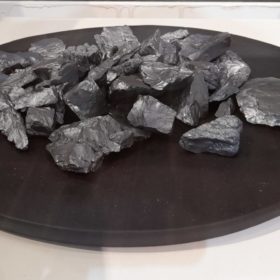
Polysilicon price reaches new high at $66/kg, government takes action
Average polysilicon prices hit CNY 312 (AU$65.8)/kg this week, according to an industry association in China. The nation’s Ministry of Industry and Information Technology, the State Administration for Market Regulation, and the National Energy Administration have also asked regional authorities to take action to deal with the price increase.
Chinese power rationing affects solar module production
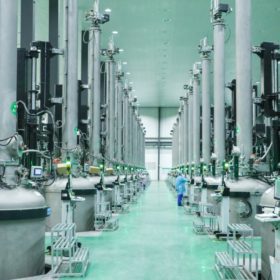
China installed 37.73 GW of solar in the first seven months of this year, according to official estimates. JinkoSolar said it is struggling to cope with power rationing in Sichuan province, while Shunfeng said it expects to record a hefty net loss for the first half.
Research team unveils high-efficiency coloured BIPV panels
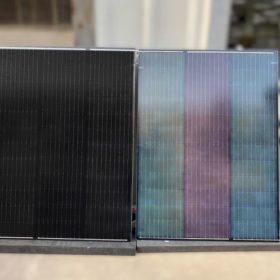
Researchers in China have reported a colourisation strategy for solar based on photonic glass. They created solar panels that took on blue, green, and purple hues, while only dropping the efficiency of power generation from 22.6% to 21.5%.
Record solar investment keeping Chinese economy afloat
Investments in renewables are hitting new highs in China, as recurrent Covid-19 outbreaks and a crisis-stricken housing market threaten the world’s second-biggest economy, according to BloombergNEF.
More than 3 GW of solar panels held by US customs under forced labor law
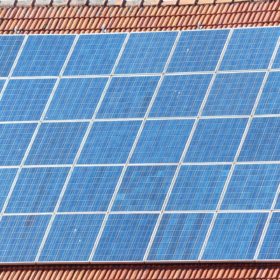
ROTH Capital Partners reports 3 GW have been seized under enforcement of the Uyghur Forced Labor Prevention Act.
China’s green finance market topped $4 billion in H1
Deutsche Bank has revealed that China’s green finance market surpassed CNY 20 trillion (AU$4.07 billion) in value in the first half of 2022. Haitai Solar has listed shares in Beijing, while Shangji has revealed plans for a new polysilicon project in Inner Mongolia.
Canadian Solar to build new Qinghai production base
Canadian Solar has announced plans to invest in a new solar production base in Qinghai province, while Boamax Technologies has revealed that it will build a new heterojunction solar cell and module factory in Anhui province.