Grid software solution could more than double network capacity for renewables with no new infrastructure
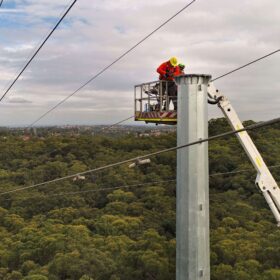
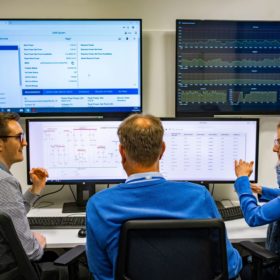
With Scottish company Smarter Grid Solutions having already seen its software deployed in the U.K., a pilot project in New York State has been a resounding success for a grid solution the NREL has predicted could unlock swathes of network capacity without the need for new power lines.
Grid stability and 100% renewables
New research from Stanford University professor Mark Jacobson seeks to remove any doubts about grid stability in a world powered entirely by renewable energy. The latest study models 100% wind water and solar powered grids across the United States, finding no risk of blackouts in any region and also broad benefits in cost reduction, job creation and land use.
Google lends a hand in the search for new solar cell designs with open-source tool
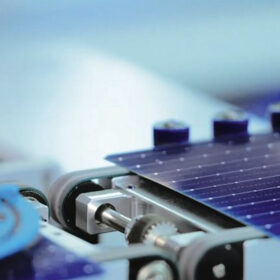
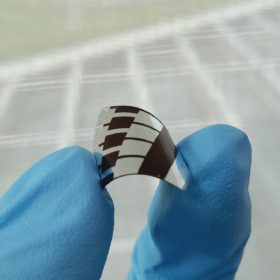
Scientists in the United States developed a computer simulator that can calculate the conversion efficiency of different solar cell materials and configurations – helping to guide research and optimisation of new cell designs. The simulator is available to researchers as an open-source tool to save time and spot the best opportunities for optimisation of any given approach.
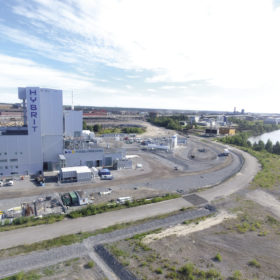
Sunday read: Making cheaper H2
The hype surrounding green hydrogen is real, but does the cost-reduction outlook for its production technologies live up to it? Christian Roselund looks at the technology, transportation, application and enabling policies behind the promising green energy carrier.
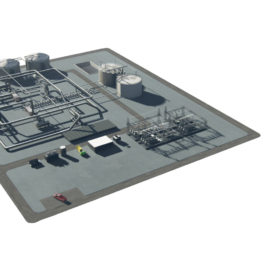
Partnership formed for molten salt long duration energy storage
Malta announced a partnership with Betchel to deploy electro-thermal energy storage systems that are capable of durations of 10-150+ hours.
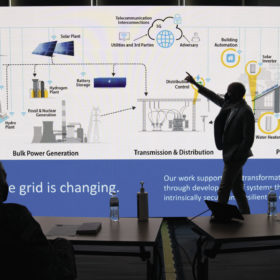
Sunday read: New consensus in cybersecurity
As power systems integrate more digital and inverter-based devices, the guidelines and technical standards for these resources are evolving, and none as quickly and urgently as cybersecurity standards. New approaches to cyber defence are now needed to protect more interconnected systems with diverse owners, manufacturers, and system architectures. However, current cybersecurity standards for energy devices are still patchy. Upcoming efforts are aimed at changing that, reports NREL’s Connor O’Neil.
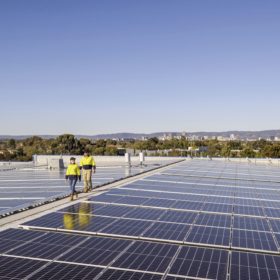
C&I developers attracts backing from investment giant
Melbourne-based company Green Peak Energy has attracted the backing of one of the world’s largest investment firms, CBRE Investment Management. While deal’s details remain confidential, the Australian company, which focuses on operating renewable systems in the C&I segment and providing power purchasing agreements (PPAs), described the agreement as an endorsement of the problem it set out to solve.
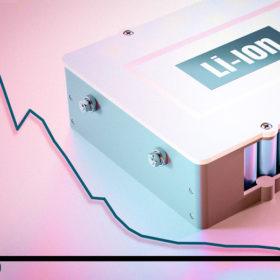
Behind the price drops in lithium-ion batteries
Scientists in the United States pieced together data from hundreds of different sources, looking to establish the key factors that have led to consistently falling prices for lithium-ion technology since their commercialisation thirty years ago. They find that public-funded research, primarily in chemistry and materials science, has made the largest contribution to cost reduction. And they offer suggestions on policy and investment to ensure that the research can continue to make these important contributions to reduction in battery costs.

Phase-change material tech to store thermal energy, solar electricity in buildings
NREL scientists have unveiled a storage system based on a phase-change material that can store both thermal energy and electricity in a single device. According to the researchers, the new technology may be used to store excess electricity produced by on-site solar or wind operations in large scale buildings.
Sunday read: Forecast and prosper
At the risk of stating the obvious, PV performance will always be inextricably linked to the weather. Cloud cover significantly influences power output and severe weather events – including high winds, heavy snowfall, fire, and hail – can lead to module or structural damage. And with climate change making extreme weather events more common, the value of forecasting and understanding the worst Mother Nature can throw at a solar array is increasing.