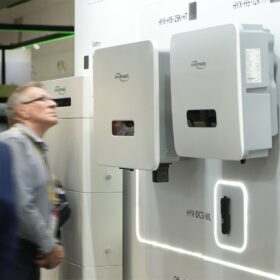
HYXiPOWER showcases next-generation ESS and solar solutions at All Energy
Chinese clean energy technology company HYXiPOWER debuted its next generation all-in-one energy storage system in Australia during the All Energy exhibition and conference in Melbourne.

BLUETTI’s EP760 ESS targets Australia’s growing solar homes market
The single-phase, modular solution combines reliability with flexibility, offering households scalable storage and access to the country’s new Cheaper Home Batteries Program.
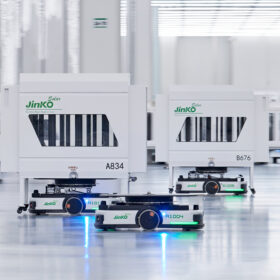
Jinko exceeds 1 GW milestone in Australian distribution market
JinkoSolar has achieved an historic milestone by becoming the first company to exceed 1GW in distribution shipments in Australia for 2024 on the back of its popular Tiger Neo modules.
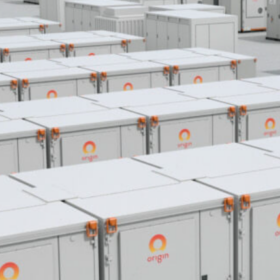
Build starts on 240 MW second stage of Origin Energy’s Eraring battery project
Construction of the second stage 240 MW battery at Origin Energy’s Eraring Power Station located 120 kilometres north of Sydney and 40 kilometres south of Newcastle in New South Wales, has officially begun.

Breakthrough EV battery testing improves stability and performance
South Korean Advanced Institute of Science and Technology has developed technology for the precise diagnosis of electric vehicle batteries using small currents that can improve the stability and performance of high-capacity batteries.
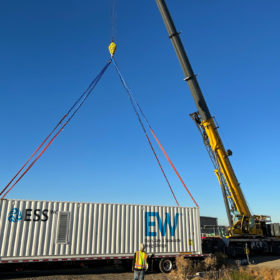
Iron flow battery tech shows promise for mid-duration energy storage
The ESS battery systems have a prescribed design life of 25 years, but the battery modules, electrolyte, plumbing, and other components may well last for decades longer with proper maintenance.
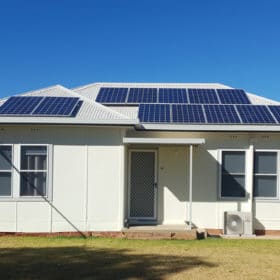
Australia’s energy storage installed base to grow more than five times by 2030
In its latest report, IHS Markit predicts that energy storage installations in Australia will grow from 500 MW to more than 12.8 GW by 2030. Today, Australia makes up less than 3% of total global installations for battery energy storage and is the seventh largest market globally. By 2030, it is forecast to comprise 7% of global installations and become the third largest market. This growth will be largely driven by three distinct market segments: residential, standalone front-of-the-meter, and collocated with utility-scale renewables.
Rooftop PV set to shine in WA’s energy future despite growing gas cloud
The Western Australian Government’s Energy Transformation Taskforce has revealed its first blueprint for the isolated state’s energy system transformation over the next two decades. The blueprint, which features four separate models, sees rooftop solar and accompanying battery storage excel in the coming years, although it suggests coal-fired power will still have a large presence.