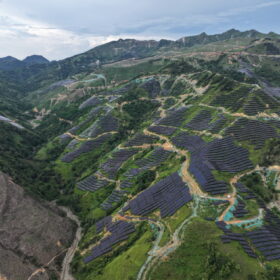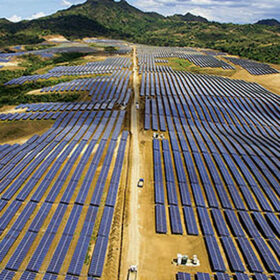
Philippines allocates 1.97 GW of PV capacity in renewables auction
Through the procurement exercise, the GEA-BEAC allocated 1,870.8 MW of ground-mounted PV capacity and 90 MW of floating solar power. The selected developers will secure 20-year power purchase agreements.
ARENA pushes for step change in solar cost and efficiency
The Australian Renewable Energy Agency says solar technology is mature enough and sufficiently cost effective to meet Australia’s 2030 renewables goals but a step change in efficiency and cost is required to support the decarbonisation of hard-to-abate sectors such as industry and transport.
Green light for two new big batteries in NSW
The New South Wales government has provided planning approvals for two new grid-scale batteries that will deliver a combined 540 MWh of energy storage capacity to support the state’s rapidly changing energy market.
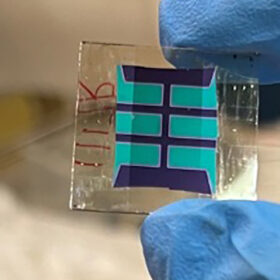
NREL develops perovskite solar cells with 93% bifaciality
A research team at the U.S. Department of Energy’s National Renewable Energy Laboratory has made highly bifacial perovskite cells with a front-side efficiency of 23%.
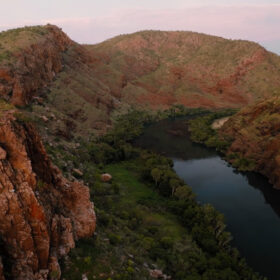
900 MW solar farm planned for Kimberly green hydrogen project
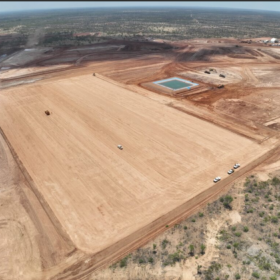
Traditional owners in Western Australia’s East Kimberley region will partner with investment and advisory firm Pollination to develop what would be Australia’s largest solar farm as part of plans to build a giga-scale green hydrogen and ammonia project in the country’s northwest.
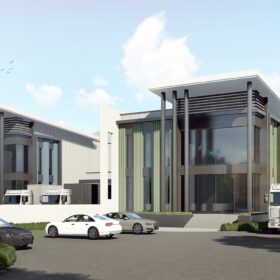
St Baker to build 1.2 GWh battery plant in Philippines
The founder and deputy chair of Australian-based investment firm St Baker Energy Innovation Fund plans to establish a lithium-ion phosphate battery manufacturing plant in the Philippines with annual production capacity of 1.2 GWh by the end of the decade.
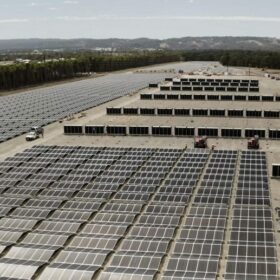
Modular solar tech delivers international award for Australia’s 5B
Australian modular PV array manufacturer 5B’s preassembled and relocatable modular solar technology has been awarded international honours with the United States-based World Future Awards panel naming it the best solar solution in its clean tech category.
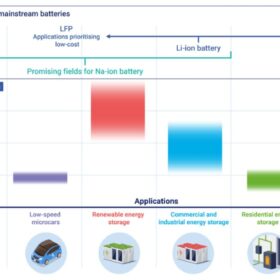
Sodium-ion battery fleet to grow to 10 GWh by 2025
Global demand for sodium-ion batteries is expected to grow to just under 70 GWh in 2033, from 10 GWh in 2025, at a compound annual growth rate (CAGR) of 27%, according to UK-based market research company IDTechEx.
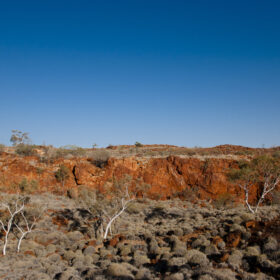
Traditional owners team with ACEN to target 3 GW of renewables
The traditional owners of Yindjibarndi lands in Western Australia have struck a deal with Philippines-based energy giant ACEN Corporation to develop more than 3 GW of wind, solar and battery storage in the state’s Pilbara region.
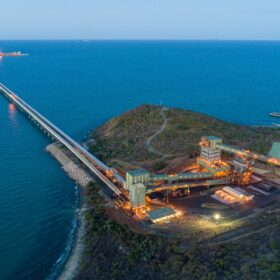
Korean giants advance Queensland hydrogen plan
The consortium partners behind an export-scale green hydrogen and ammonia production facility planned for north Queensland will advance the mega project from concept to feasibility stage after signing a formal heads of agreement.