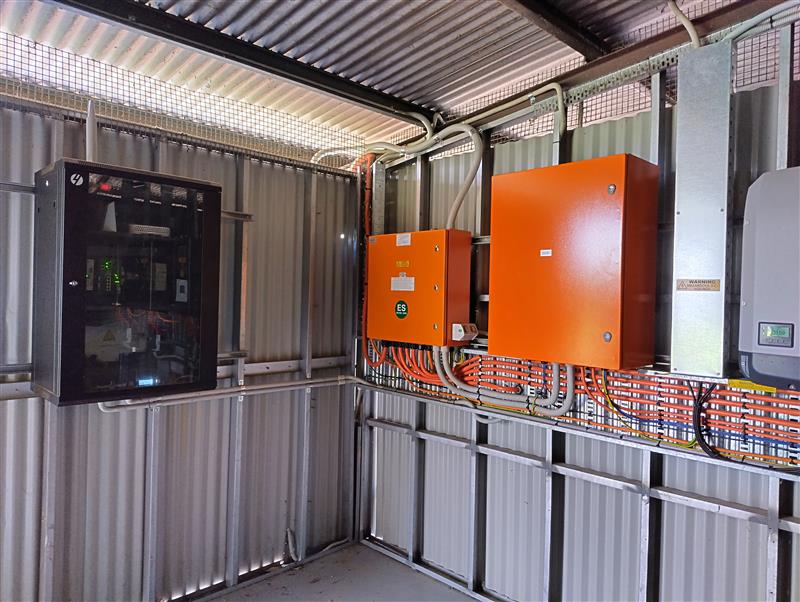





Regional energy provider Horizon Power is delivering standalone power systems featuring solar PV and battery energy storage to some of Western Australia’s (WA) most remote Aboriginal communities after the state government committed $27 million (USD 17.9 million) to support the rollout of renewable energy solutions.
The funding will support Horizon’s ReGen program and enable it to deliver 13 standalone power systems (SPS) in remote communities and undertake the planning and early-stage procurement activities for upgrades in a further eight communities.
Horizon’s Acting Chief Executive Officer Krystal Skinner said the initiative will not only enhance energy reliability but also empower communities to shape their energy future.
“[The program] will deliver safer, more reliable, and cleaner energy solutions to remote Aboriginal communities across Western Australia,” she said, adding that Horizon is committed to “ensuring equitable access to clean energy and creating meaningful opportunities for Aboriginal engagement and local industry participation.”
Cockatoo Springs, about 30 kilometres south of Kununurra in far north WA near the Northern Territory border, is one of two communities where Horizon has already delivered renewable upgrades as part of the initiative.
The new-look SPS includes 20 kW of solar generation capacity and a 100 kWh battery energy storage system. The system also includes a diesel generator for back-up.
Horizon said since the upgrades were completed in July, renewable energy has provided 63% of the Cockatoo Springs community’s power needs while diesel consumption is expected to be slashed by about 35,000 litres annually.
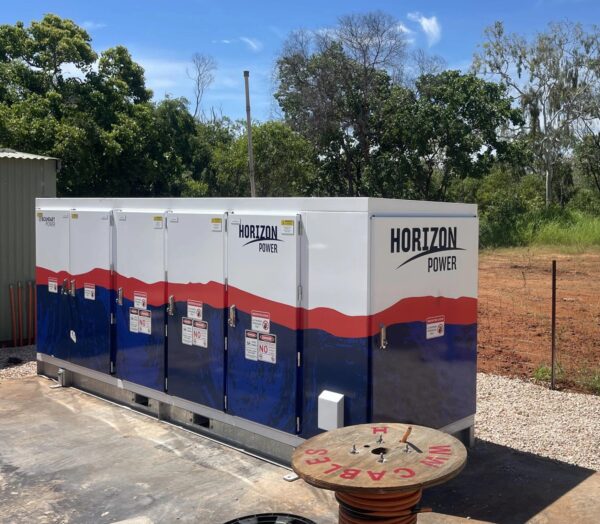
Image: Horizon Power
In Chile Creek, about 180 km north of Broome on the Dampier Peninsula, a new SPS including 16 kW of solar PV, a 50 kWh battery energy storage system has been installed. The system also includes a 30 kW diesel generator.
Since the SPS was switched on in February, it has delivered about 46% of the community’s power needs, with an average load of 6.7 kW. Horizon said it expects this renewable energy penetration will increase substantially during the dry season when the load decreases. Diesel consumption has been reduced by an estimated 15,000 litres annually.
Horizon said the next five communities to receive SPS based on solar energy and battery storage have been identified, with the rollout due to start next year. They include Embulgun, Kandiwal and Four Mile in the state’s Kimberley region and Marta Marta and Weymel in the Pilbara.
Upgrades to the other eight communities are subject to ongoing consultation with the communities and are planned to be delivered in the second half of 2026.
WA Energy Minister Amber-Jade Sanderson said the investment demonstrates the state government’s commitment to ensuring the renewable energy transition is available for all Western Australians.
“As this renewables program expands, we will be another step closer to providing safer, more reliable, and equitable power solutions for First Nations people across Western Australia,” she said.
State government-owned Horizon assumed responsibility for the power supply needs of 117 remote communities from the Department of Communities in mid-2023.
This content is protected by copyright and may not be reused. If you want to cooperate with us and would like to reuse some of our content, please contact: editors@pv-magazine.com.





By submitting this form you agree to pv magazine using your data for the purposes of publishing your comment.
Your personal data will only be disclosed or otherwise transmitted to third parties for the purposes of spam filtering or if this is necessary for technical maintenance of the website. Any other transfer to third parties will not take place unless this is justified on the basis of applicable data protection regulations or if pv magazine is legally obliged to do so.
You may revoke this consent at any time with effect for the future, in which case your personal data will be deleted immediately. Otherwise, your data will be deleted if pv magazine has processed your request or the purpose of data storage is fulfilled.
Further information on data privacy can be found in our Data Protection Policy.