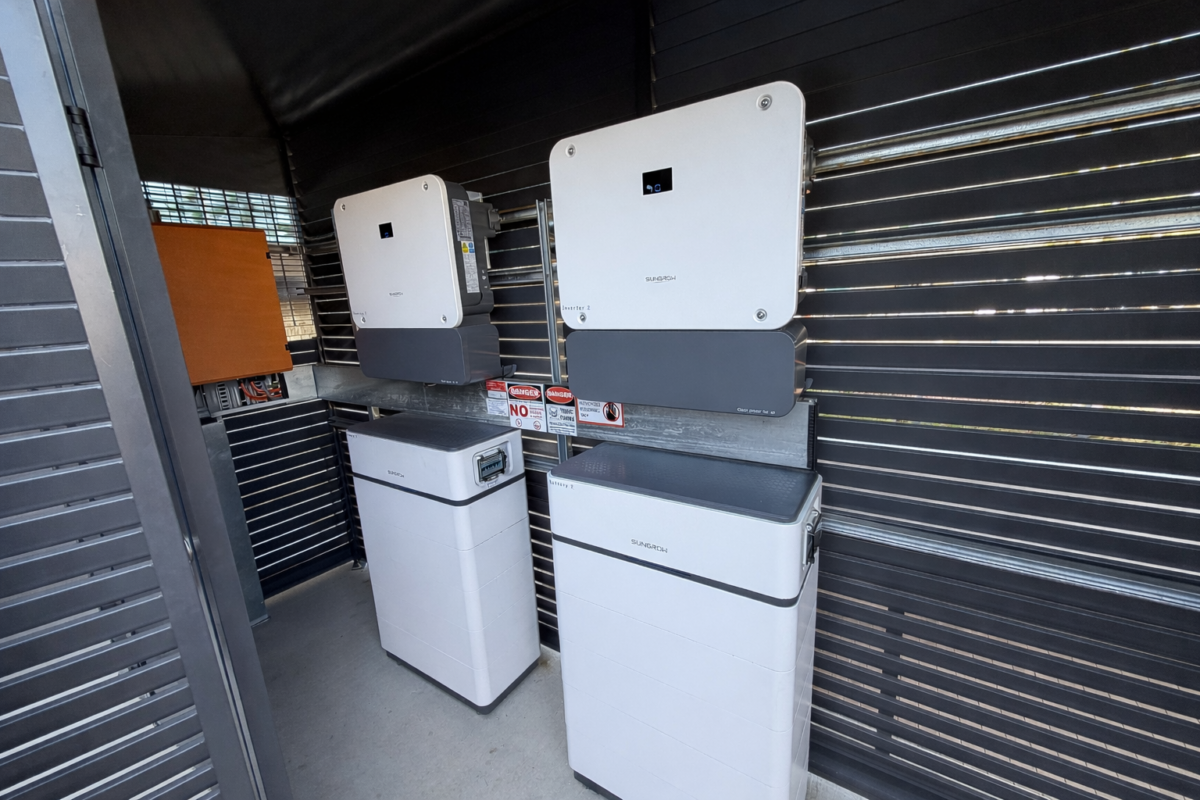





University of New South Wales (UNSW) research into an artificial intelligence (AI)-enabled energy management system (EMS), and virtual power plant (VPP) is underway, in collaboration with China-headquartered solar inverter and energy storage system provider Sungrow Australia and project owner, Dubbo Regional Council (DRC).
Located in the Central-West Orana Renewable Energy Zone (CWO REZ), 391 kilometres northwest of Sydney, the project provides a dedicated product and system platform for the UNSW Energy Team to test, validate and industrialise next-generation EMS and VPP algorithms.
Researchers hope the system is at technology readiness level (TRL) 7-8, and ready for commercialisation by the end of 2026. Future enhancements will include electric vehicle (EV) integration, National Electricity Market (NEM) trading capabilities, and backup power functionality.
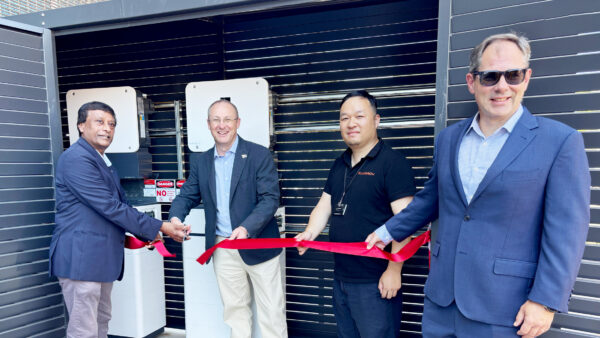
Sungrow
Begun in Q1 2025 and installed by local Sungrow delivery partner Diverse Electrical supported by distributor Solar Juice, the solution consists of two Sungrow SH15T/SBH300 hybrid energy storage systems coordinated through a Logger1000, AC-coupled to the building’s existing solar installation.
UNSW’s EMS controls the system which supports advanced capabilities such as load monitoring, demand-side management, and predictive energy optimisation based on weather and occupancy data.
UNSW Project Leader Scientia Professor Deo Prasad said the project brings together new technologies to enable full integration of building energy systems.
“The system incorporates AI-enabled modules that analyse data from weather stations to identify heatwaves and other peak events,” Prasad said.
“This allows dynamic energy management through load monitoring and battery operation, enabling energy systems to plan usage in advance.”
“Changes in building occupancy and operating hours can also be detected and managed. Dubbo, as a leading regional city, is the first to deploy this technology in a full-scale application,” Prasad said.
UNSW Project Manager Huadong Mo said the system’s ability to dynamically adjust energy usage based on real-time conditions will revolutionise the way buildings interact with energy.
“It’s a step toward smarter, more sustainable urban infrastructure,” Mo said.
The system will also be able to pre-cool buildings during heatwaves using solar energy to alleviate strain on the grid and anticipating a building’s energy needs using AI-driven forecasting to adjust consumption accordingly is also being explored.
DRC Mayor Josh Black said the system will allow the council to save money directly for our community.
“Financial sustainability is one of the areas we are very focused on at the moment, and a real challenge for Councils right now, and this project will allow us to reduce our operating costs, which in turn reduces the costs for our community,” Black said.
Sungrow’s Commercial & Industrial (C&I) teams and UNSW are also progressing additional projects under the Australian Department of Education Trailblazer for Recycling and Clean Energy TRaCE initiative, which supports energy transition research into scalable, real-world solutions.
This content is protected by copyright and may not be reused. If you want to cooperate with us and would like to reuse some of our content, please contact: editors@pv-magazine.com.



2 comments
By submitting this form you agree to pv magazine using your data for the purposes of publishing your comment.
Your personal data will only be disclosed or otherwise transmitted to third parties for the purposes of spam filtering or if this is necessary for technical maintenance of the website. Any other transfer to third parties will not take place unless this is justified on the basis of applicable data protection regulations or if pv magazine is legally obliged to do so.
You may revoke this consent at any time with effect for the future, in which case your personal data will be deleted immediately. Otherwise, your data will be deleted if pv magazine has processed your request or the purpose of data storage is fulfilled.
Further information on data privacy can be found in our Data Protection Policy.