Redflow commissions 30 kWh flow battery for Brisbane Council
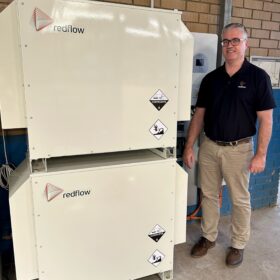
Queensland flow battery company, Redflow, has commissioned a 30 kWh zinc-bromine flow battery for the Brisbane City Council.
Minister provides stamp of approval for VNI West powerline plan
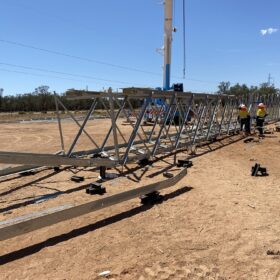
The Victorian government has signed off on a preferred development plan for the contentious VNI West transmission project that will connect the Victorian and New South Wales electricity grids and promises to unlock upwards of 3.4 GW of new renewable generation capacity.
German manufacturer unveils 10 kWh residential redox flow battery
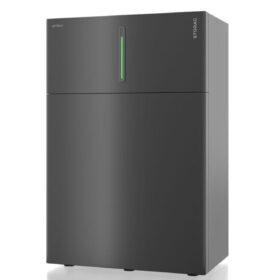
Prolux Solutions has developed a redox flow battery with a charging and discharging capacity of 4 kW and 5 kW of peak power. It is designed to be coupled with PV systems in homes with high consumption profiles.
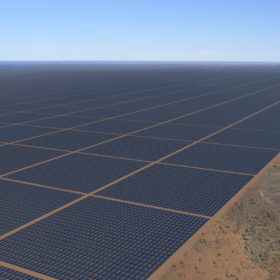
Cannon-Brookes, Quinbrook consortium secures Sun Cable
A consortium led by tech billionaire Mike Cannon-Brookes’ Grok Ventures and including green energy investment manager Quinbrook Infrastructure Partners has been successful in acquiring the giant $35 billion Sun Cable renewable energy project.
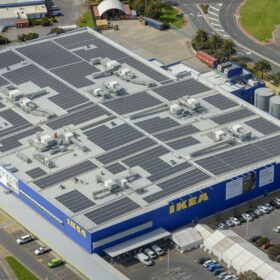
Epic Energy launches Australia’s largest commercial microgrid
Australia’s largest grid-connected urban microgrid has been officially commissioned with a new rooftop solar-powered system atop Swedish homewares giant Ikea’s Adelaide store already delivering more than 70% of the store’s energy needs and providing grid support for the South Australian network.
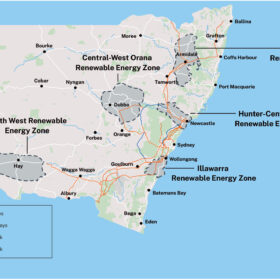
Widespread misreporting of NSW renewable energy zone cost ‘blowouts’ and delays
The numbers behind headlines of billion dollar cost blowouts and delays to New South Wales’ energy transformation appear foggy at best, with unexamined sources seemingly leading to widespread misreporting.
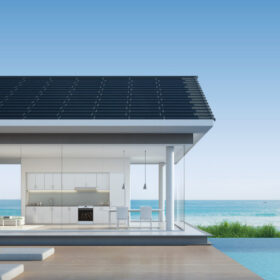
Goodwe Australia partner with BIPV specialist for new range including solar tile
GoodWe plans to bring a range of building integrated photovoltaics (BIPV) products to Australia, announcing a partnership with specialist Umax Energy. The manufacturer this month released the details of its lightweight new panel, and plans to introduce an integrated solar roof tile to the Australian market.
CIP plans 7 GW of electrolysis hub in Australia
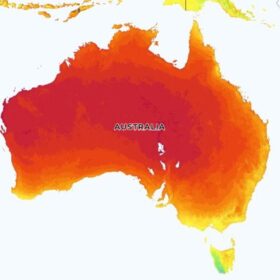
Copenhagen Infrastructure Partners (CIP) has announced plans to develop an $30 billion (USD 19,95 billion) green hydrogen production hub on South Australia’s Eyre Peninsula, while a new research study shows the feasibility of gas-to-hydrogen pipeline conversion in Western Australia.
School system delivers solar boost for Kimberly township
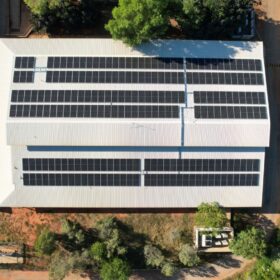
The rollout of rooftop solar in the coastal town of Broome in northern Western Australia has received a major boost with a 274.45 kW PV system installed at the local high school as the state government continues its push to deliver solar energy solutions for its remote and regional schools.
Community batteries are popular – but we have to make sure they actually help share power
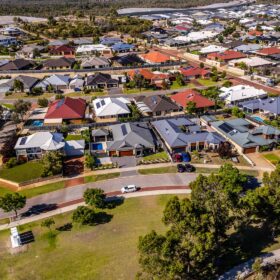
To power Australia without fossil fuels will mean using batteries to store power from solar and wind. We often think this means home batteries – or large grid-scale installations.