Electric vehicle fleets kick-start fund closes 29 May but has $2.2 million to go
The New South Wales government’s $5 million electric vehicle fleets incentive kick-start fund allocation still has $2.2 million in the coffers, with the application date to apply closing on 29 May 2026.
$1.5 million grant accelerates EV charger access for apartments
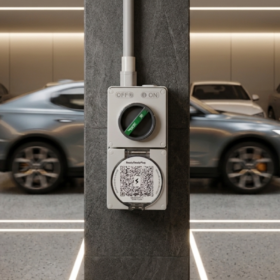
Electric vehicle charger designer ReadySteadyPlug has been awarded $1.5 million through ARENA’s Driving the Nation Program to help a rollout of its charging-as-a-service solution for residential apartments.
Manganese demonstration processing plant awarded $2 million ARENA grant
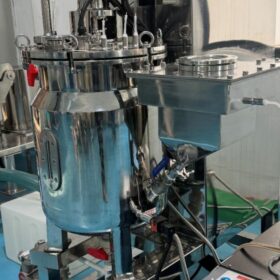
Western Australian Firebird Metals has been awarded $2 million through ARENA and the Battery Breakthrough Initiative to develop a demonstration-scale facility that processes manganese concentrate into cathode materials for batteries.
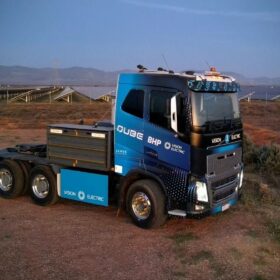
Heavy vehicle electrification conversion centre in South Australia, a no brainer
Janus Electric has launched its first dealer-led heavy vehicle electrification conversion centre in South Australia, enticed by the state’s high penetration of renewable energy in the grid.
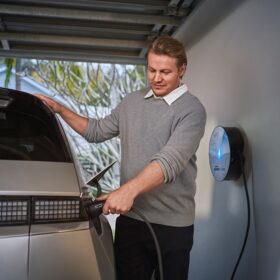
EVs with vehicle-to-home technology reduce need for large home batteries
Researchers from South and Western Australia have found electric vehicles equipped with vehicle-to-home technology can reduce the need for large home battery systems.
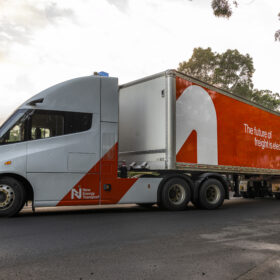
Trucking company says fully electric delivery ushers in new era for road freight
Trucking company New Energy Transport says electric road freight is possible now and already commercially viable in Australia after completing what it is calling the country’s first fully electric ‘end-to-end’ heavy road freight delivery.
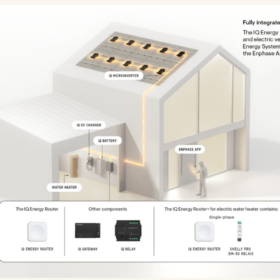
Enphase launches AI home energy management system
Enphase Energy has introduced to Australia and New Zealand an artificial intelligence software platform that helps homeowners reduce costs, up clean energy self-consumption and grant control of key home appliances.
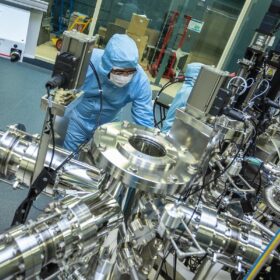
Researchers harness spooky potential of quantum battery storage
Scientists from three leading Australian research organisations have developed the first proof-of-concept quantum battery, demonstrating the potential for rapid, scalable charging and energy storage based on principles of ollective effects.
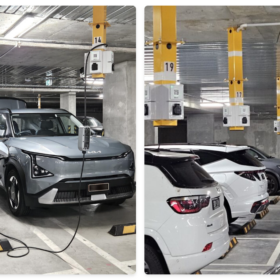
Strata building EV adoption project accelerates 251 apartment chargers
At a new apartment building complex in Melbourne, NOX Energy has installed 252 electric vehicle chargers for residents and commercial tenants as part of an ARENA strata building EV adoption program.
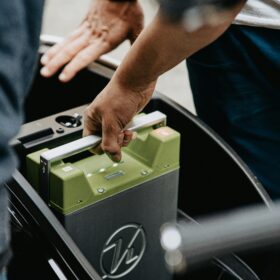
Modelling points to used batteries powering $6.9 billion industry
Australia’s battery materials recovery sector could contribute $6.9 billion to the national economy by 2050 as end-of-life lithium ion batteries surge from electric vehicles and energy storage, according to a new national industry profile.